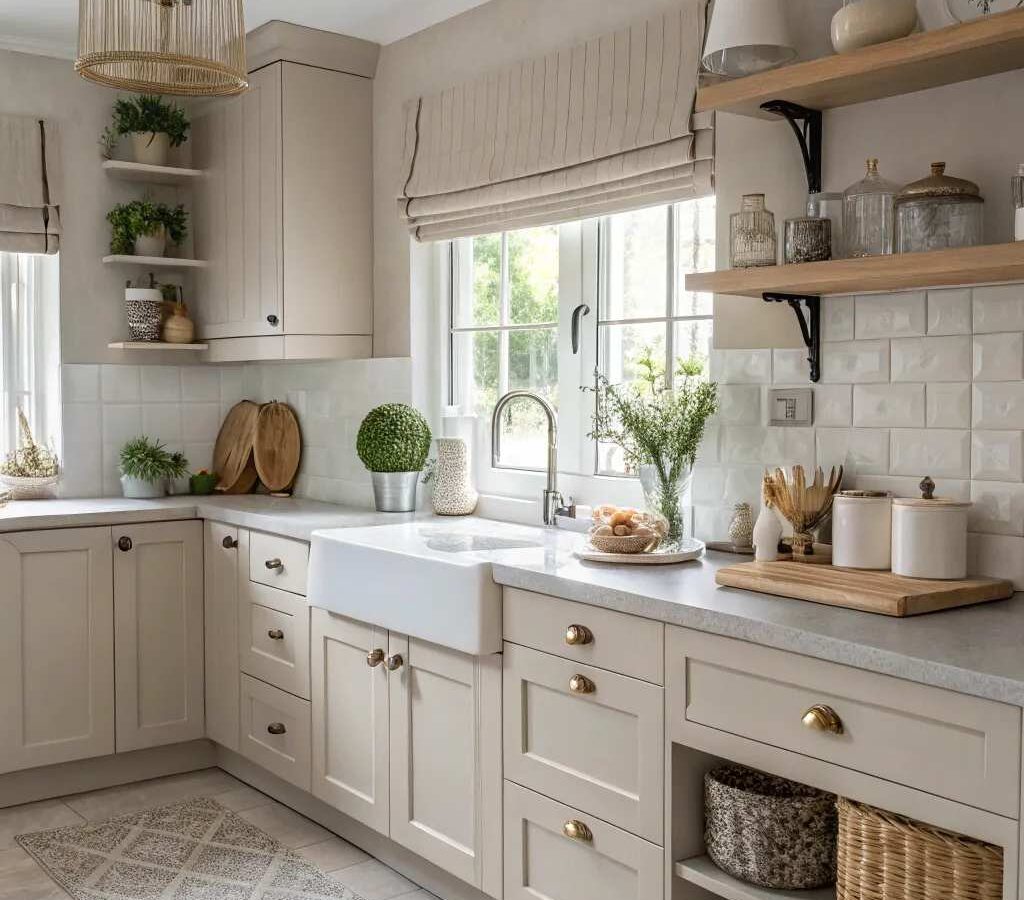
Within Japandi kitchens, a harmonious balance of simplicity and the organic beauty of nature converges to create a sense of profound tranquility. This distinctive design sensibility is born from the fusion of Japanese and Scandinavian aesthetics, resulting in spaces that not only serve functional purposes but also evoke a deep-seated feeling of serenity.
Exposed Shelving in Japandi Kitchens
Exposed shelving allows homeowners to showcase carefully curated items, thereby enhancing the minimalist ambiance of a Japandi kitchen. By doing so, the space becomes an open and airy environment that highlights treasured possessions.
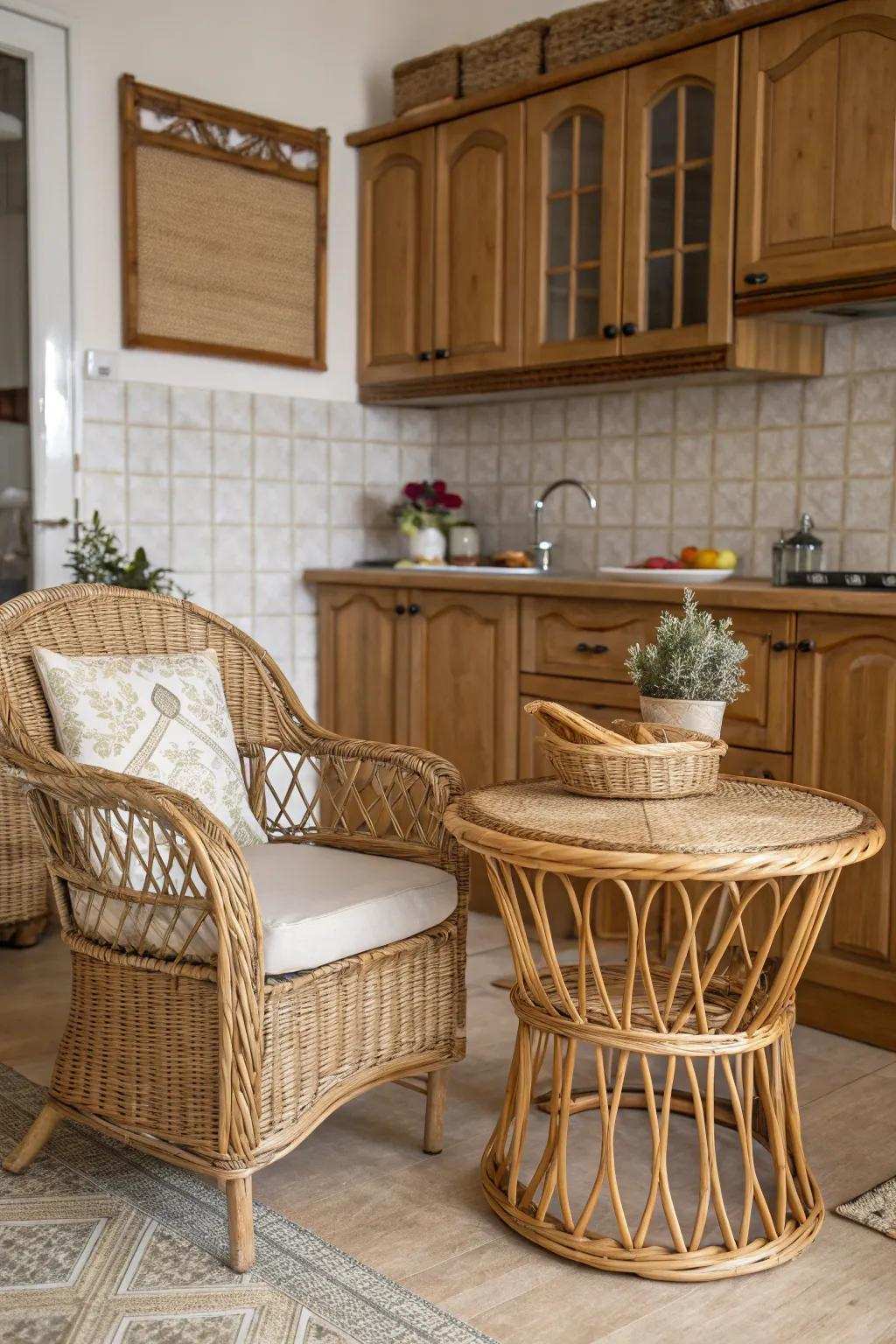
Incorporating Woven Furnishings
Woven furnishings bring a tactile element to the kitchen, offering a unique texture that adds to the overall sense of warmth. These materials can help create a cozy atmosphere, perfect for cultivating a snug kitchen space that invites relaxation.
Benefits of Uncomplicated Cupboards
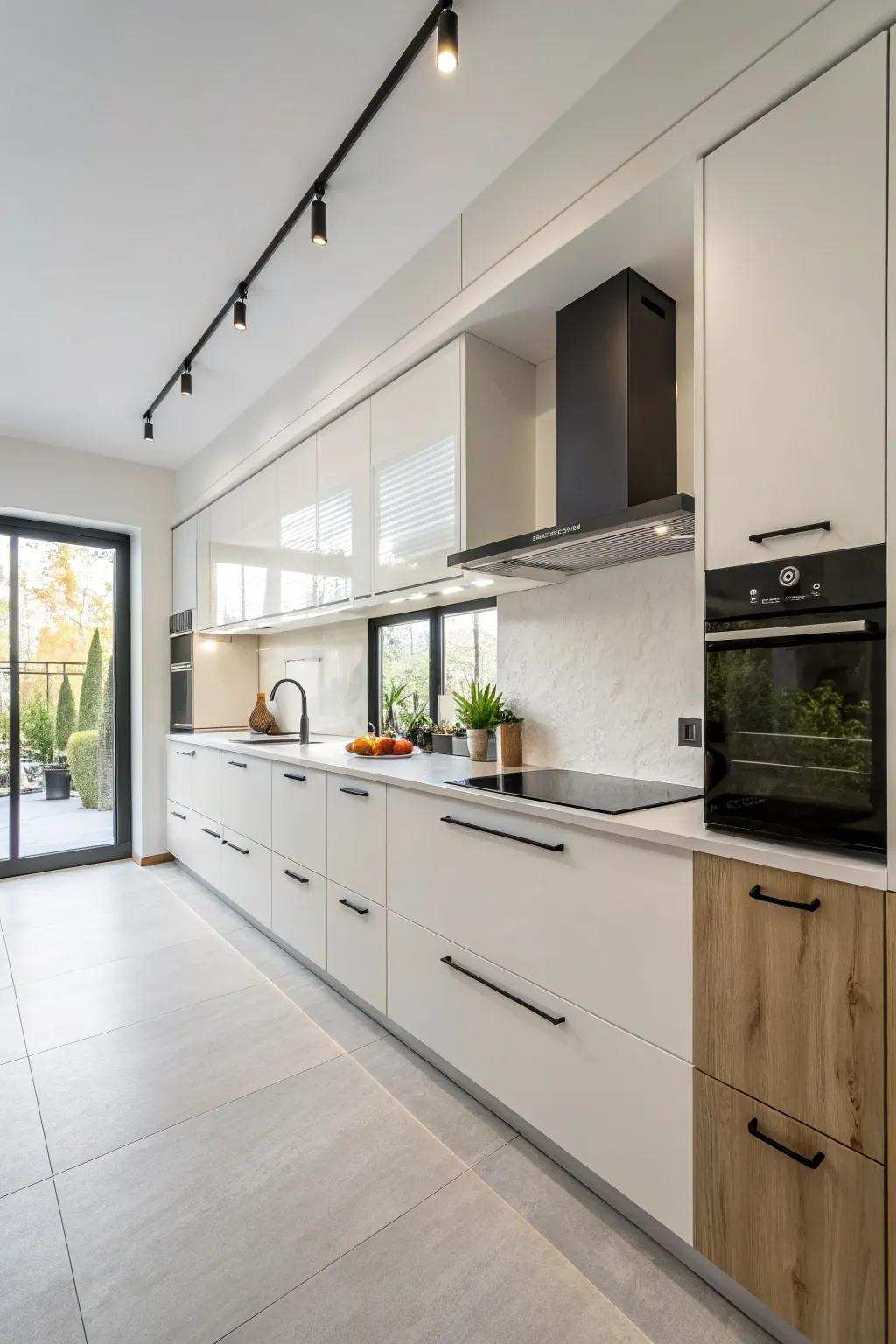
Uncomplicated cupboard designs with flat-panel doors contribute to a polished appearance, making them an ideal choice for Japandi kitchens. This design approach not only improves efficiency but also elevates the visual appeal of the space.
Cane Highlights in Japandi Design
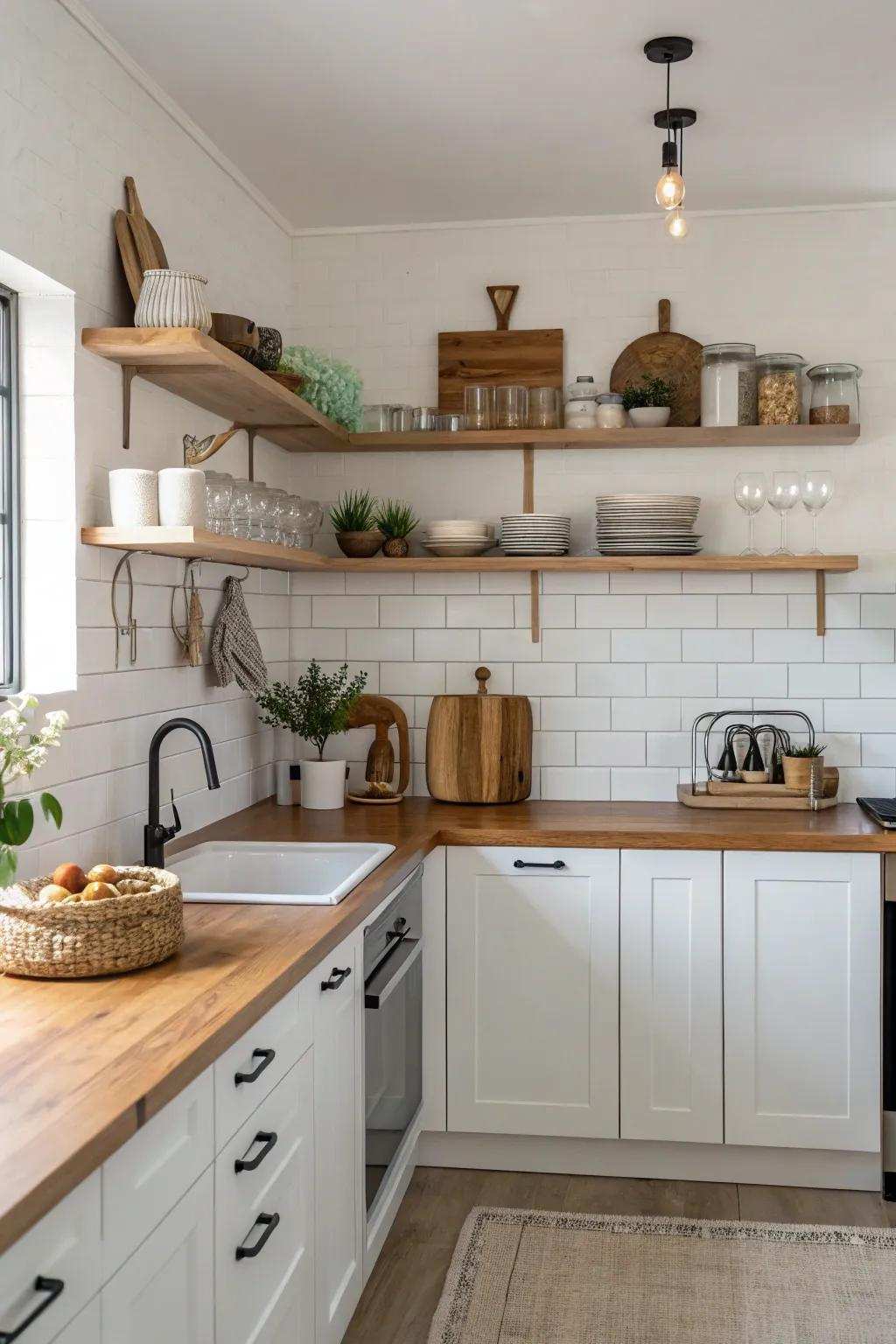
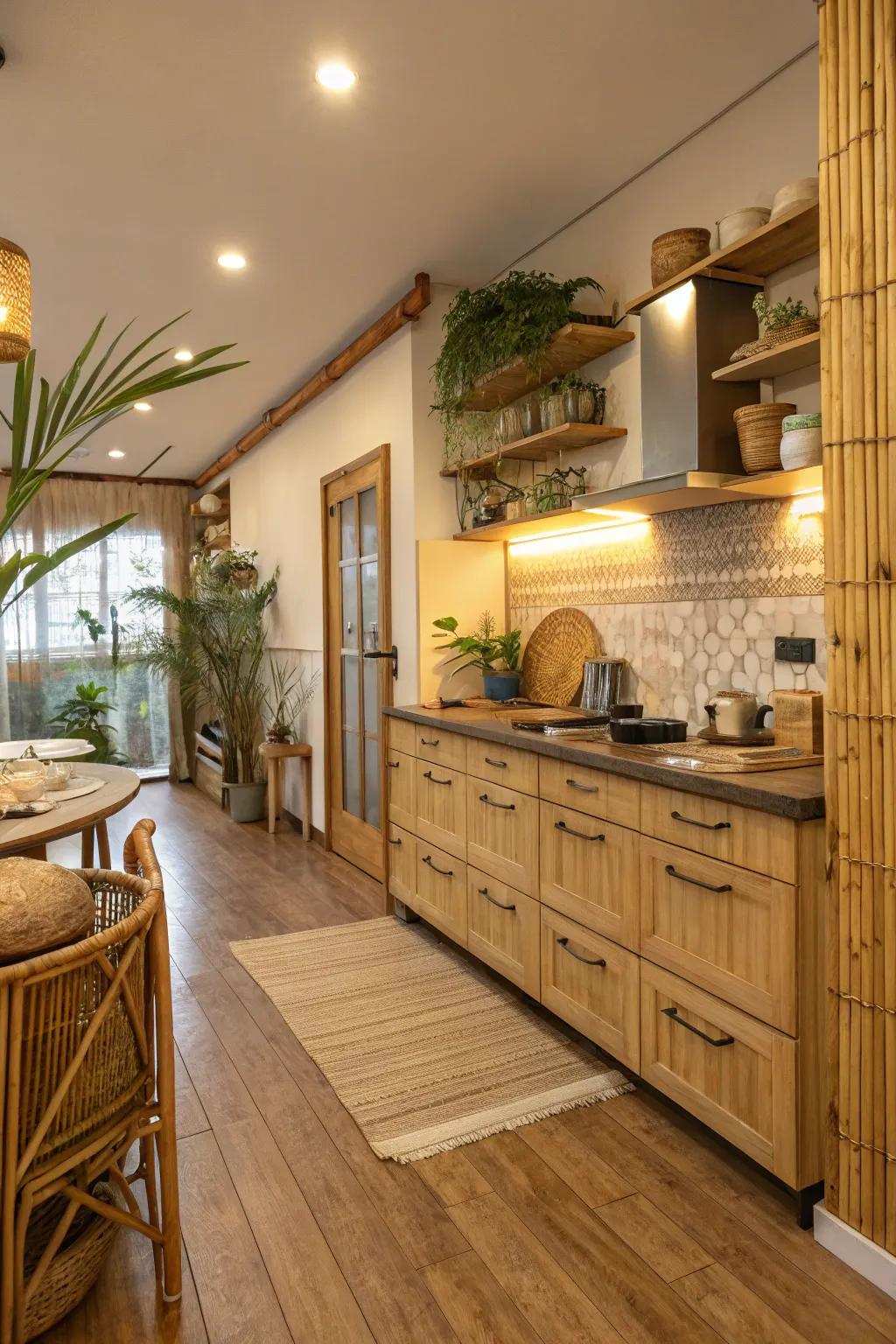
Cane highlights can be used to introduce warmth and promote sustainability in a Japandi kitchen. This material is prized for its environmentally friendly characteristics and natural beauty, making it a popular choice among homeowners who value eco-friendly design.
Maintaining Understated Decor
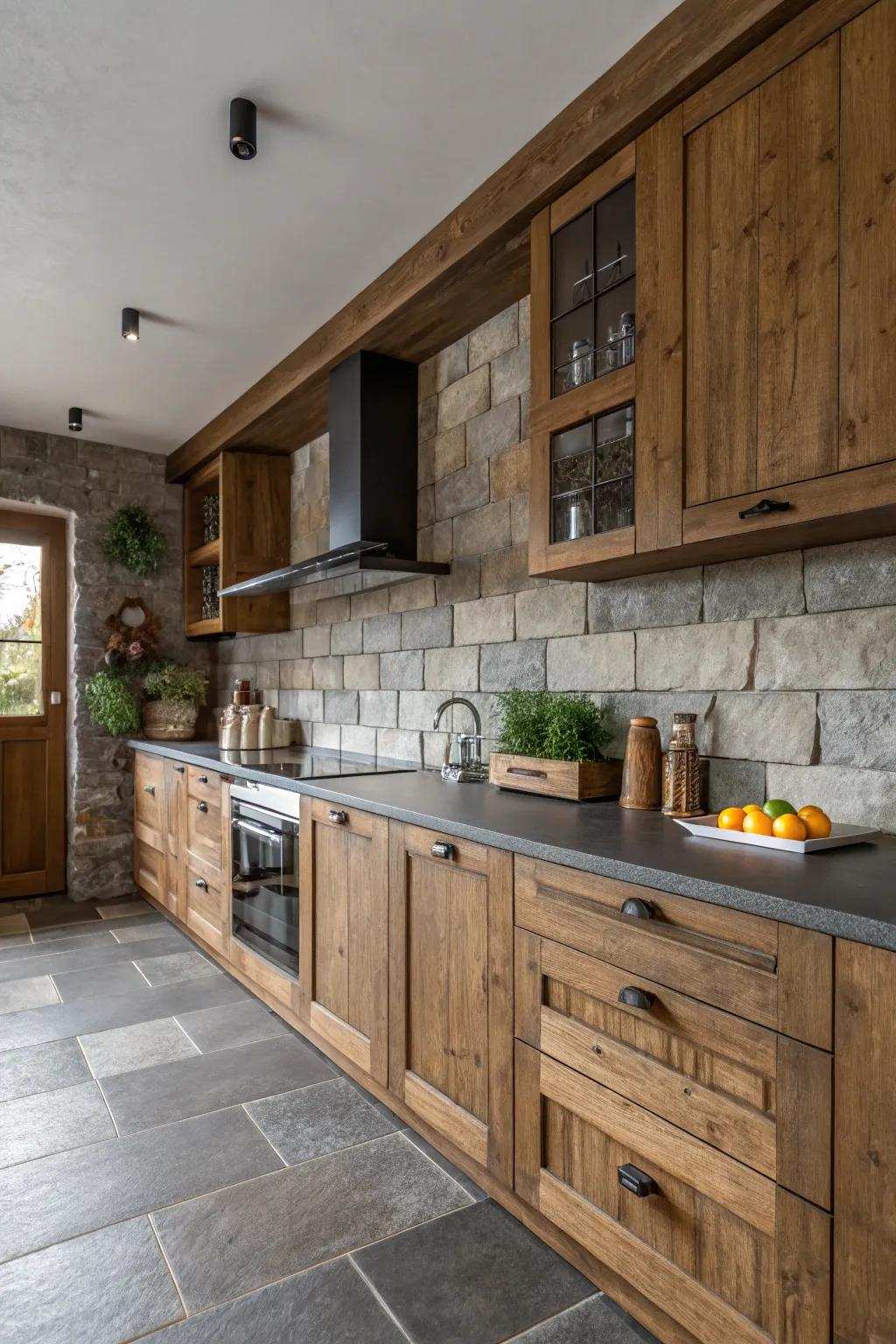
Minimalist kitchens benefit from understated decor, which amplifies the space’s simplicity. By choosing practical and visually appealing items, homeowners can preserve the tranquil ambiance of their kitchen and create a sense of calm.
Surface Texture Contrasts
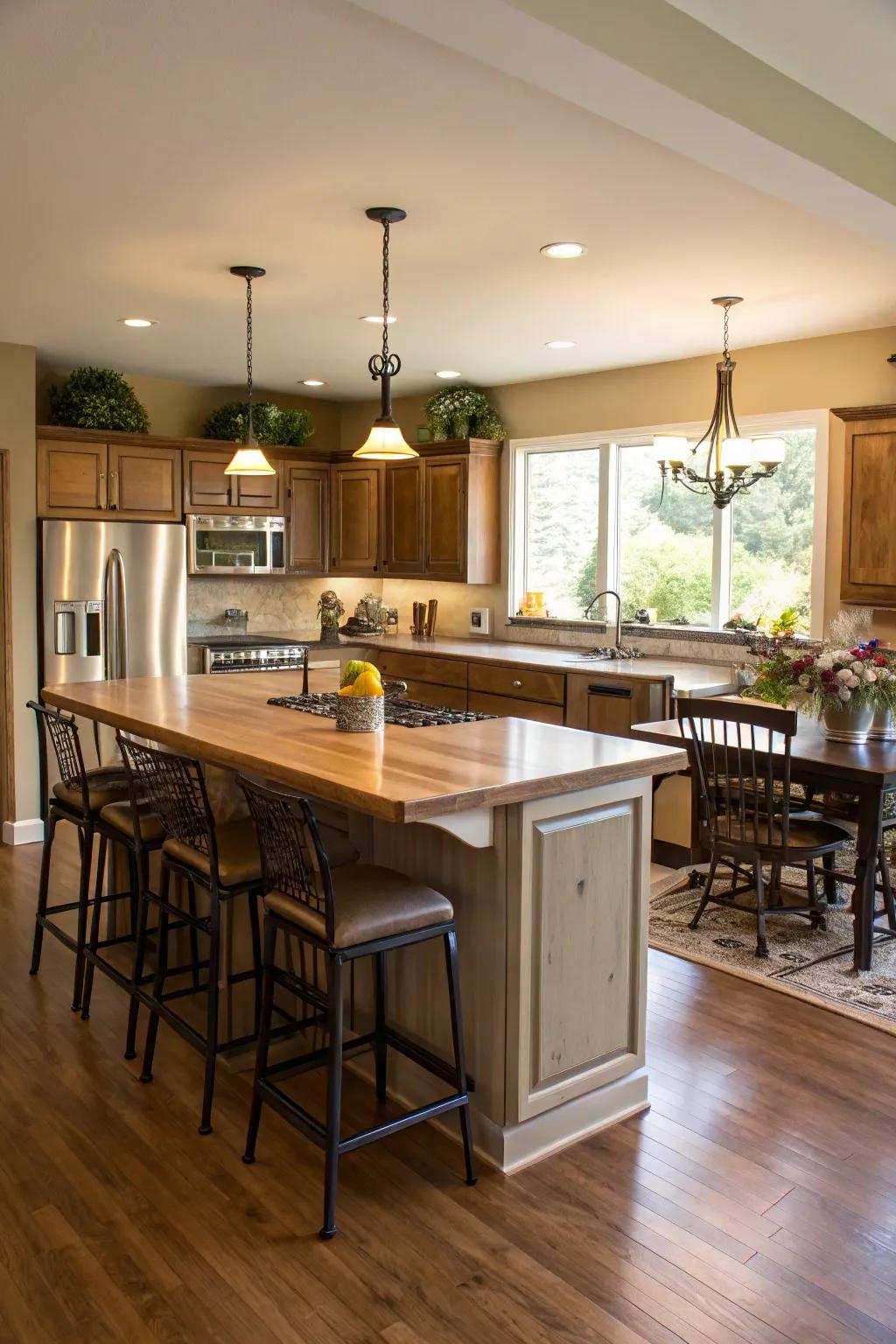
Combining smooth and coarse textures creates a surface dynamic that adds depth to the space. Japandi kitchen designers often experiment with diverse materials to evoke a tactile sensation that encourages exploration and discovery.
Unified Dining Spaces in Japandi Kitchens
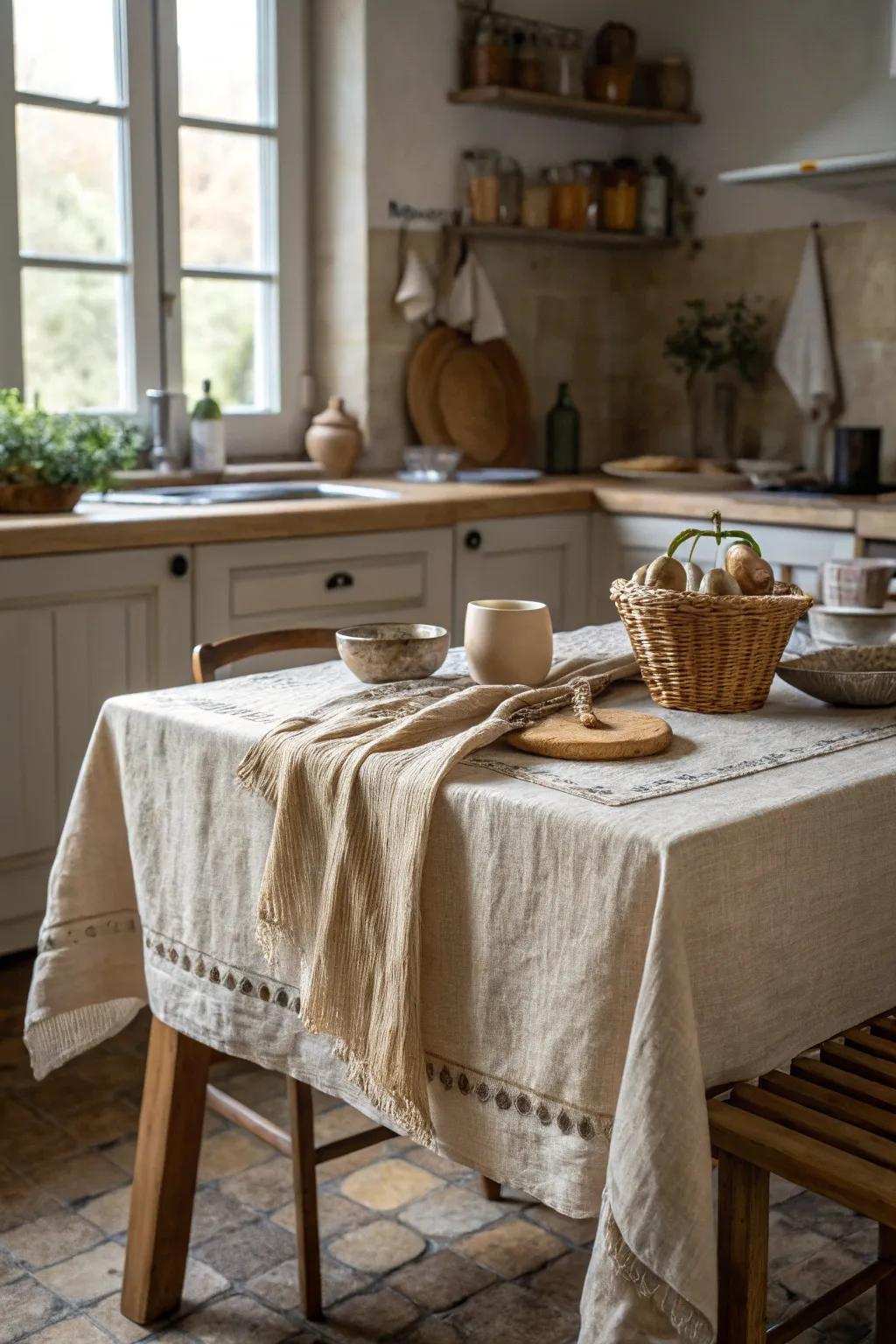
Counter stools can be used to establish a unified dining space that harmonizes with the kitchen’s aesthetic. This layout creates a shared area that fosters a sense of community and cohesion within the home.
The Role of Varied Weave Materials
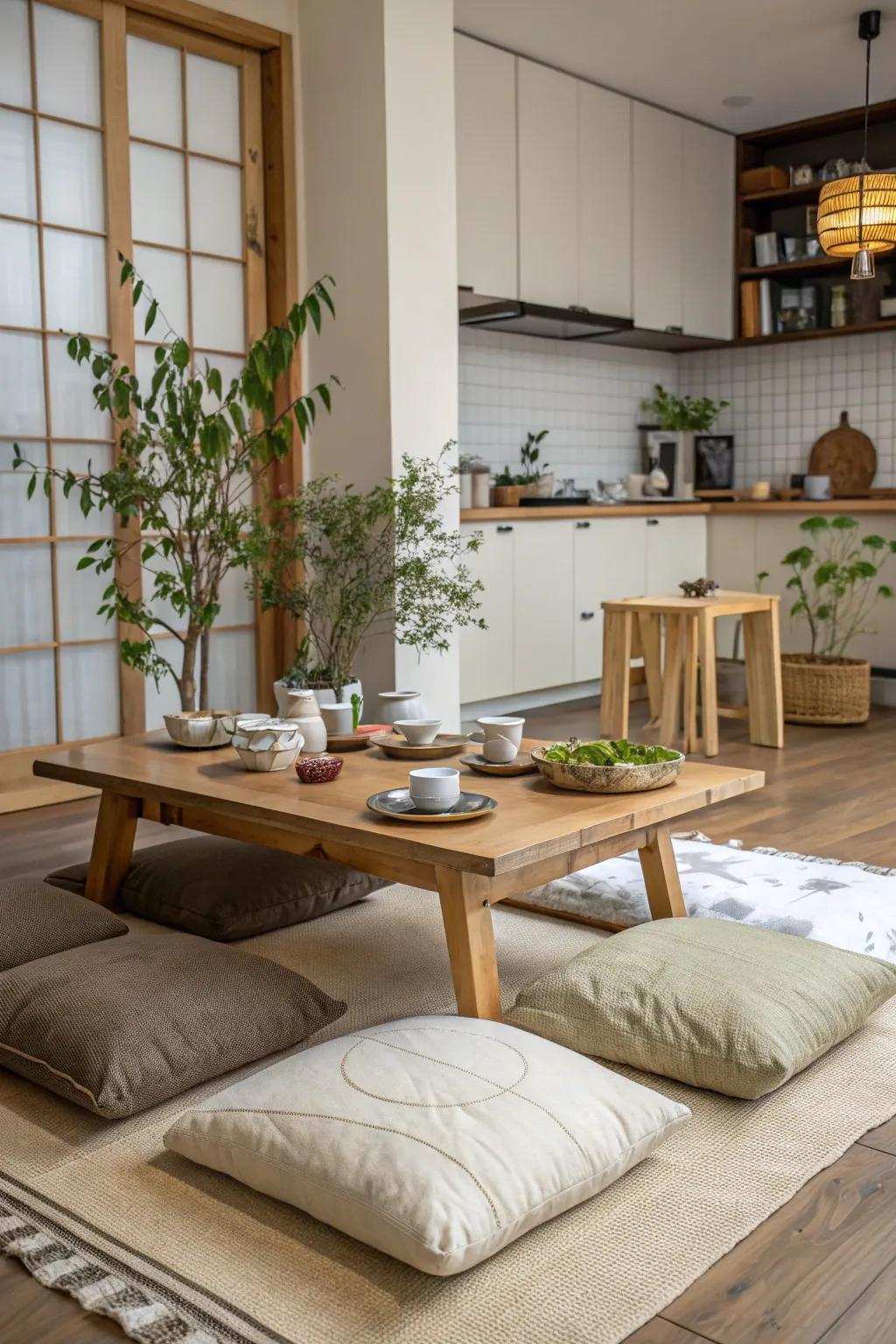
Varied weave materials, such as linen or cotton, introduce a natural element to the space and contribute to its overall comfort. These materials add a soft, warm touch to the kitchen, making it feel more inviting and relaxing.
Floor Pillows in Japandi Design
Floor pillows can be used to create a relaxed dining setting, drawing inspiration from traditional Japanese tea traditions. This seating choice imparts a sense of coziness and informality, making the space feel more welcoming.
Incorporating Traditional Lateral Entryways
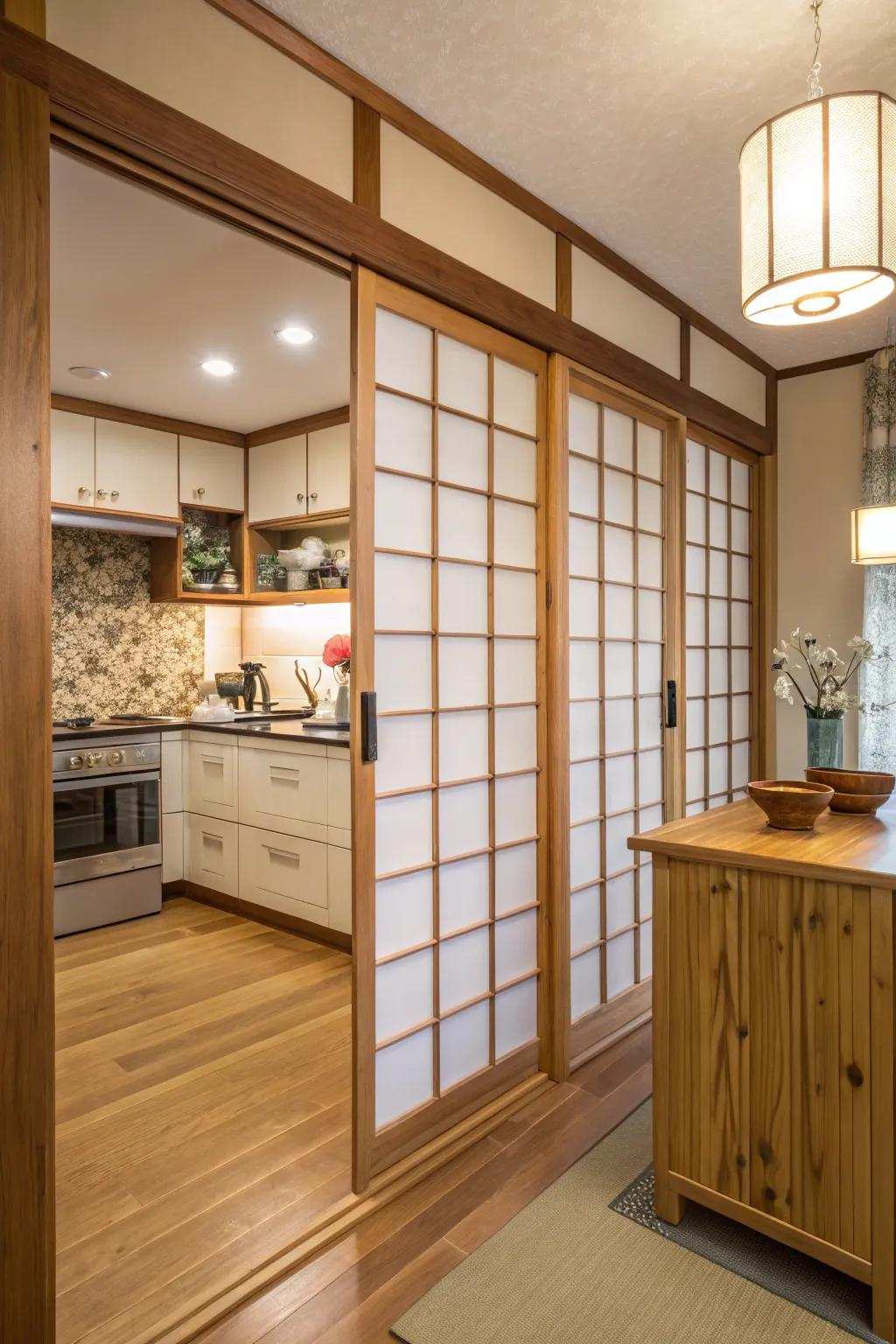
Traditional lateral entryways can be used to discreetly section off areas within the kitchen. These entryways pay homage to Japanese design, which is known for its innovative blend of tradition and modernity.
Integrating Contemporary Home Technology
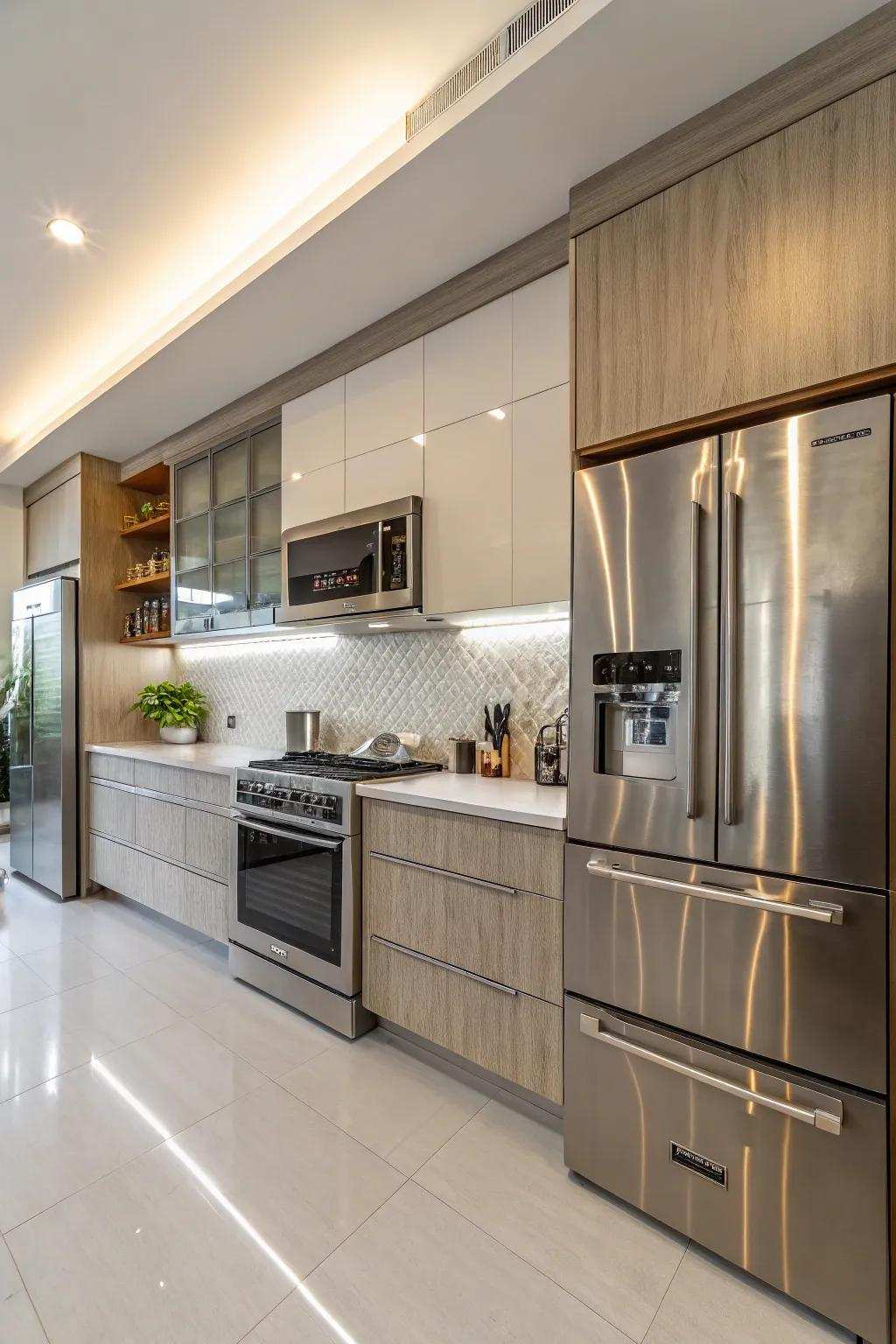
Contemporary home technology, such as stainless steel or fully integrated models, can be integrated into the kitchen design to create a polished appearance that balances functionality with aesthetics.
Embracing Minimalism in Japandi Design
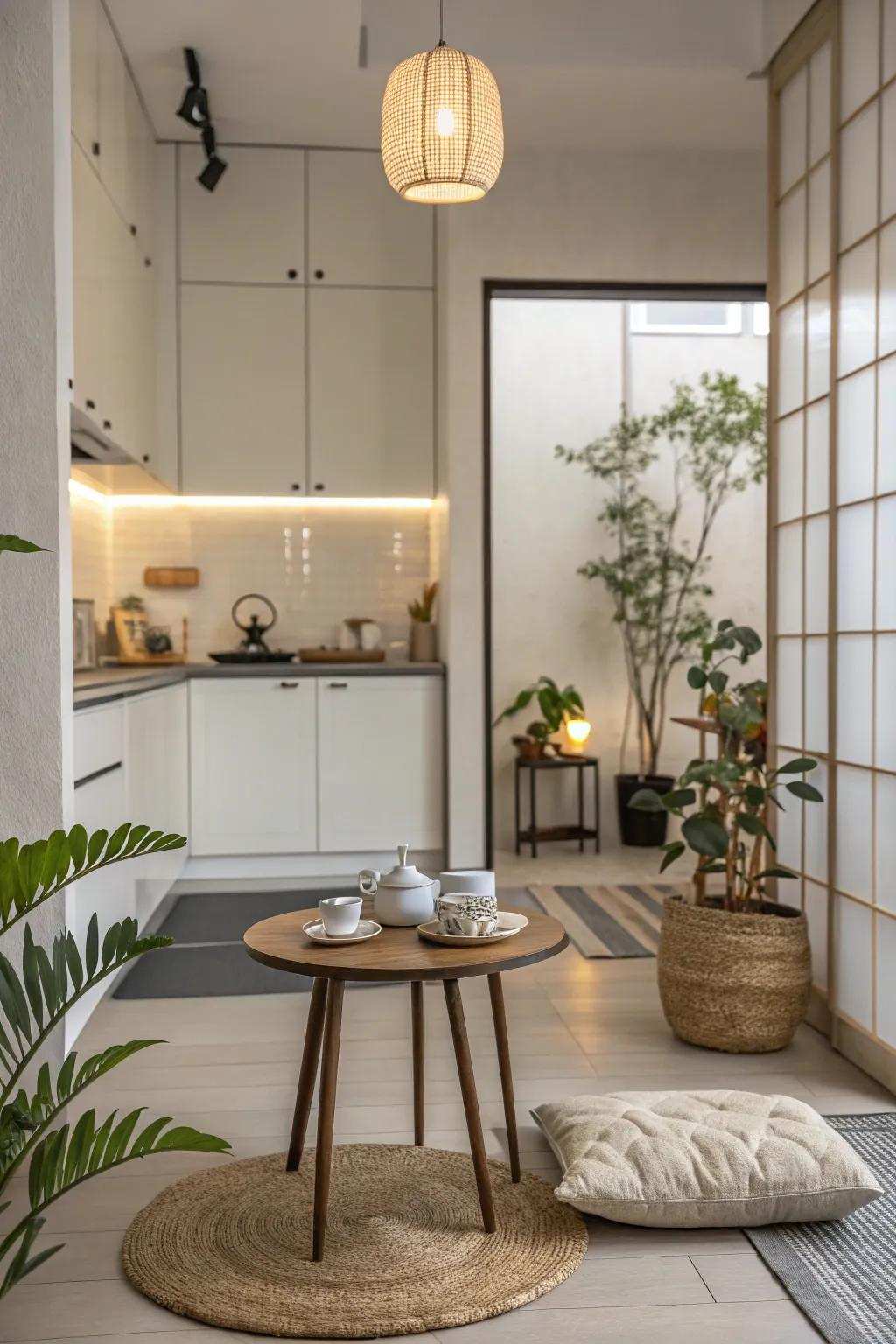
Minimalism is at the core of Japandi kitchen design, emphasizing unadorned lines and surfaces free from clutter. By decluttering the visual field, homeowners can create a more spacious atmosphere that promotes a sense of peace and tranquility.
Designing Zen Corners
A small Zen corner can be designed to serve as a personal sanctuary, embodying the essence of calm and simplicity. This space can include a tea alcove or other elements that encourage relaxation and contemplation.
Embracing the Beauty of Nature
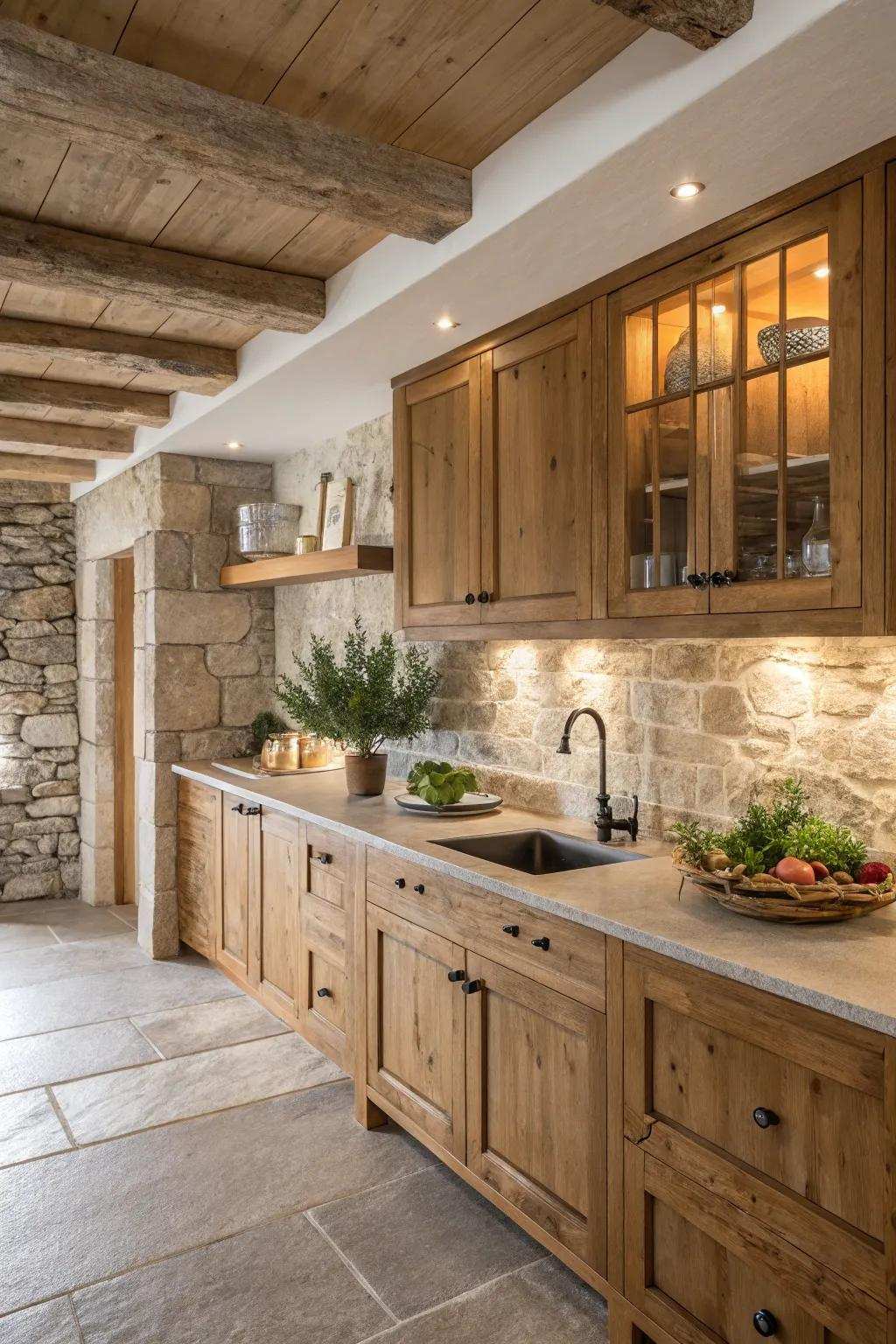
By incorporating natural elements such as wood and stone, homeowners can create a warm and inviting atmosphere in their kitchens. These materials serve as a bridge between the interior space and the outdoors, fostering a sense of grounding and connection to the natural world. This approach allows individuals to create a space that is both aesthetically pleasing and emotionally resonant.
Incorporating Japanese Earthenware Pieces
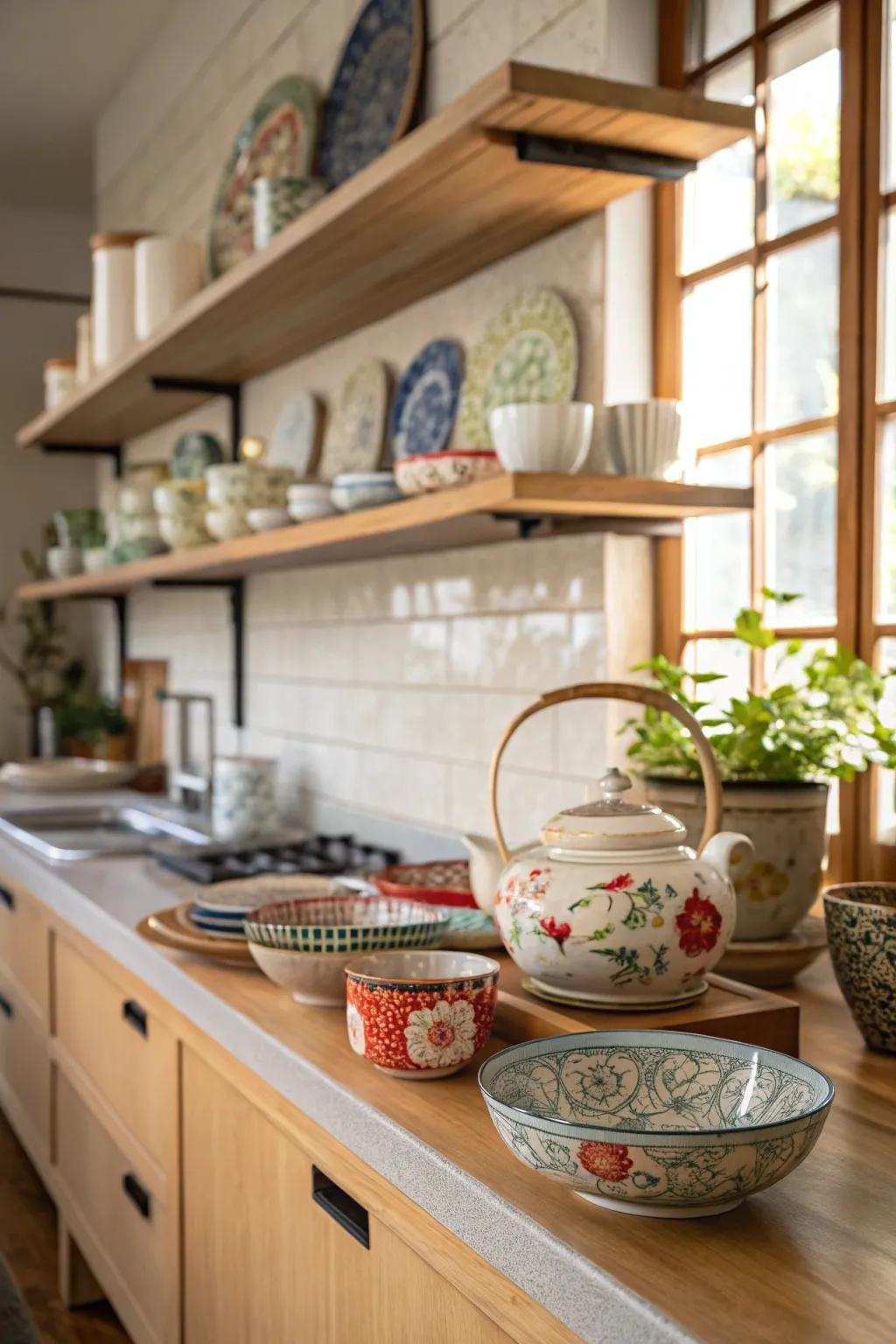
Japanese earthenware is an excellent choice for adding an artisanal touch to the kitchen. The artistry and beauty of these pieces make them perfect for incorporating unique and eye-catching elements into any kitchen design. By selecting from a variety of Japanese earthenware designs, homeowners can add a personal touch and create a space that reflects their individual style.
Benefits of Practical Lighting Solutions
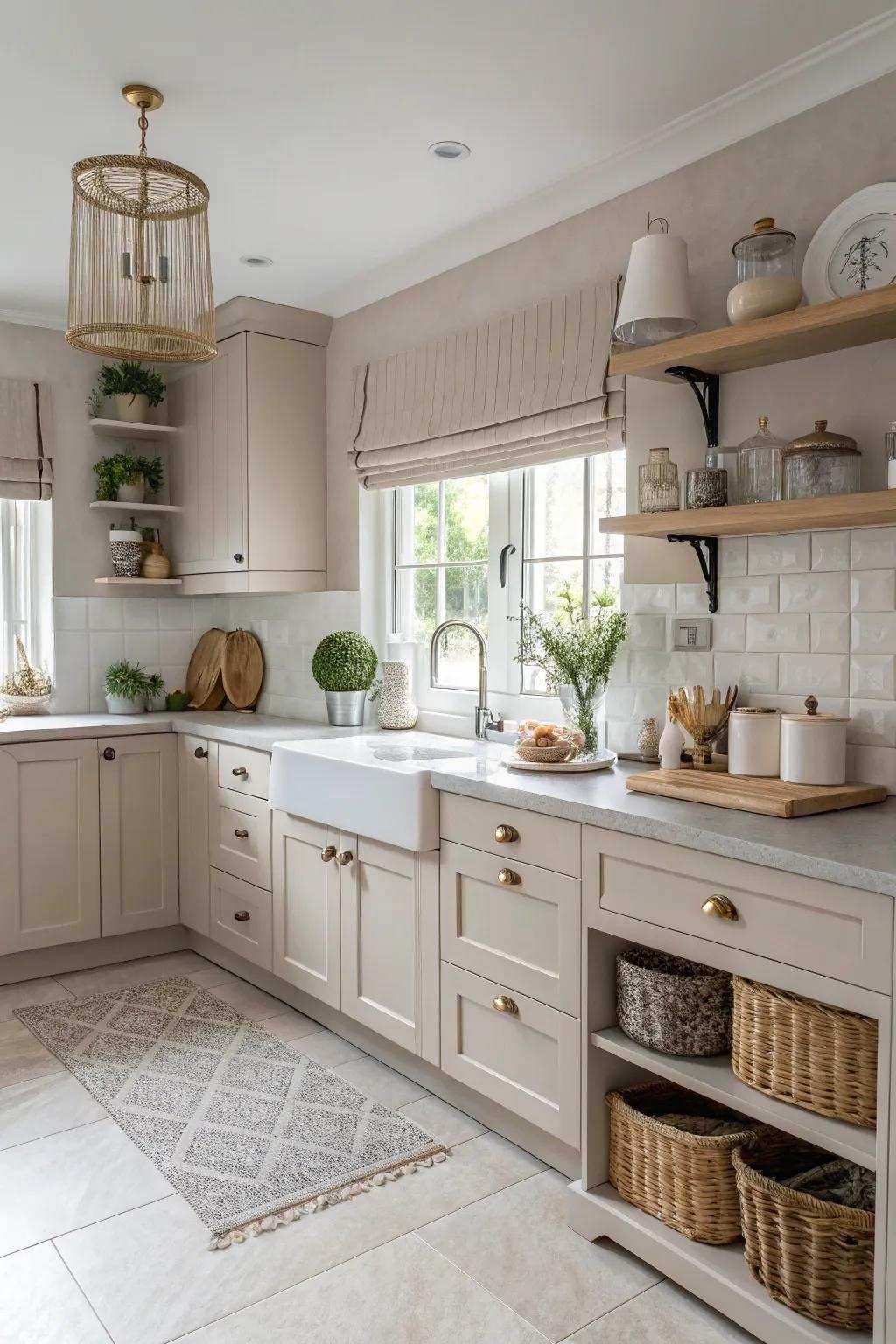
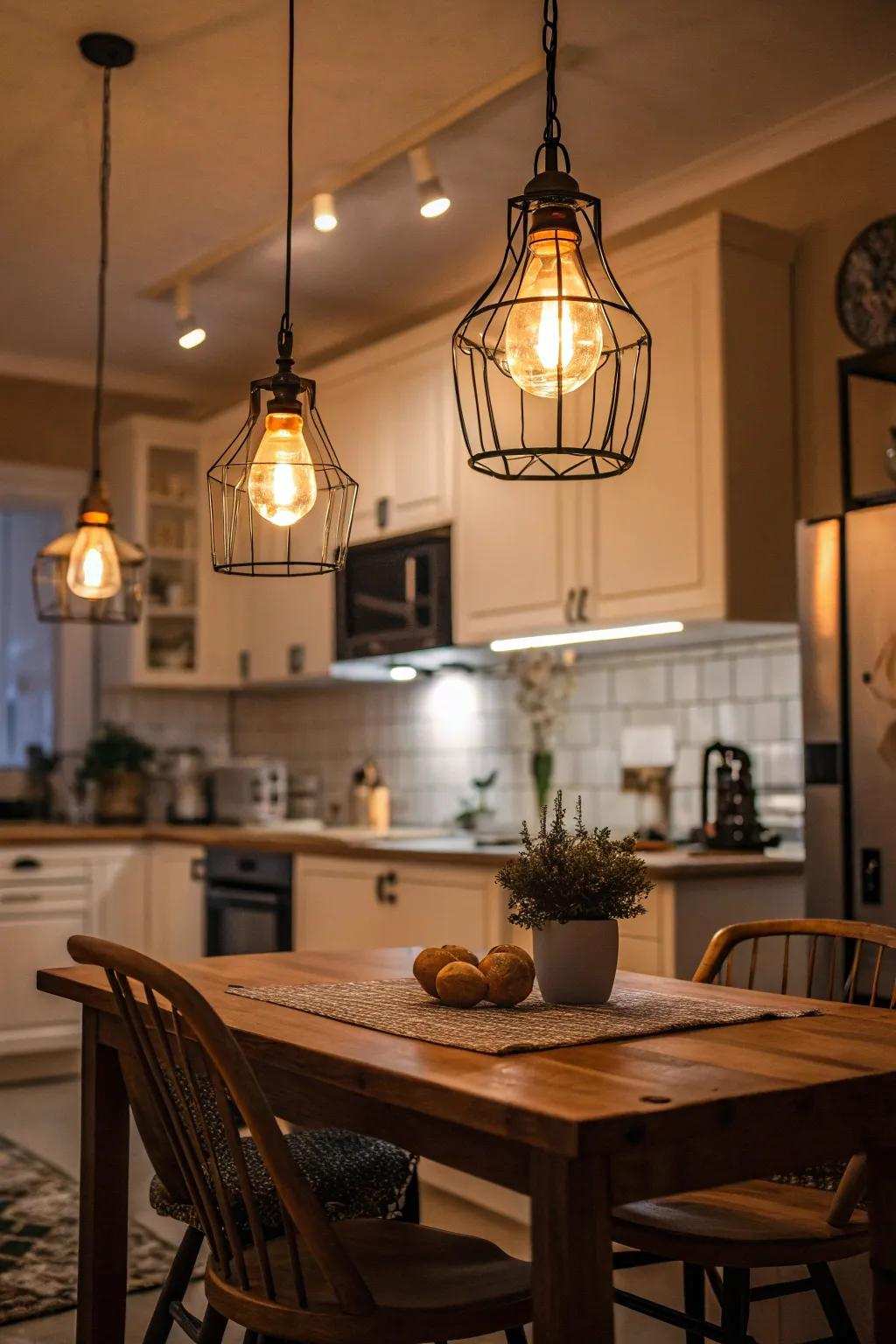
Practical lighting solutions, such as pendant fixtures, can greatly enhance the ambiance of a kitchen. By casting a warm glow across the space, these fixtures create a welcoming and cozy atmosphere, perfect for gatherings of any kind. This type of lighting also serves to highlight the beauty of the materials and design elements, making the space feel more inviting and relaxing.
Creating a Neutral Color Palette
Utilizing a neutral color palette, which incorporates shades such as whites, beiges, and gentle grays, is a popular approach to creating a serene setting in the kitchen. By establishing a calm and balanced atmosphere, homeowners can allow the inherent beauty of the materials to truly stand out. This technique is often employed to create a sense of harmony and visual equilibrium, resulting in a space that is both beautiful and functional.