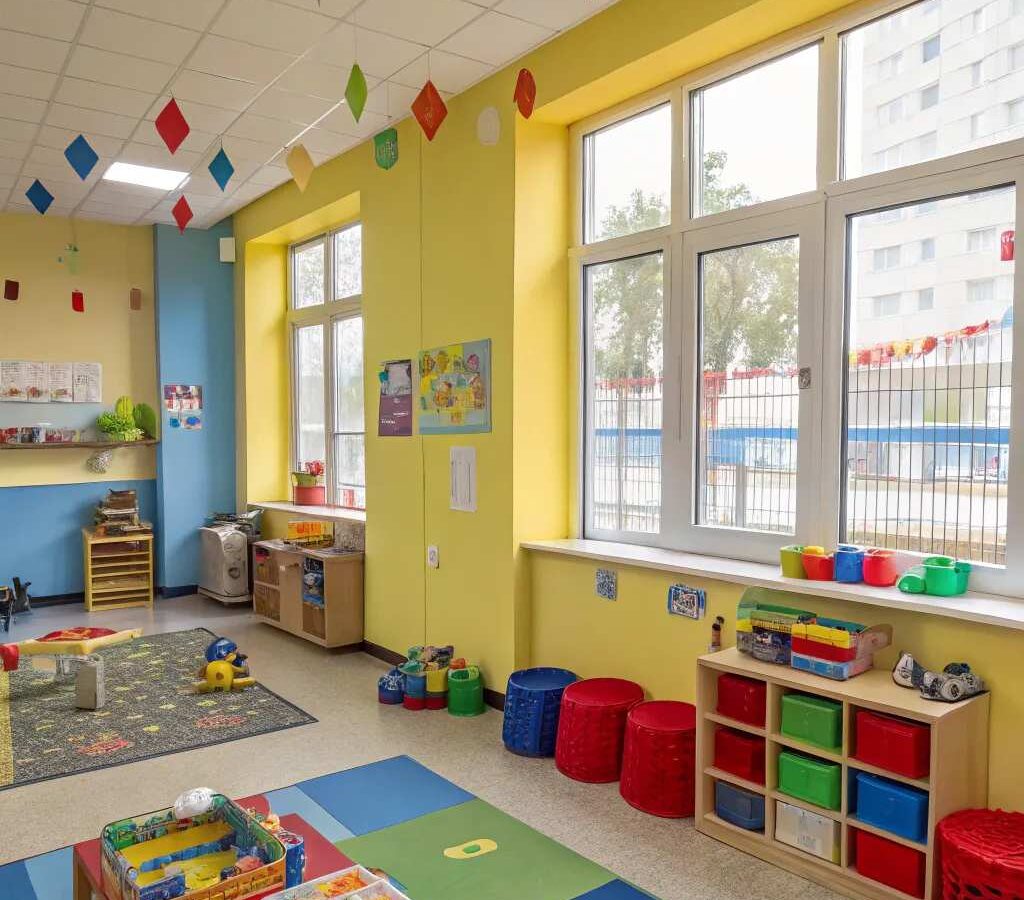
A nurturing environment rich in visual stimulation is essential for fostering the imagination and intellectual growth of young minds. To create such a stimulating atmosphere, childcare professionals can draw inspiration from an array of imaginative and practical decorating ideas that can instantly transform a daycare area into an enchanting space.
Environmentally-Conscious Components
Designers often opt for environmentally-conscious materials and decor to create a sustainable setting, one that not only appeals to the senses but also educates children about the importance of sustainability. This eco-friendly approach not only benefits the environment but also instills a sense of responsibility in children, encouraging them to adopt sustainable practices.
Dynamic Illumination Solutions
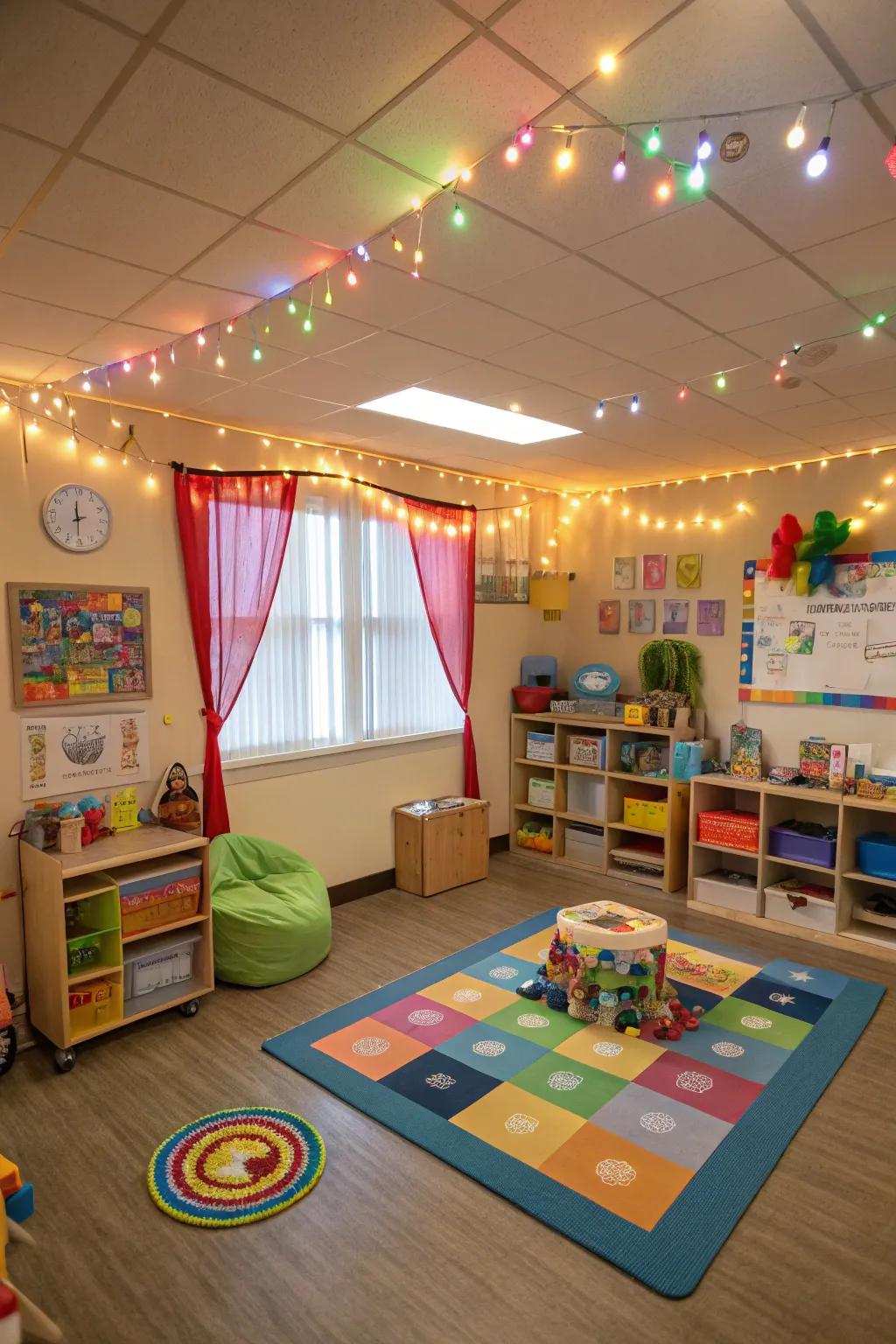
Effective lighting can significantly enhance the ambiance of a space, and employing dynamic illumination is a great way to establish various moods in different sectors. By adjusting the light levels, designers can create a gentle atmosphere for perusing and brighter ambiance for play, thus transforming the overall feel of the space.
Relaxation Spots
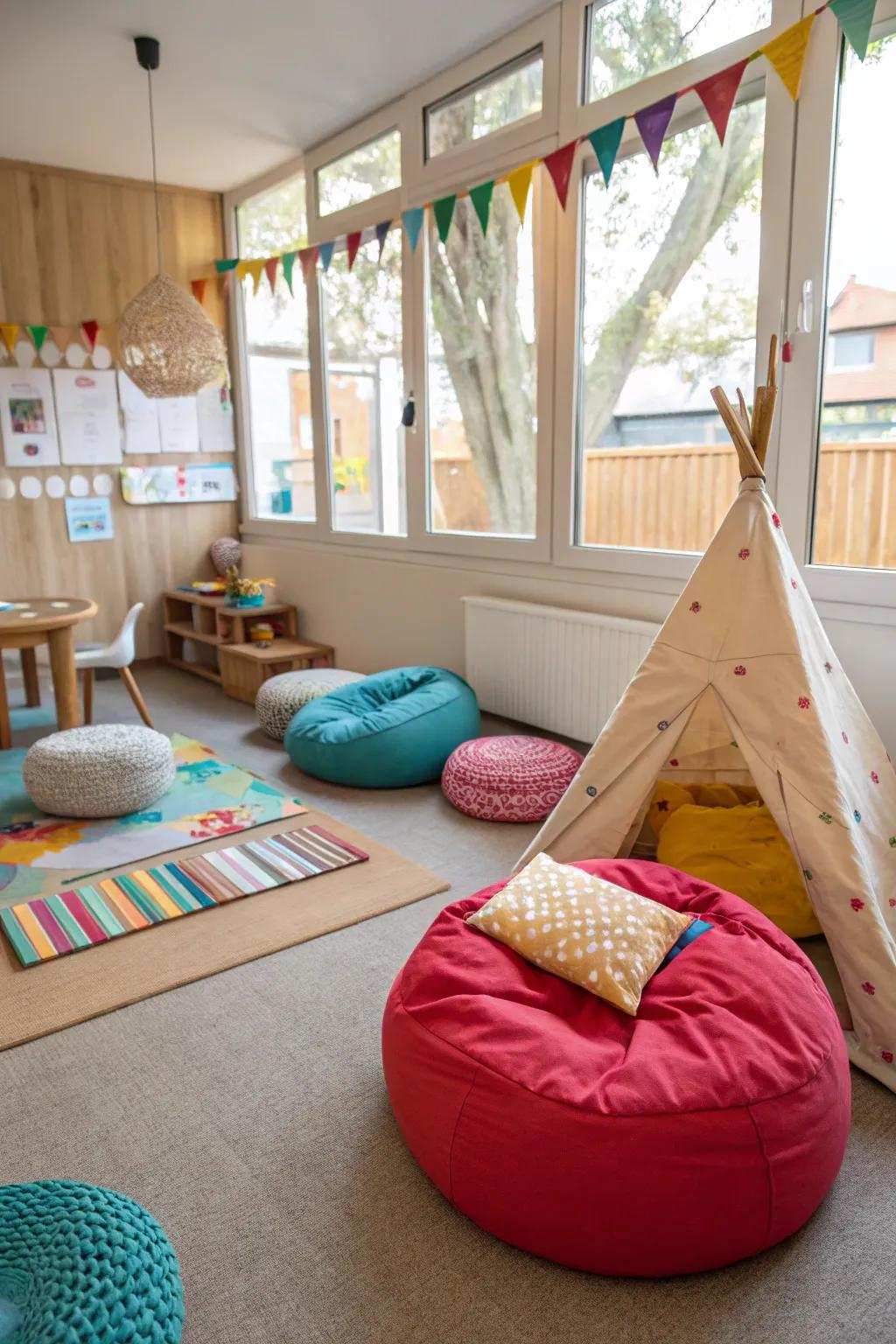
Cozy corners with lounging cushions or delicate cushions are designed to help kids decompress, providing an ideal space for quiet periods or perusing. These sectors allow children to revitalize, recharge, and refocus, making them an essential part of any learning environment.
Mix of Modern and Playful Aesthetics
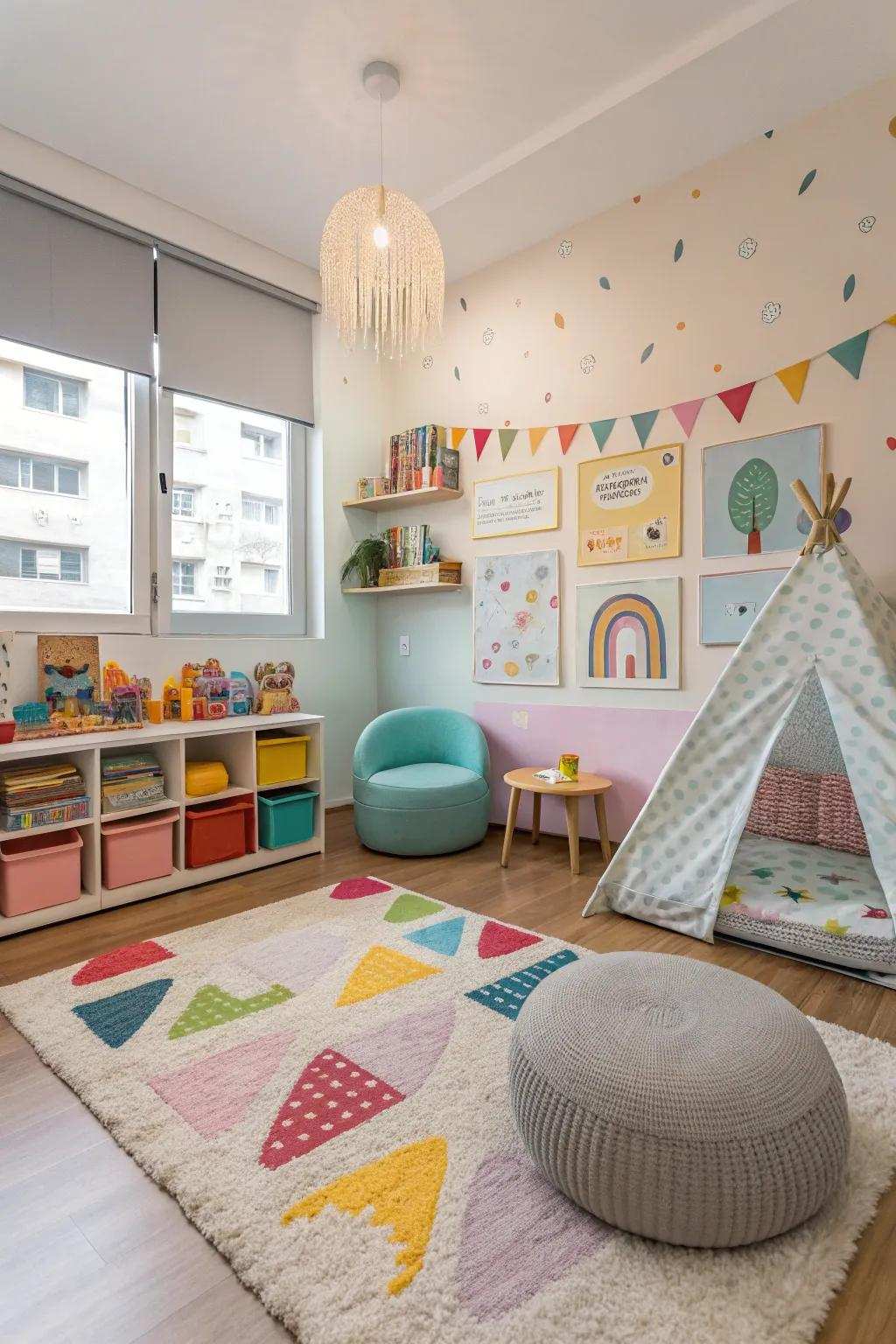
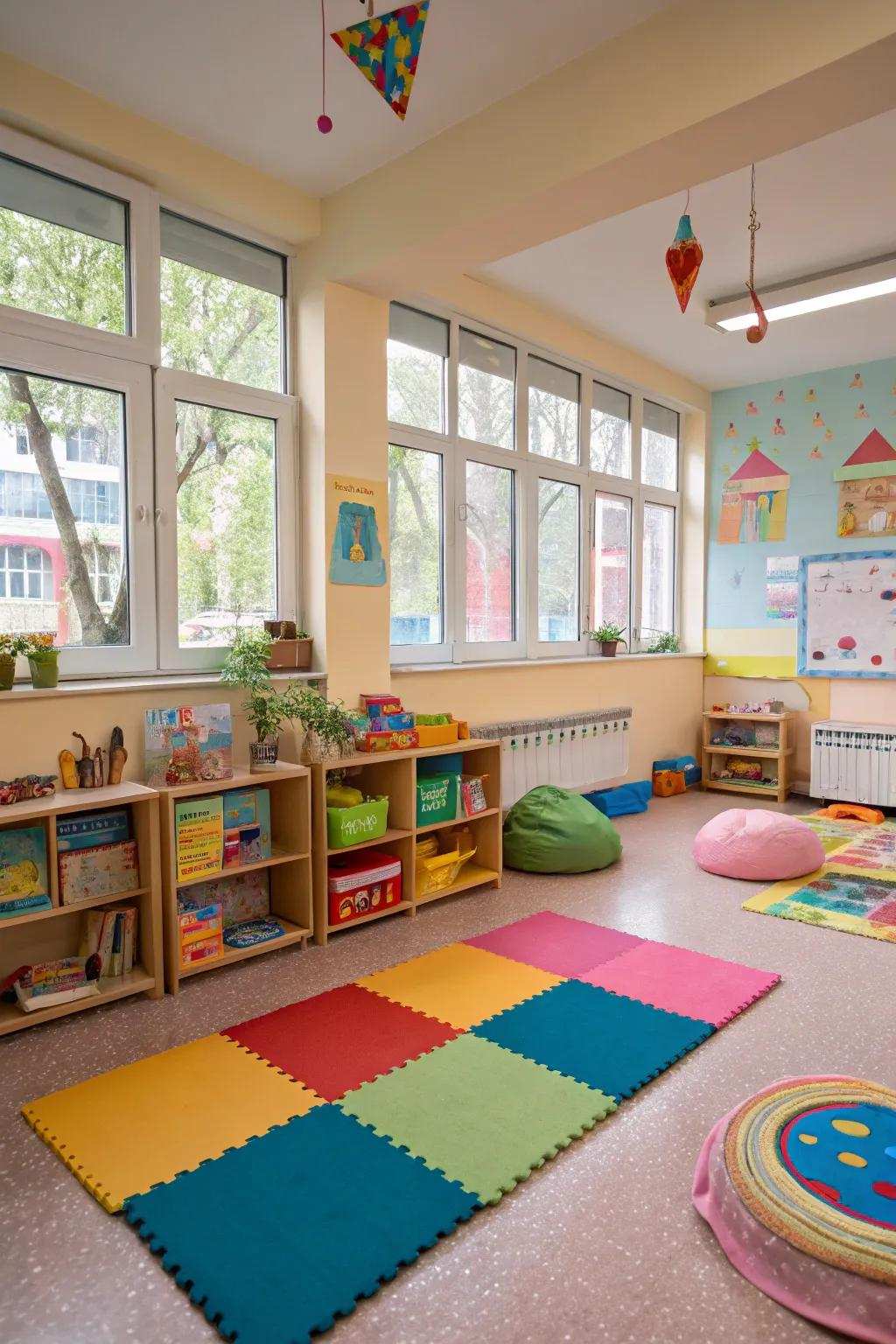
A well-designed space that combines modern aesthetics with playful elements can maintain its freshness and stimulation, keeping both kids and parents contented. This balance of style and functionality is often achieved by incorporating elements that inspire creativity, such as bright colors, whimsical patterns, and interactive features.
Perceptual Play Sector
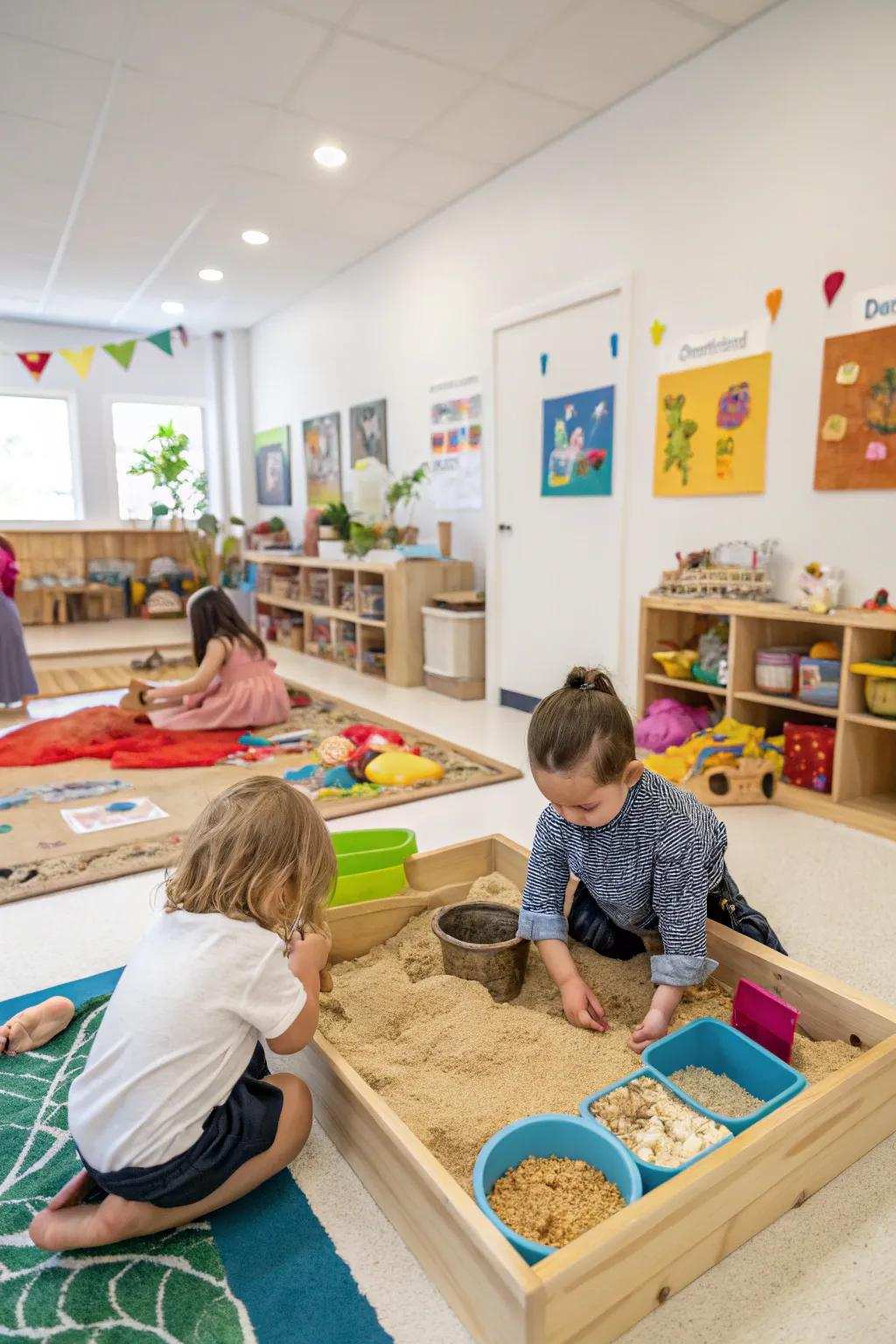
The incorporation of a perceptual play sector with textures, sounds, and materials for exploration is a proven way to engage children’s curiosity and promote learning through play. This hands-on approach to education has been consistently favored by children, who enjoy discovering new sights, sounds, and sensations in a safe and supportive environment.
Child-Proportioned Furniture
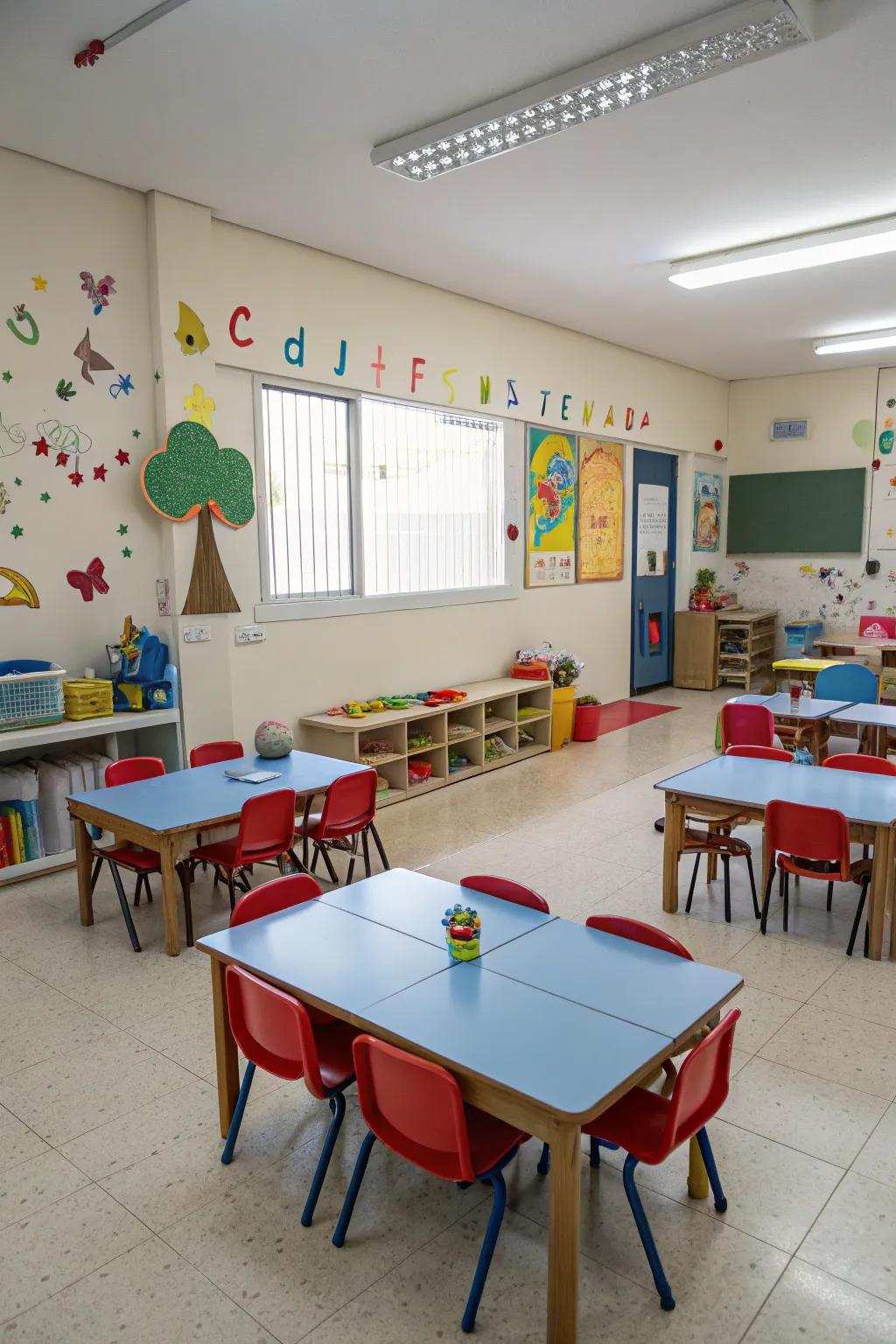
Child-proportioned tables and chairs are essential for creating a space that feels customized specifically for youngsters. By outfitting the space with furniture that’s designed with children in mind, designers can foster autonomy, self-confidence, and a sense of ownership, making the learning environment feel more inclusive and engaging.
Achievement Display
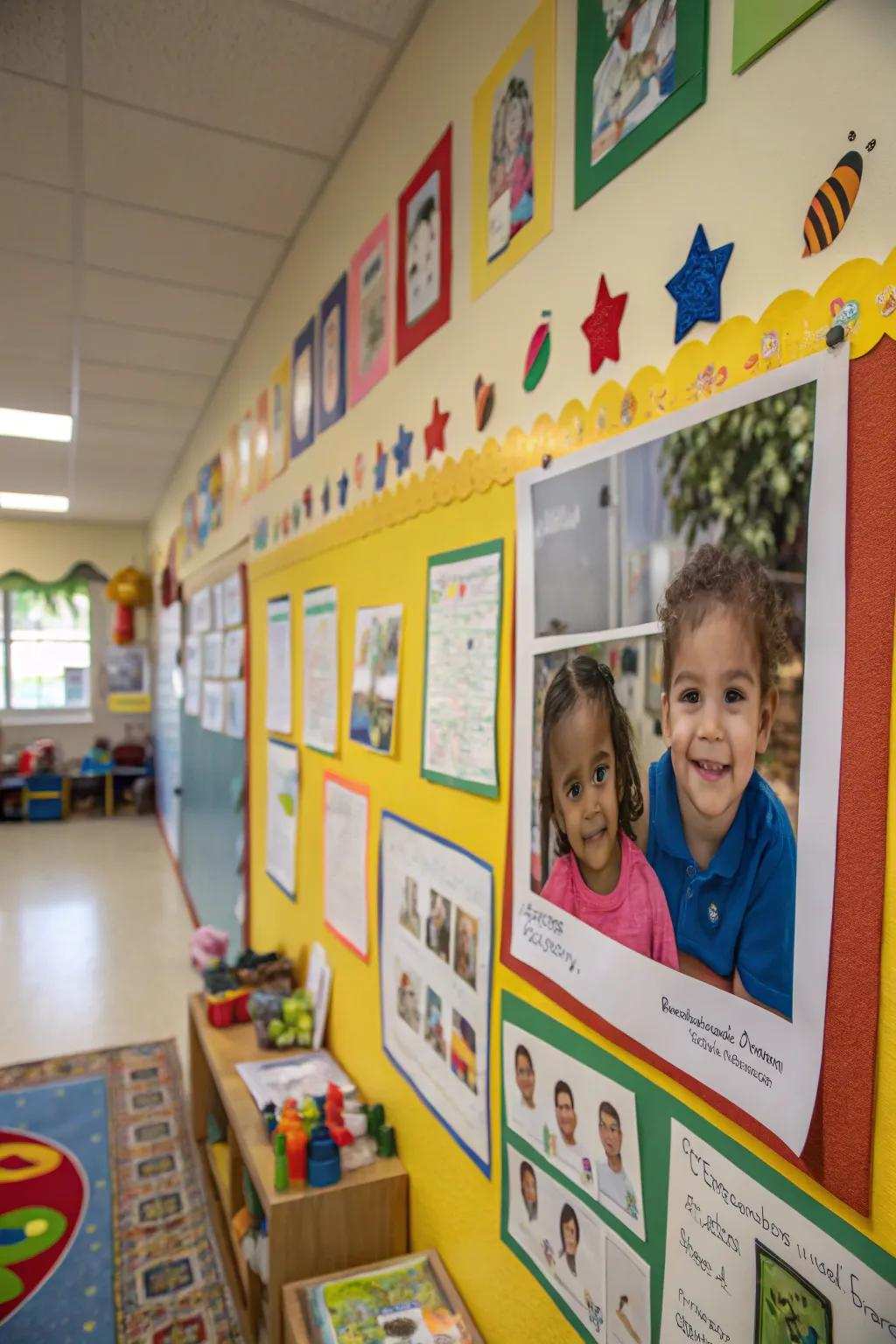
A display celebrating children’s accomplishments is a heartwarming way to showcase their work and milestones, bringing happiness and a sense of pride to the little ones. This display can take many forms, from a dedicated wall to a digital showcase, and is often an intimate way to connect with children and recognize their achievements.
Delicate and Secure Flooring
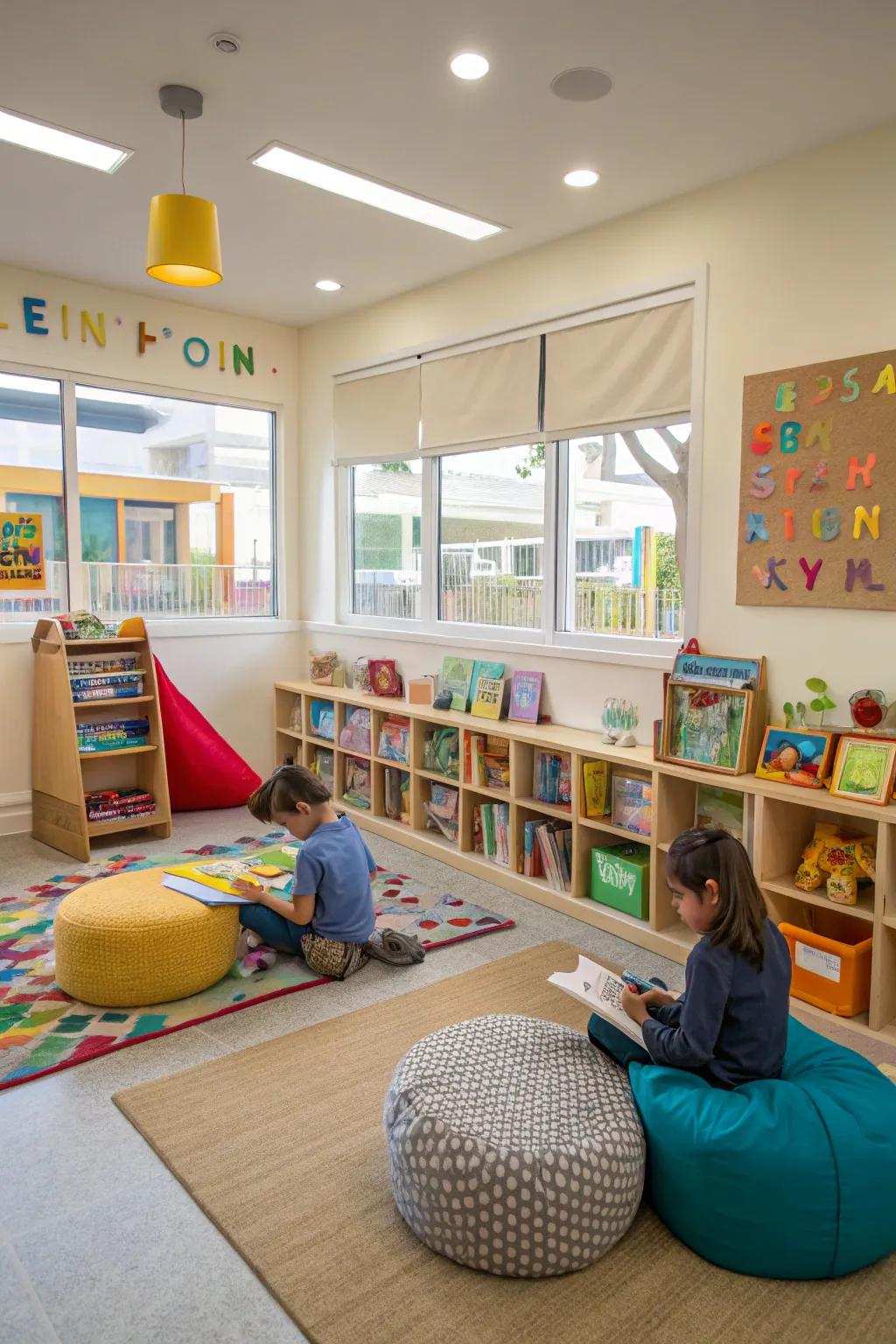
Delicate flooring such as colorful rugs and mats can mitigate falls and enhance coziness, making the area feel more inviting and secure for play. This simple enhancement can have a significant impact on the overall ambiance of the space, creating a warm and welcoming atmosphere that encourages exploration and creativity.
Structured Recreation Sectors
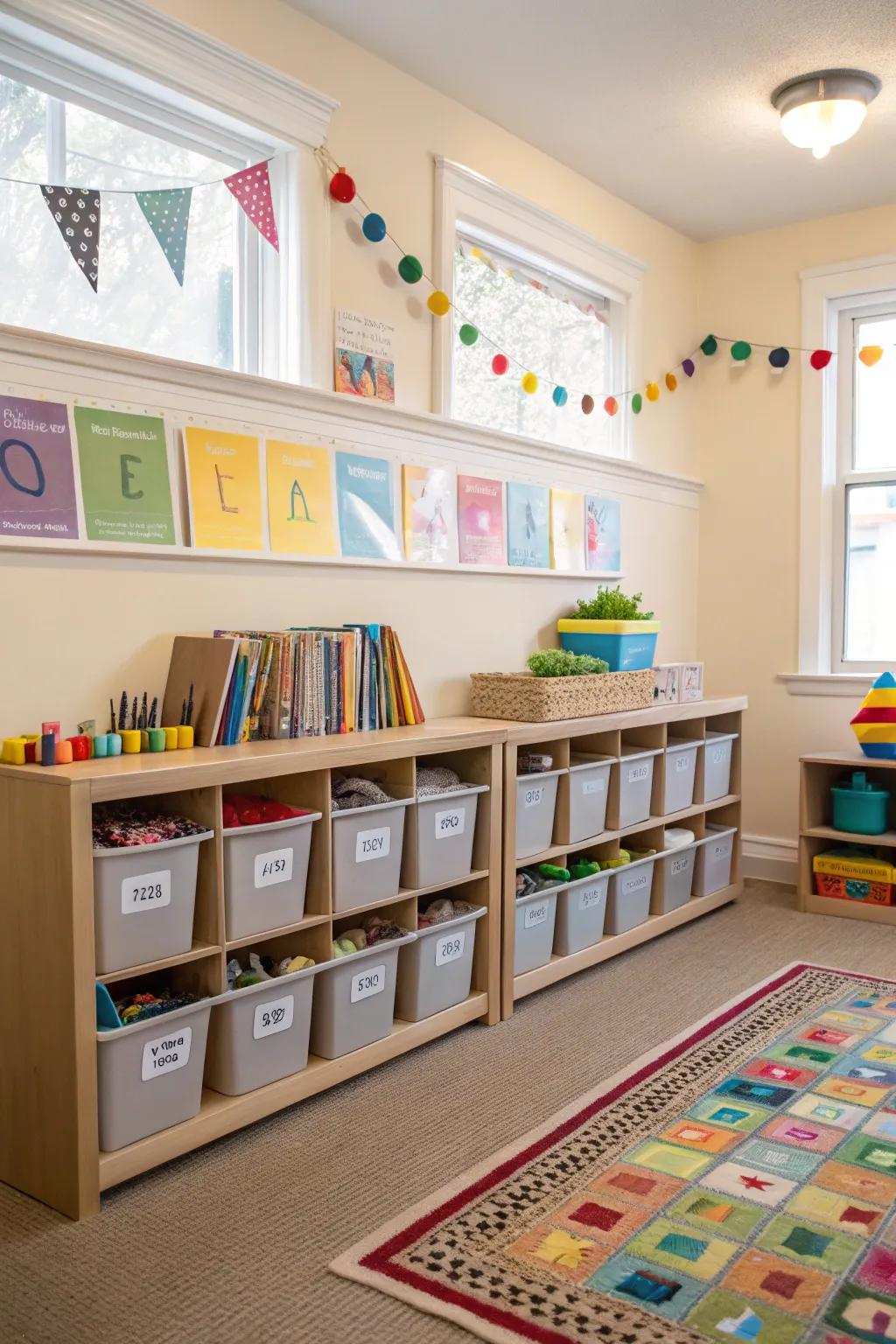
Designated recreation sectors for various pursuits like perusing, artistry, and construction are essential for creating a space that fosters focus and understanding. By allocating distinct sectors for different activities, designers can help children concentrate on the task at hand, develop their skills, and build their confidence.
Efficient Storage Options
Accessible storage options like low shelving and bins can foster neatness, making it easier for children to organize their belongings and maintain a tidy space. This approach to storage encourages children to develop good habits, take responsibility for their belongings, and create a superior learning environment that’s conducive to growth and development.
Themed Nooks
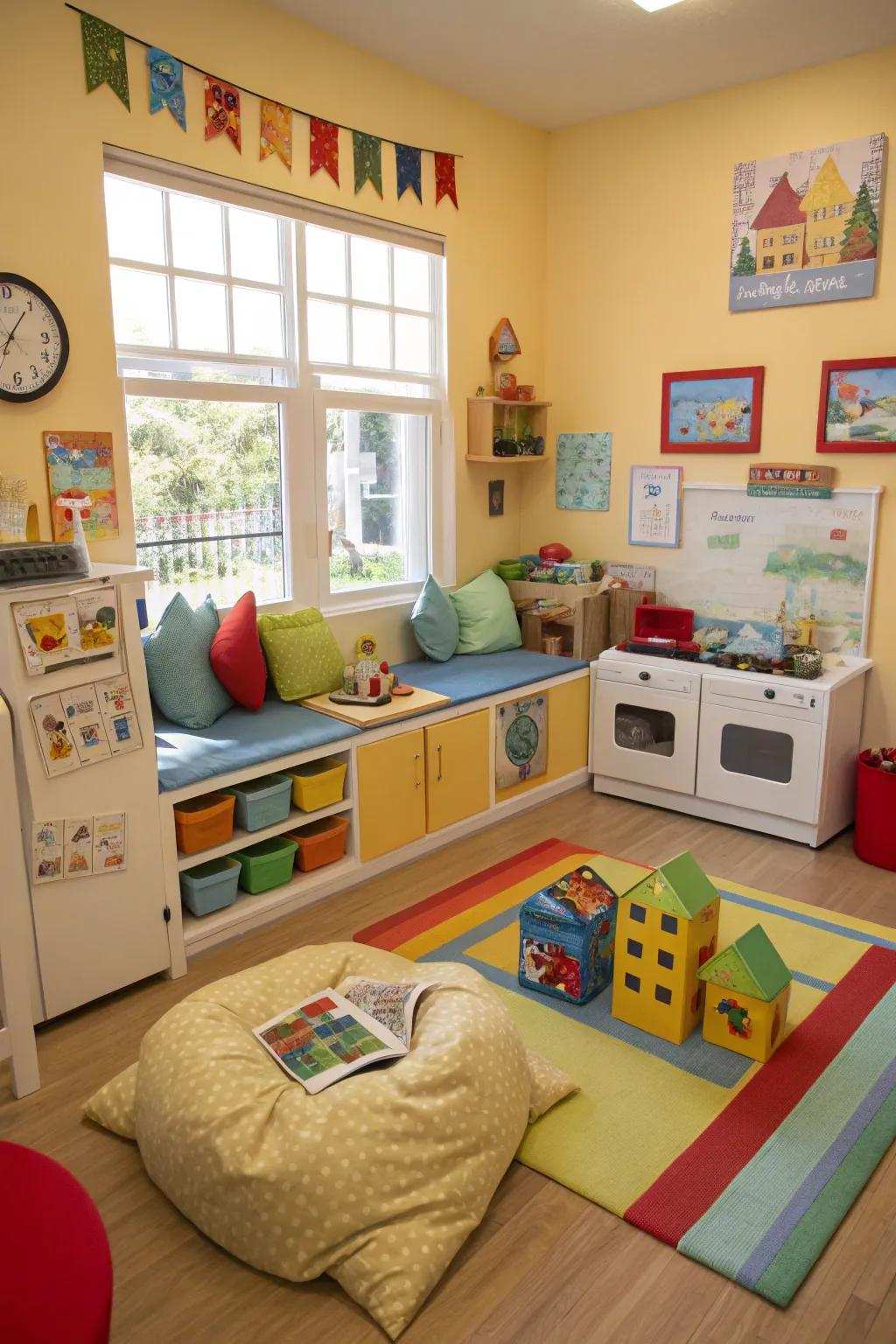
Themed nooks like a miniature culinary space or workshop can provide endless opportunities for imaginative amusement, enabling children to dive into role-playing and expand their inventiveness. These sectors offer a unique way to engage children’s creativity, foster their imagination, and develop their problem-solving skills in a fun and interactive environment.
External Ambiance Indoors
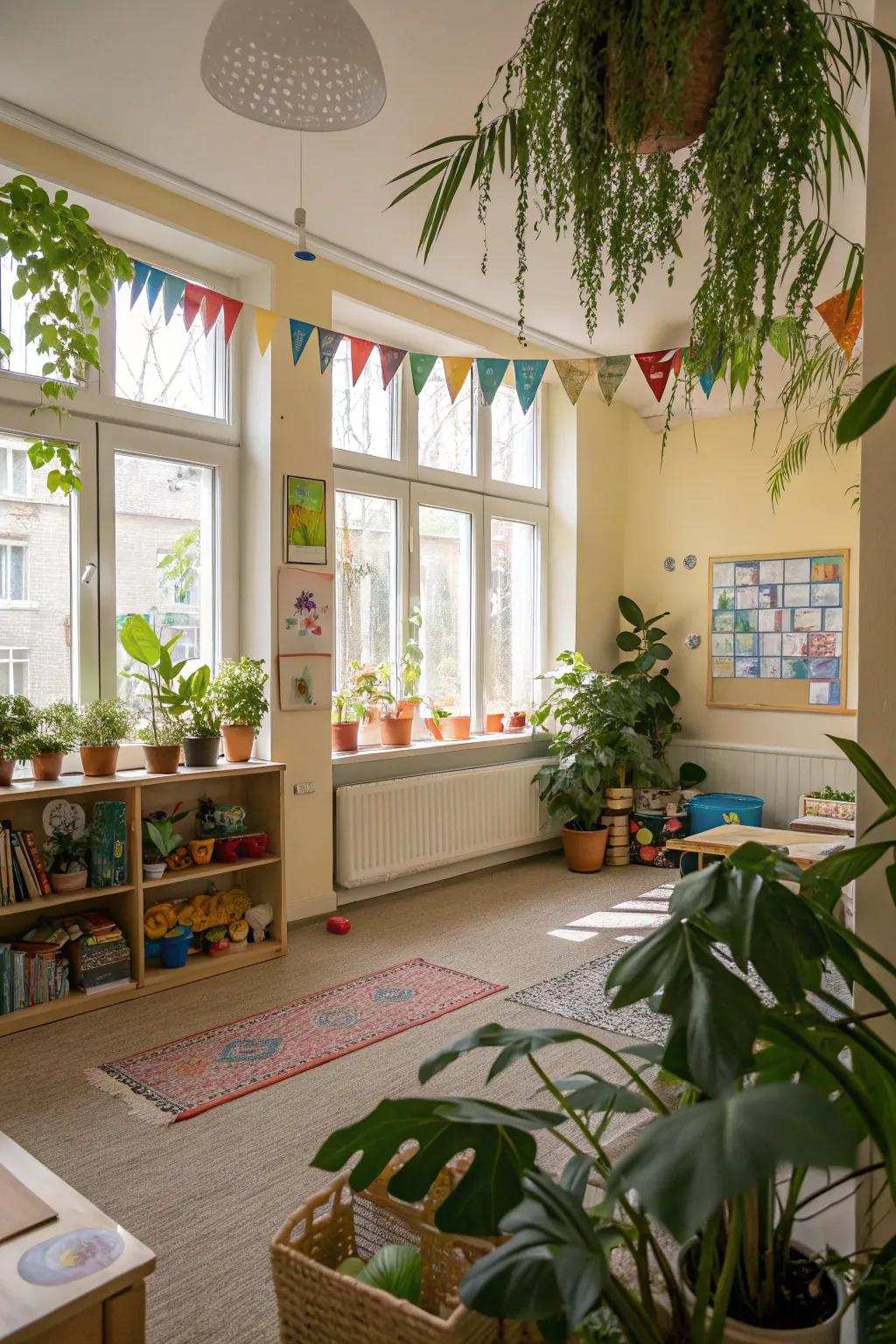
Simulating the external ambiance inside with potted flora and natural luminance can invigorate a space, rendering it fresh and vibrant. This simple element can have a significant impact on the overall ambiance of the space, creating a sense of connection to the outdoors and inspiring a sense of wonder and curiosity in children.
Ecosystem-Inspired Embellishments
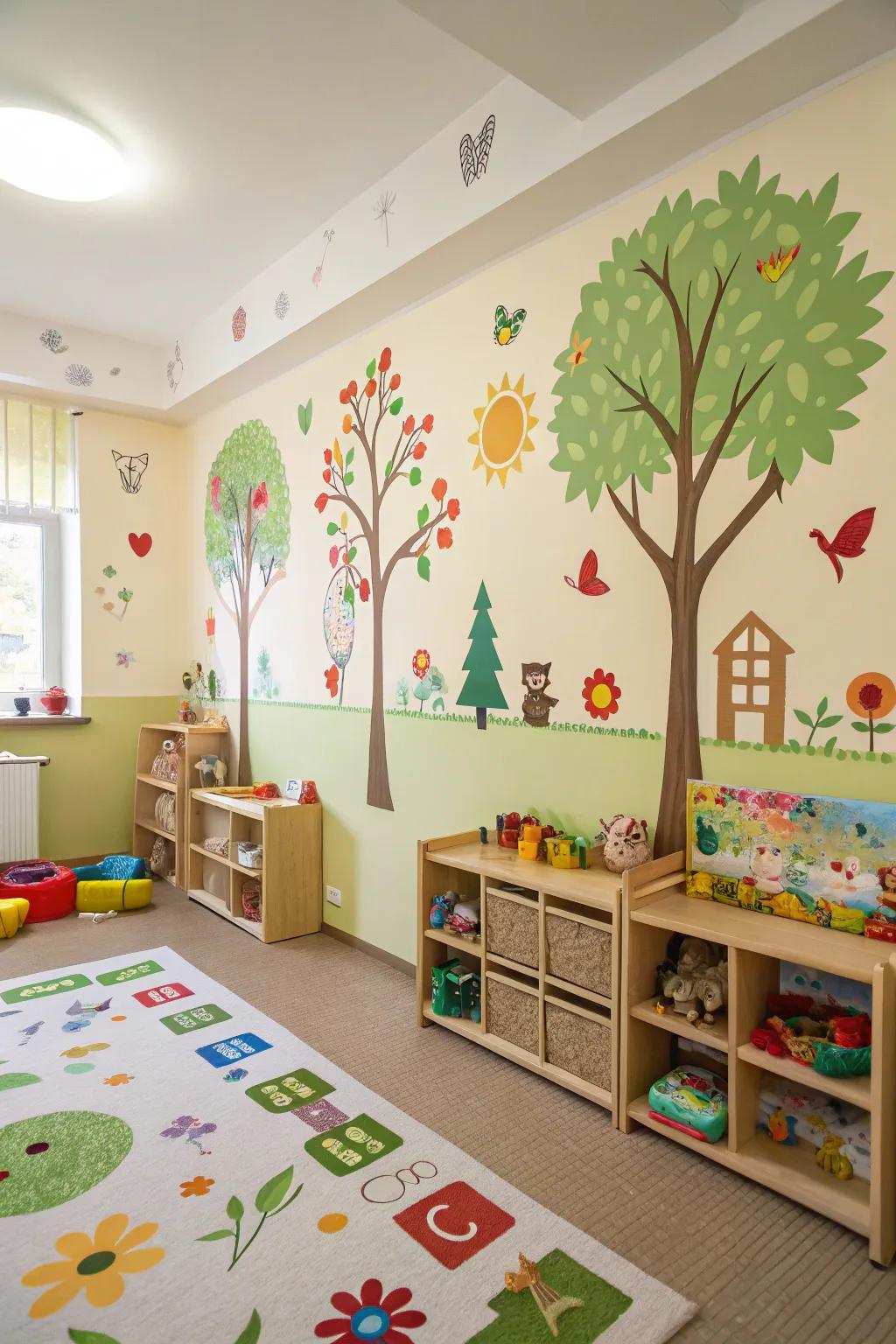
Daycare spaces can benefit from the incorporation of nature-inspired elements, such as wall decals of flora, fauna, and foliage. This aesthetic approach not only creates a calming atmosphere but also maintains the area’s visual appeal. By embracing ecological themes, daycare providers can encourage an appreciation for the outdoors while fostering a sense of serenity within their settings.
Instructive Artistic Shows
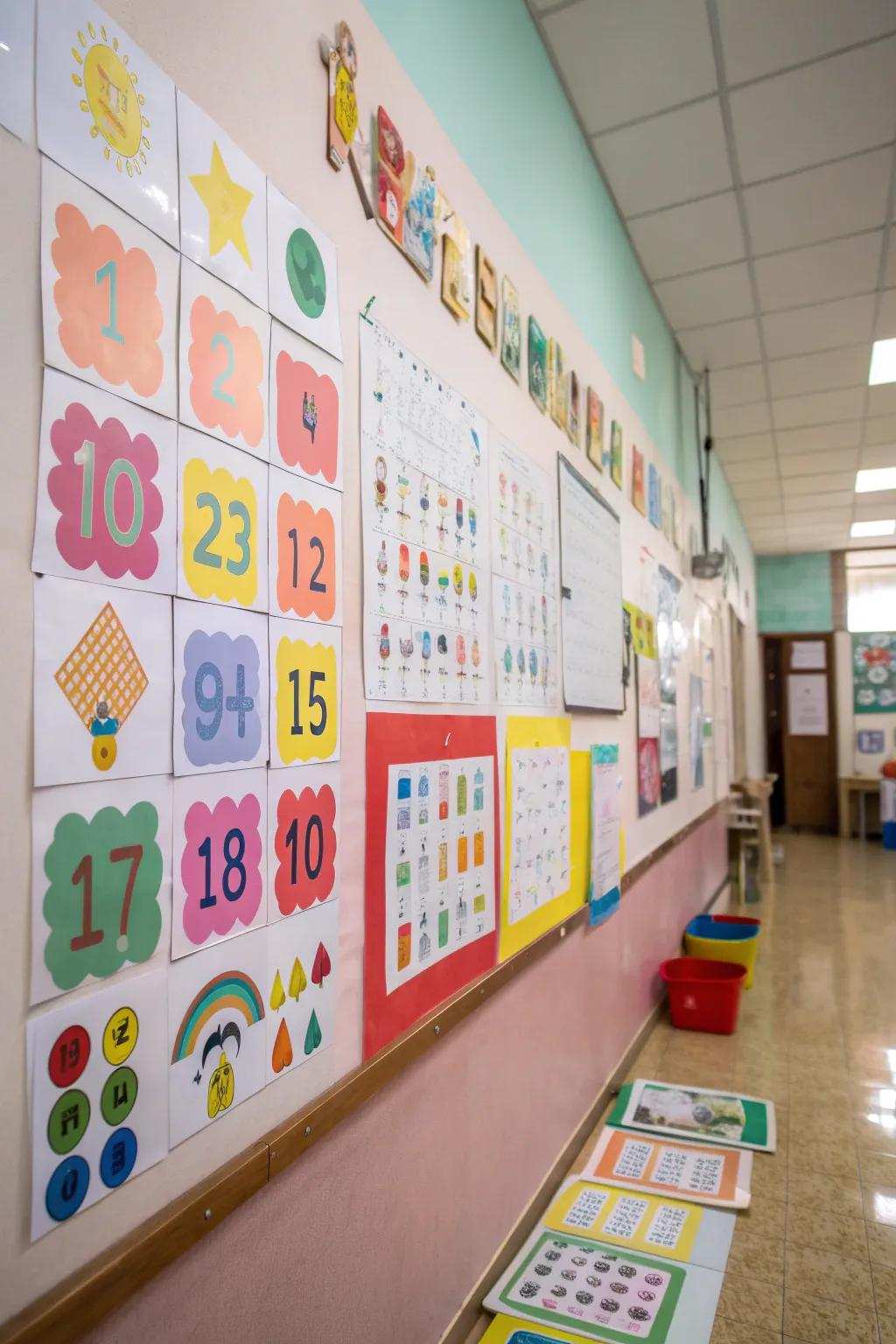
Displaying instructive posters featuring numerals, glyphs, and forms can serve as a subtle yet effective means of incorporating learning into the decor. These visual prompts have been observed to captivate children’s attention, sparking an innate curiosity about the world around them. By strategically placing these posters, daycare providers can create an environment that nurtures young minds and fuels their natural desire to learn.
Vibrant and Energetic Hues
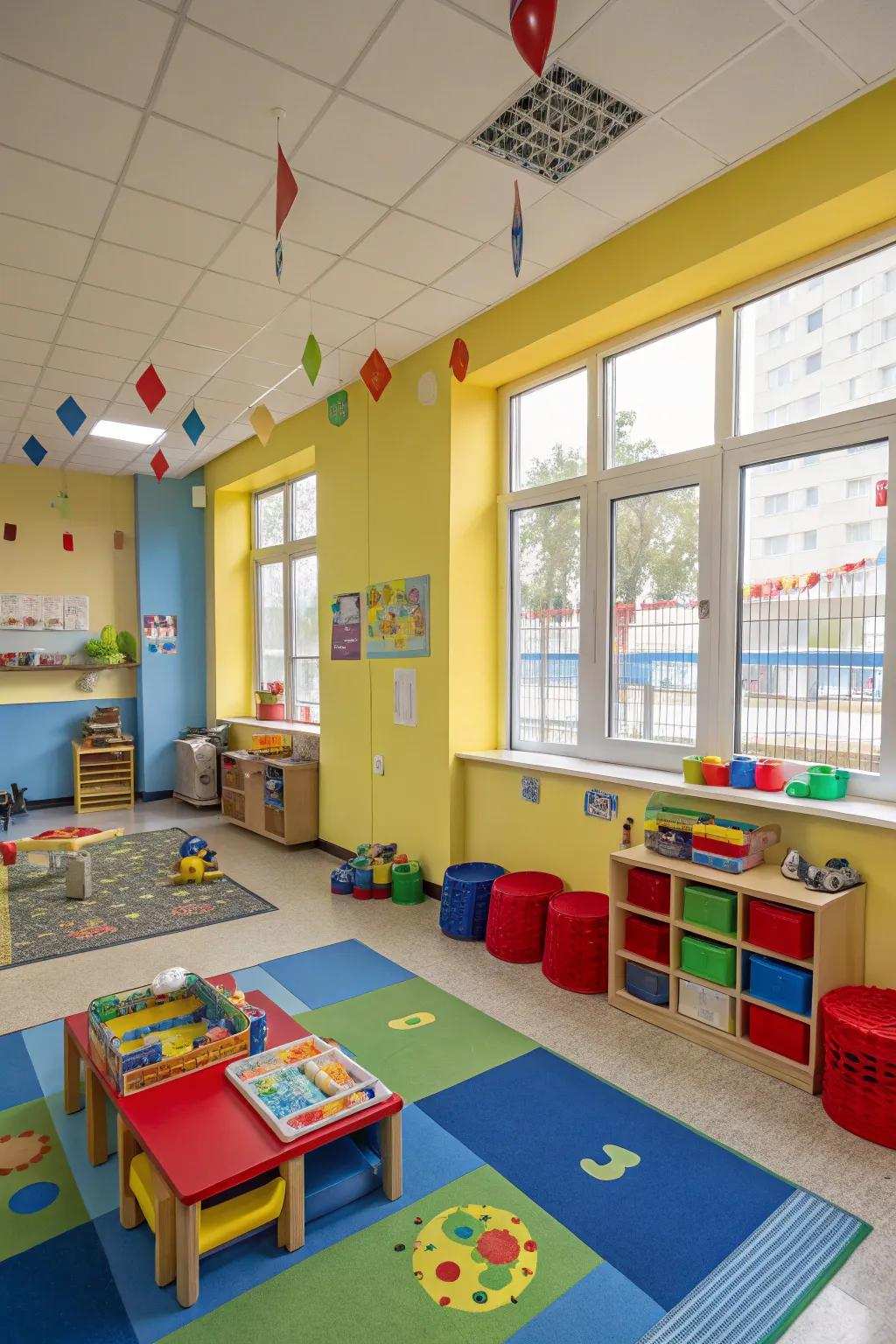
Bright, primary colors can instantly revitalize the ambiance of a daycare space, rendering it energetic and welcoming. Observations have shown that incorporating dynamic hues on both walls and furnishings can create a stimulating atmosphere, perfect for fostering social interaction and creativity among young children. By carefully selecting a palette that balances vibrancy with visual appeal, daycare providers can create an environment that is both engaging and conducive to learning.