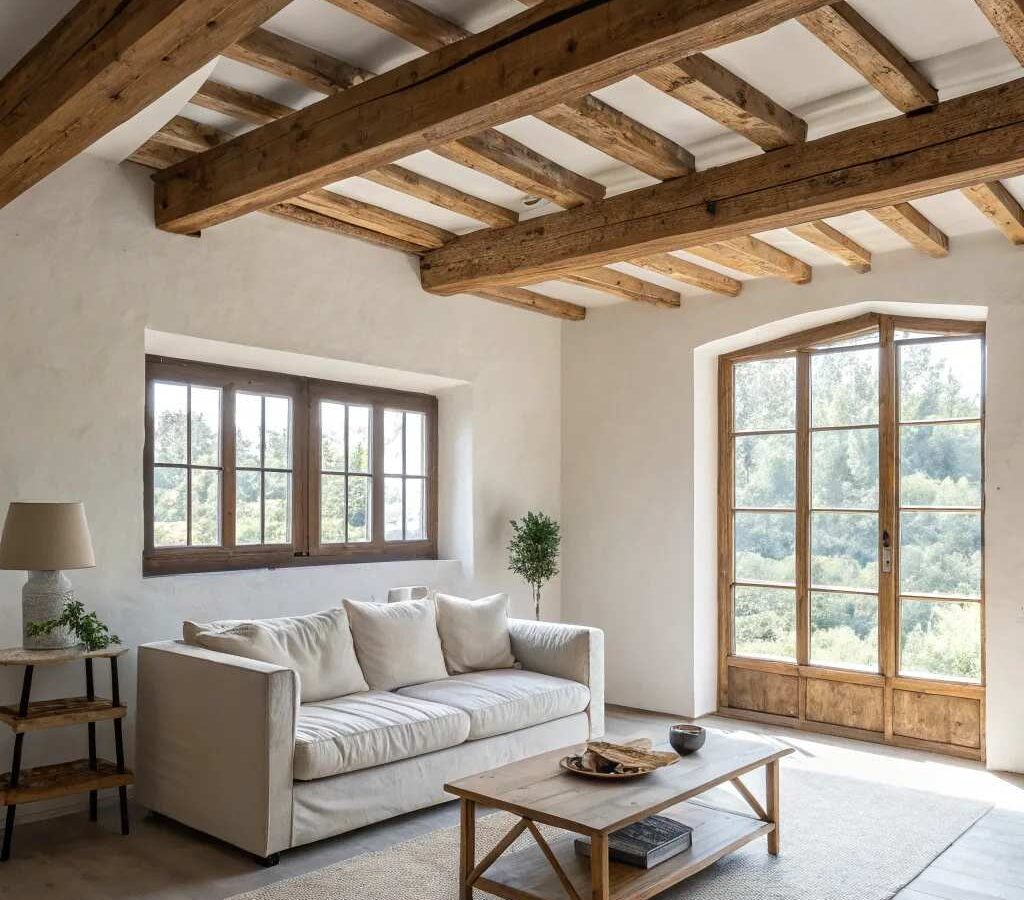
Simplifying one’s living space is an invitation to create a tranquil retreat, where refined elegance is the guiding principle. To cultivate a sense of serenity within your home, consider embracing design elements that distill life’s complexities into a seamless, understated aesthetic.
Develop a Sophisticated Visual Experience with Wood Panel Screens
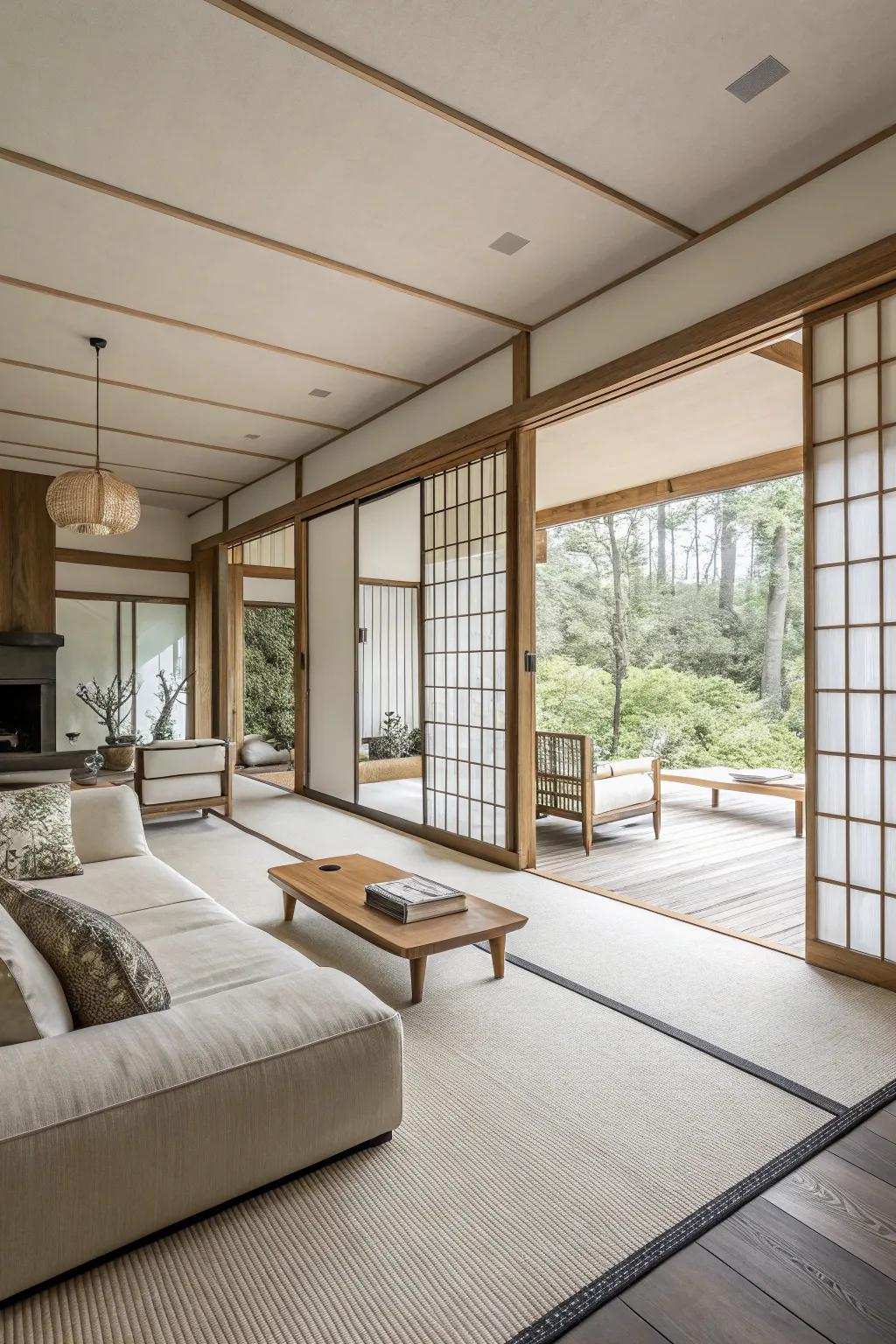
Designers can create a sophisticated and engaging visual experience by incorporating wood panel screens into a minimalist space. These screens add texture and visual intrigue, creating a sense of depth and subtlety that avoids the need for heavy partitions.
Integrate Vitreous Elements for Openness and Clarity
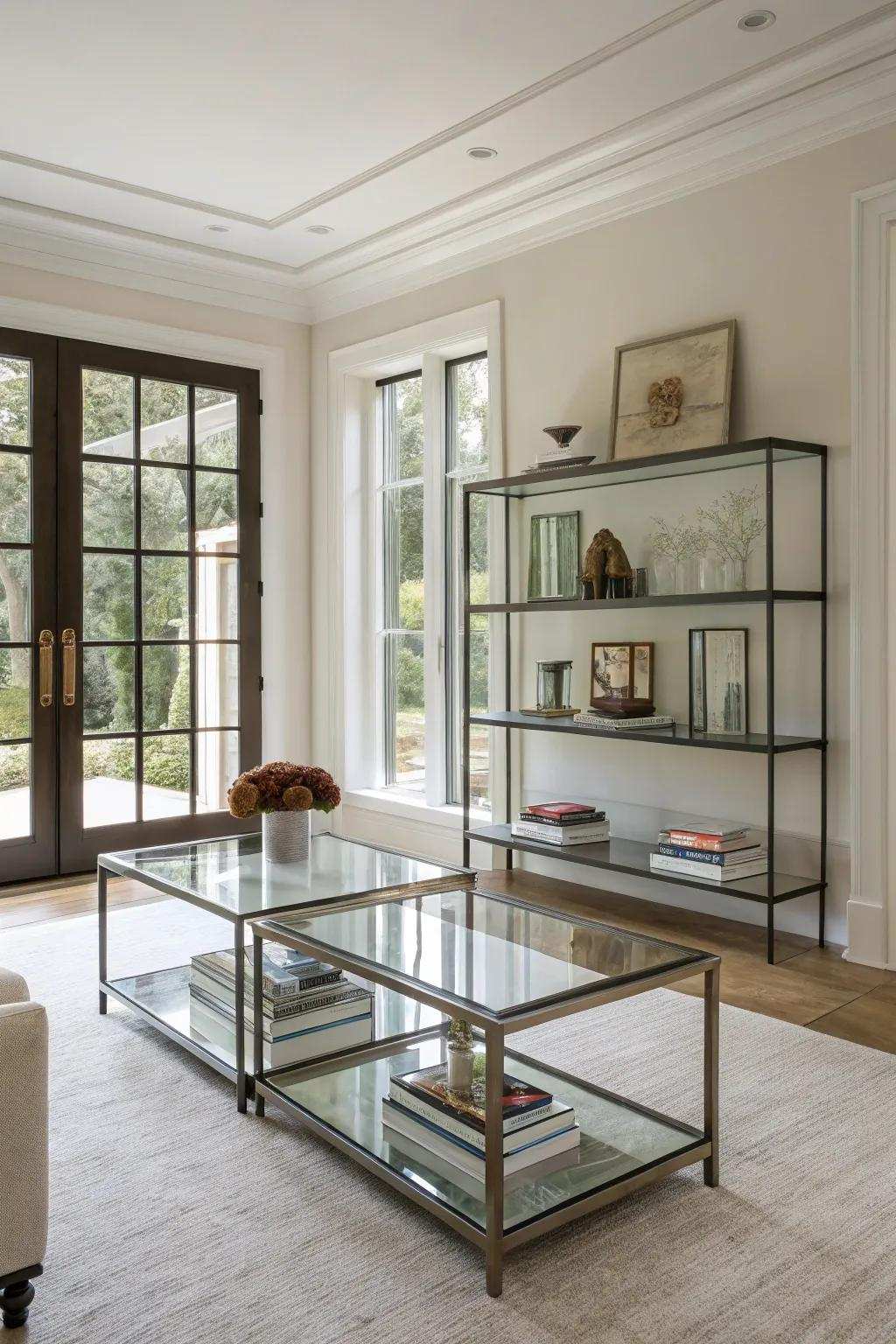
Vitreous elements, such as tables or shelves, can help maintain the openness and lucidity of a minimalist room. By reflecting light and preserving the spacious sensation, these pieces contribute to a sense of airy freedom.
Opt for Furniture with Uncomplicated Outlines
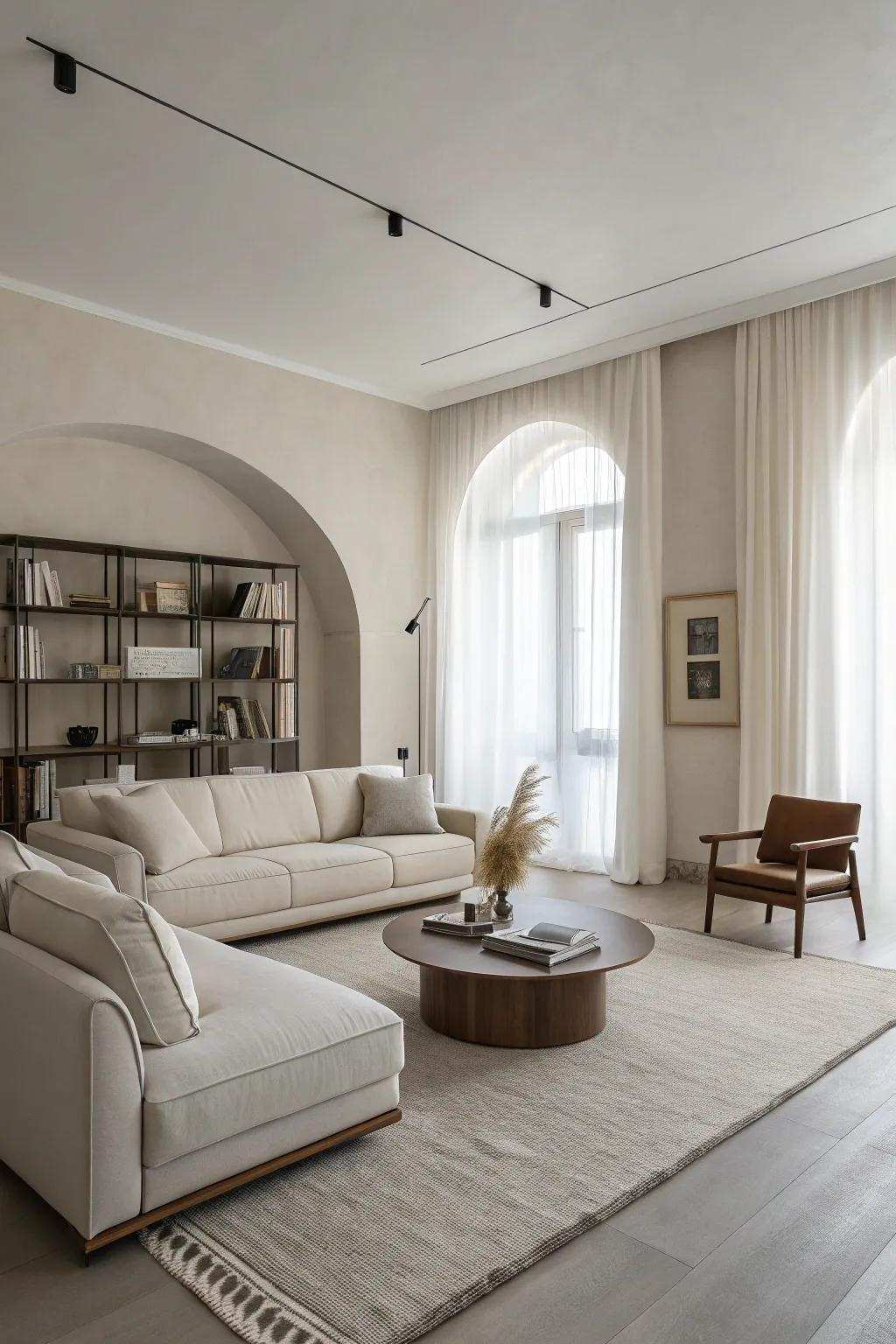
A key element of minimalist design is furniture with uncomplicated and crisp outlines. By choosing pieces with refined, straight lines or subtle curves, designers can heighten the feeling of simplicity within the space and promote a sense of visual cohesion.
Add Dimension with Diverse Textures
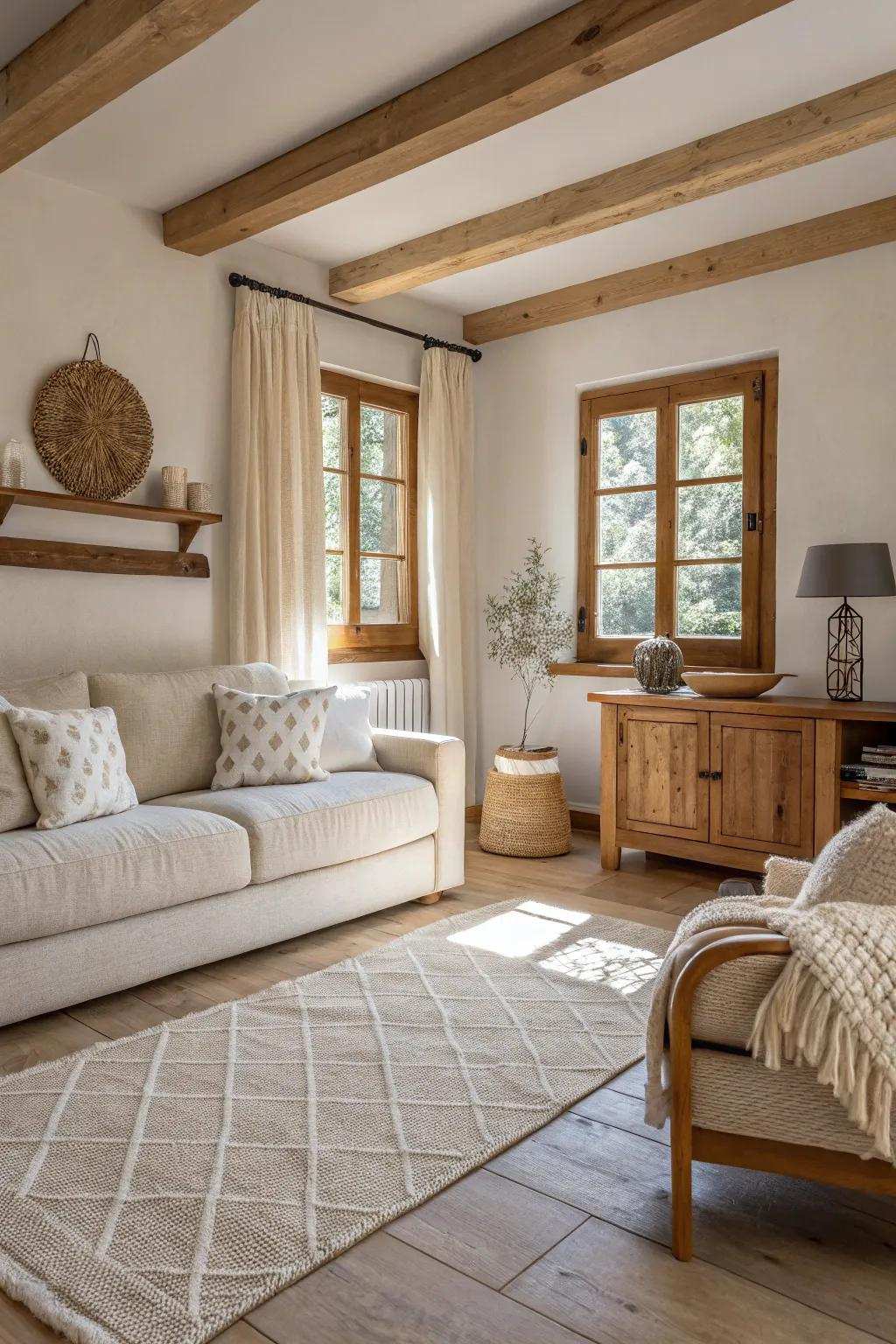
To create visual appeal and prevent monotony, designers can infuse diverse textures into a minimalist room. Incorporating components like wood, plush fabrics, and light upholstery adds dimension and visual interest, making the space feel more dynamic.
Create Focal Points with Strong Emphases
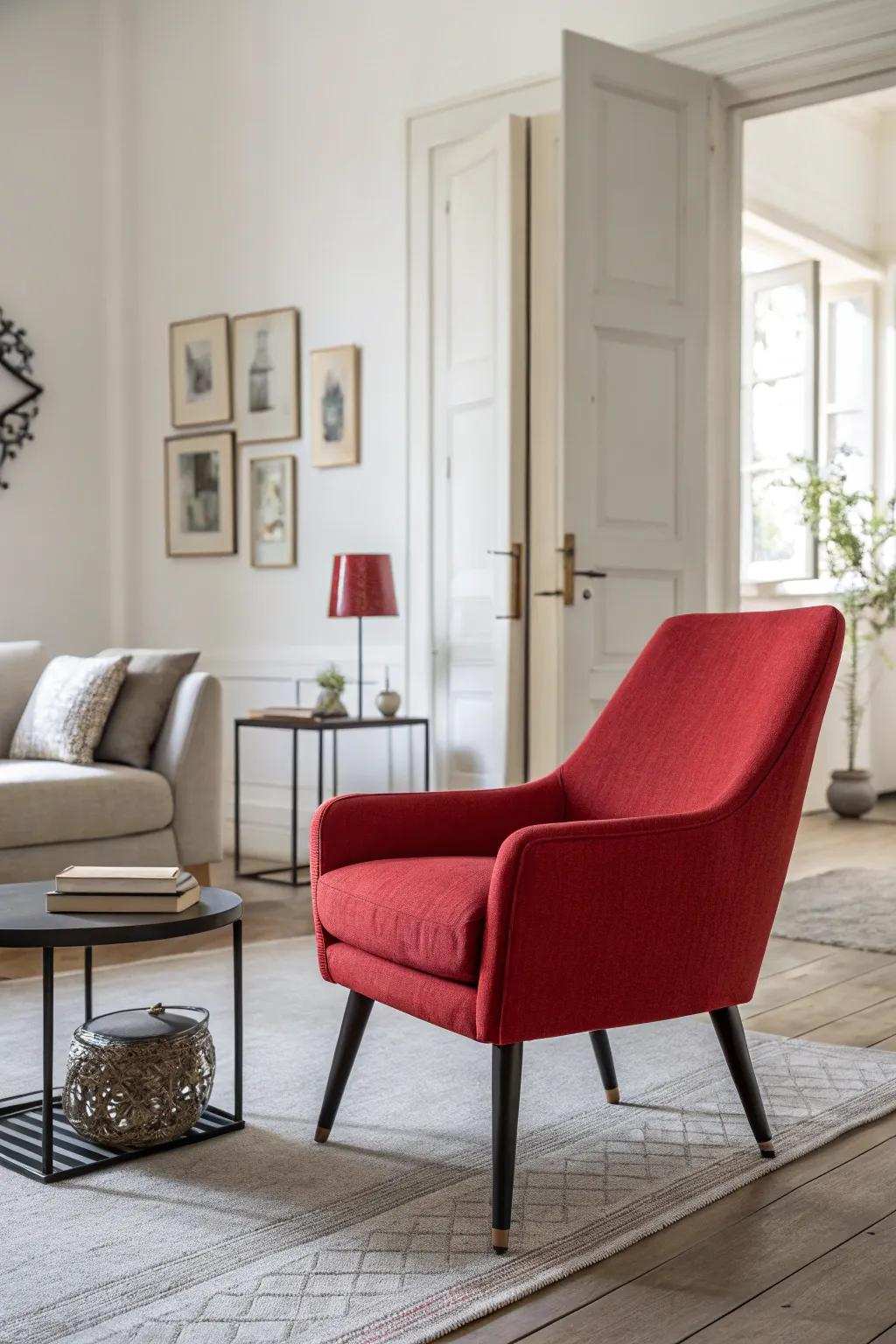
Minimizing distractions is a hallmark of minimalist design, but sometimes a bold, eye-catching element can be a welcome exception. A singular vibrant chair or artwork can serve as a focal point, adding a pop of color and visual excitement without disrupting the overall aesthetic.
Preserve Open Spaces for Better Circulation
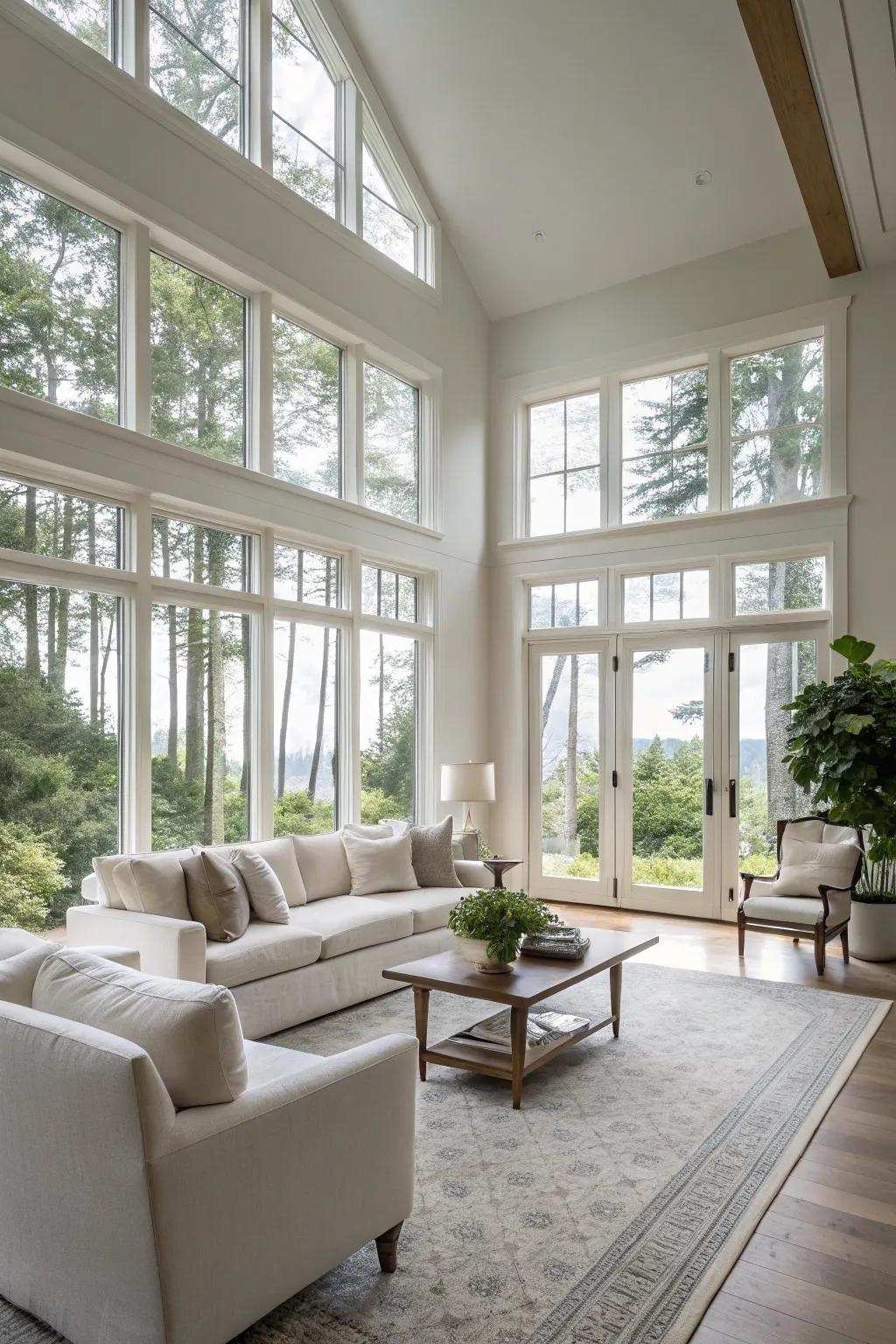
One of the benefits of minimalist design is the emphasis on open spaces and reduced divisions. By minimizing obstructions, designers can create a sense of airy freedom and improve circulation, making the room feel larger and more welcoming.
Experiment with Bi-Shaded Walls for Dimension
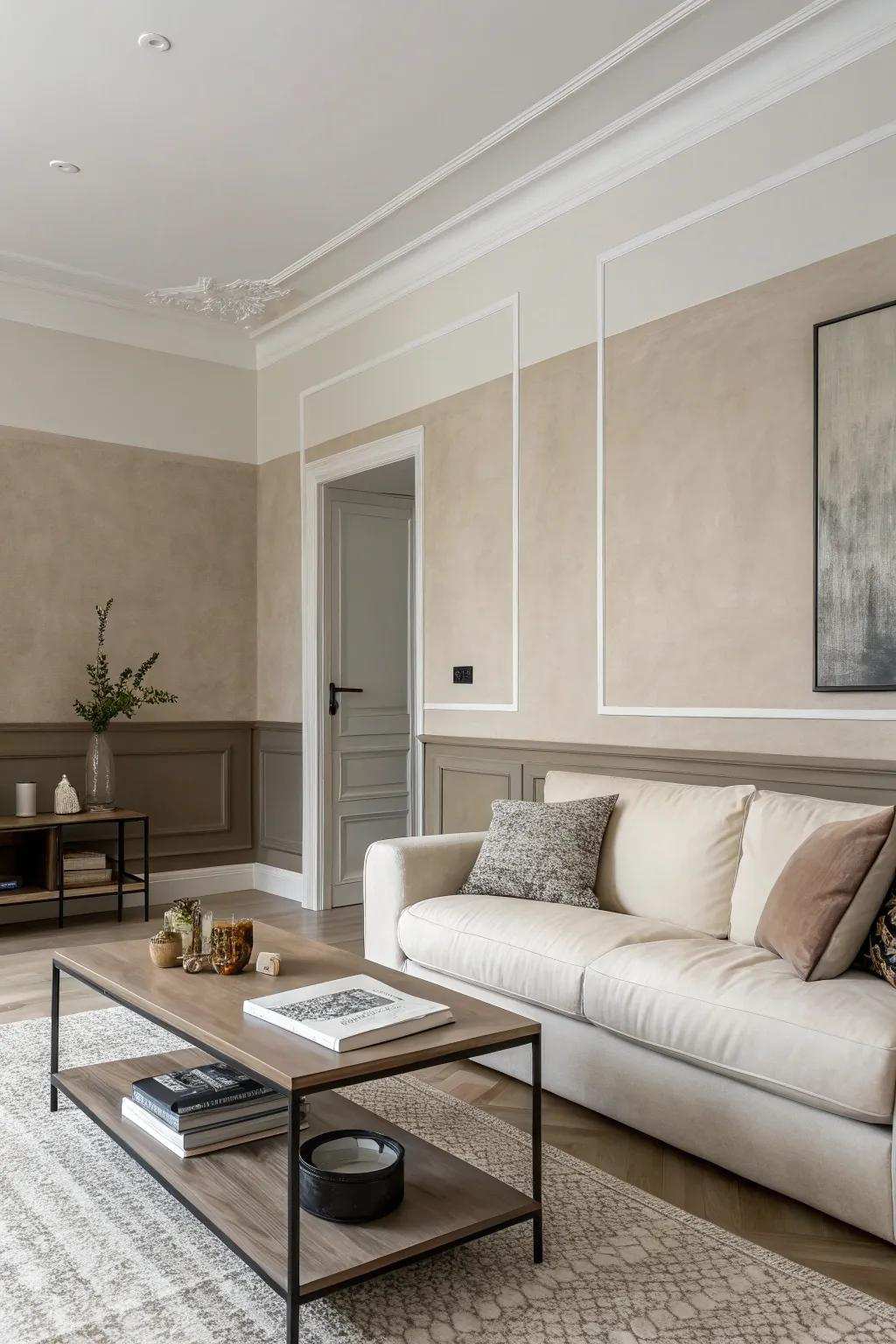
Bi-shaded walls in subdued hues can contribute dimension and visual interest to a minimalist room without cluttering the space. This subtle approach can also highlight architectural features and create a sense of visual intrigue.
Harness the Power of Natural Light
Designers can capitalize on sunlight by incorporating expansive windows or glazed doors. By maximizing natural light, they can brighten the space and create a more welcoming atmosphere, perfect for promoting a sense of calm and well-being.
Bring the Outdoors In with Greenery
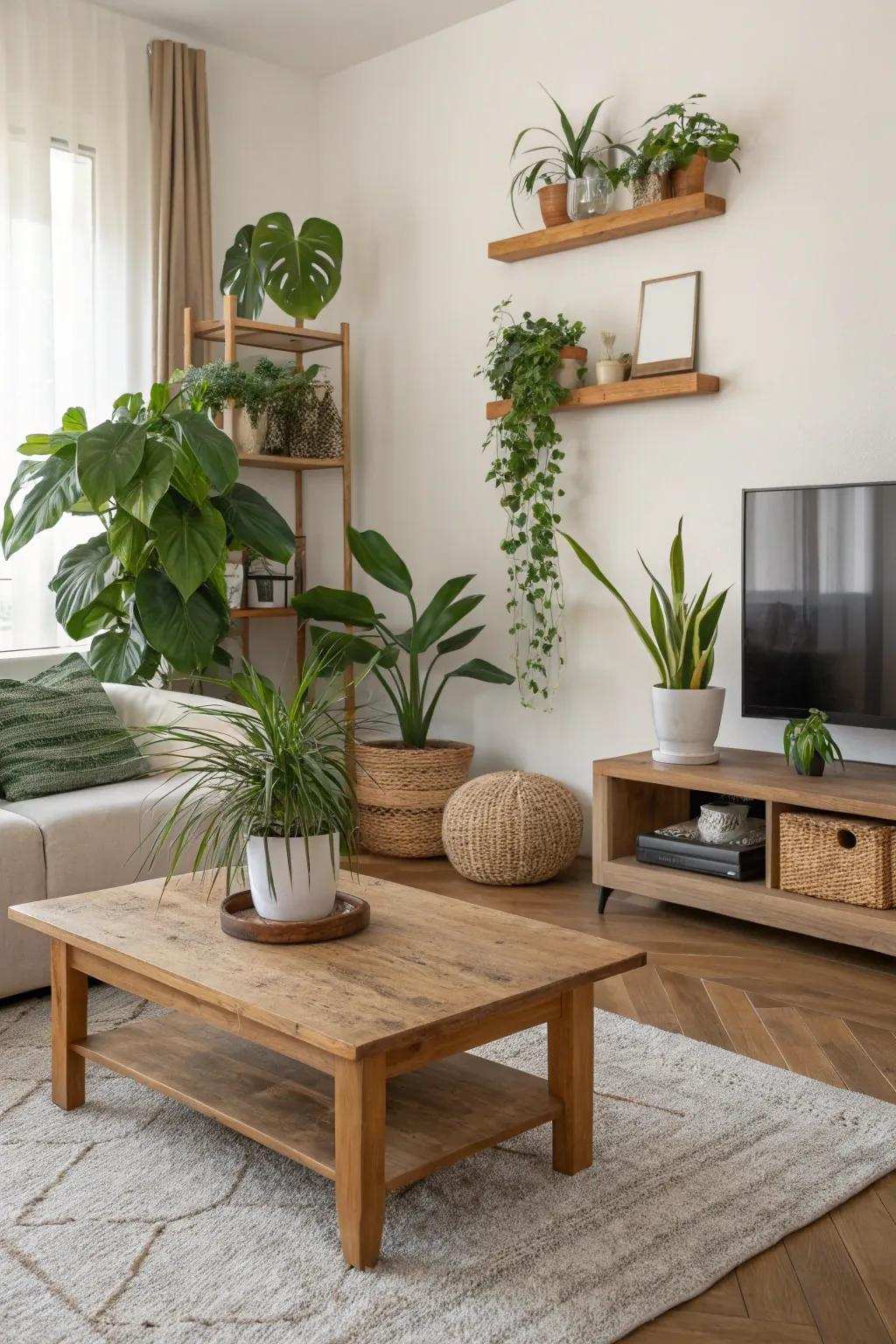
Incorporating greenery into a minimalist room can add a touch of natural elegance and vitality. Plants contribute warmth and visual interest without overpowering the minimalist aesthetic, creating a harmonious balance between nature and design.
Create a Point of Emphasis with Distinctive Pieces
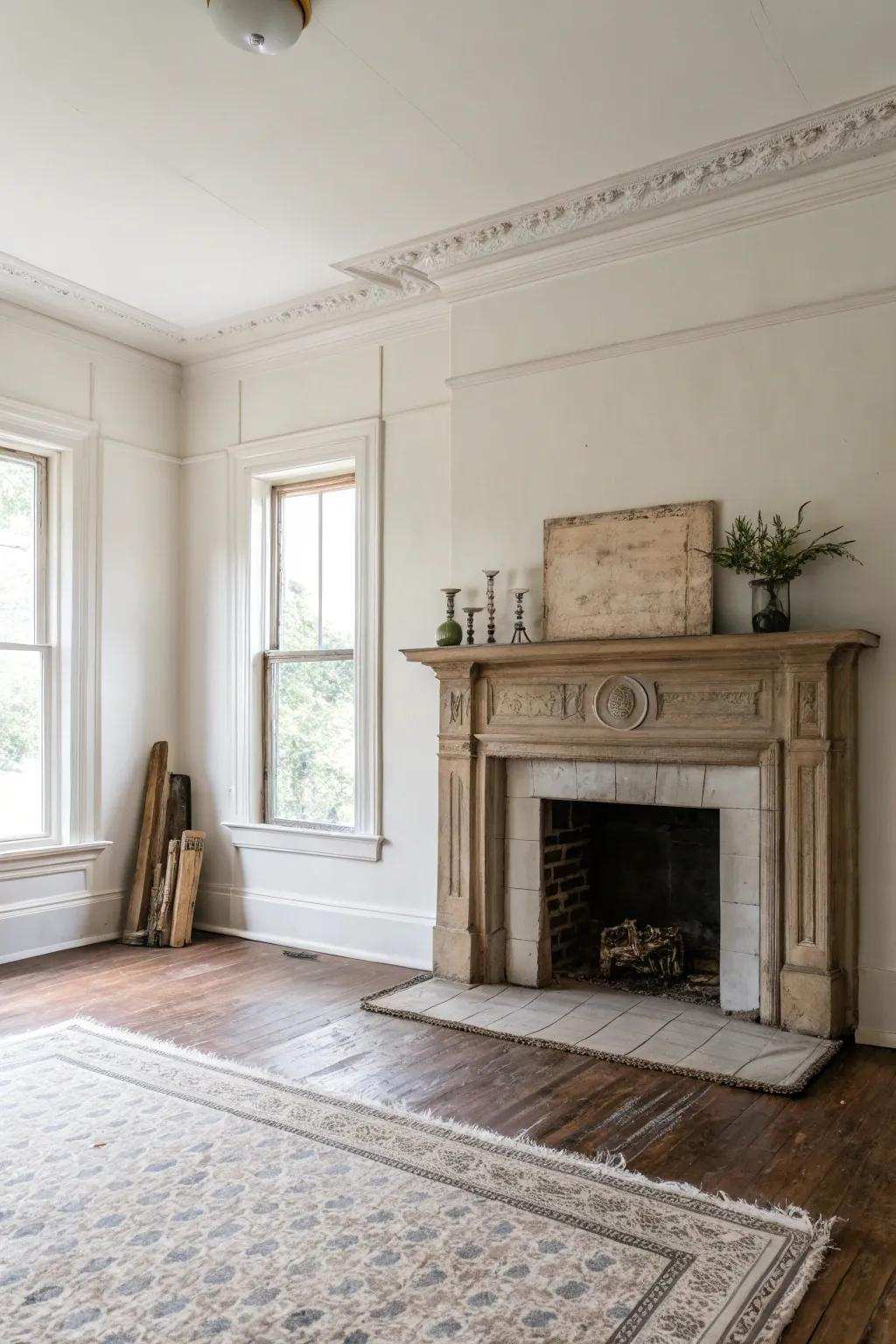
A distinctive piece, such as a vintage mantel or oversized looking glass, can serve as a point of emphasis and draw the eye. This creates a focal point that establishes the ambiance for the minimalist space and encourages exploration.
Showcase Uncomplicated Art and Decor
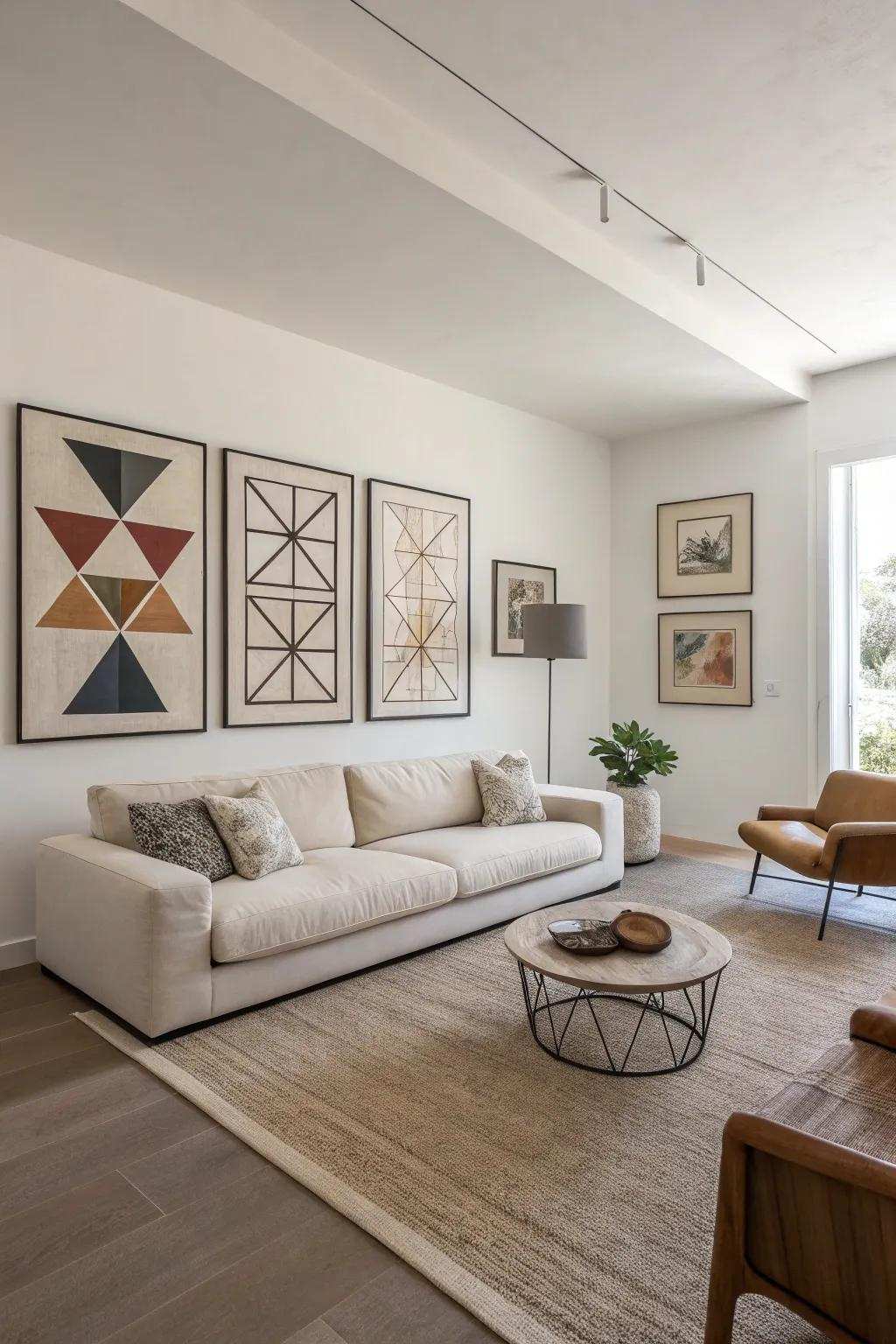
Uncomplicated artwork or photography featuring geometric or abstract patterns can enhance the minimalist theme while adding a personal touch. This style of décor promotes visual cohesion and creates a sense of visual harmony within the space.
Establish a Soothing Color Story
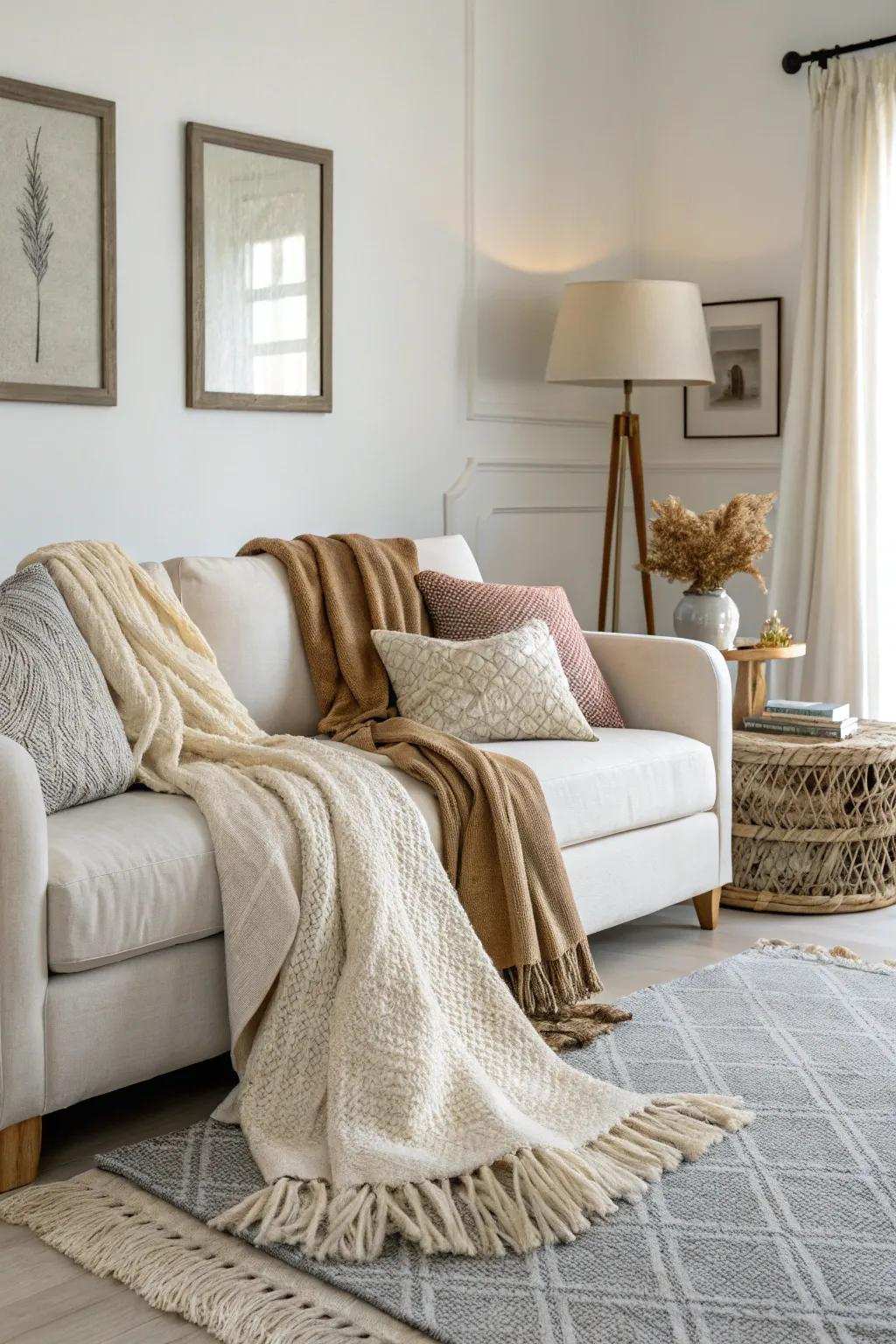
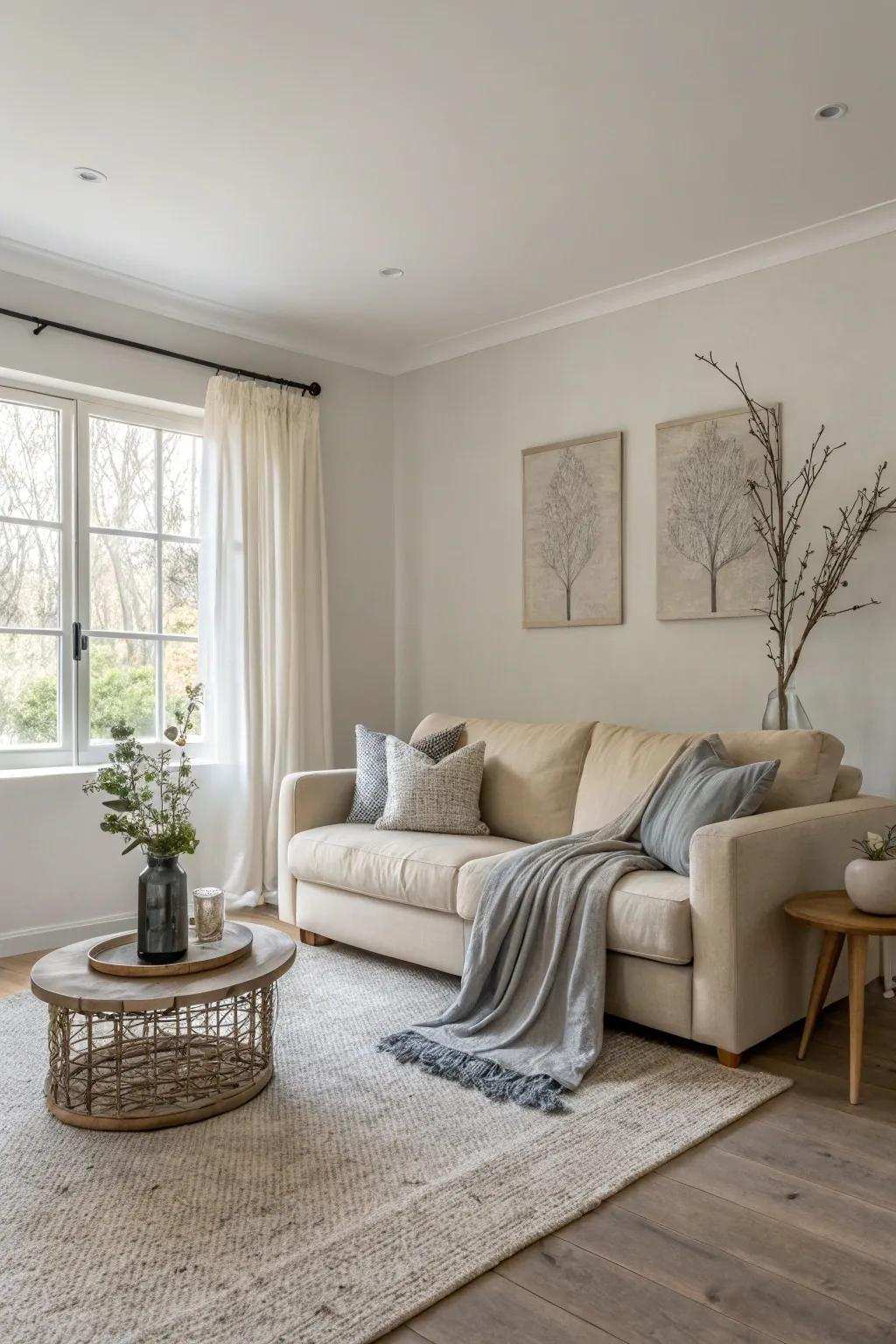
Designers can start with a subdued color story featuring whites, beiges, and gentle grays to create a tranquil and peaceful setting. These shades impart an airy and spacious ambiance to a room, ideal for unwinding and relaxation.
Add Cozy Embellishments for Warmth and Comfort
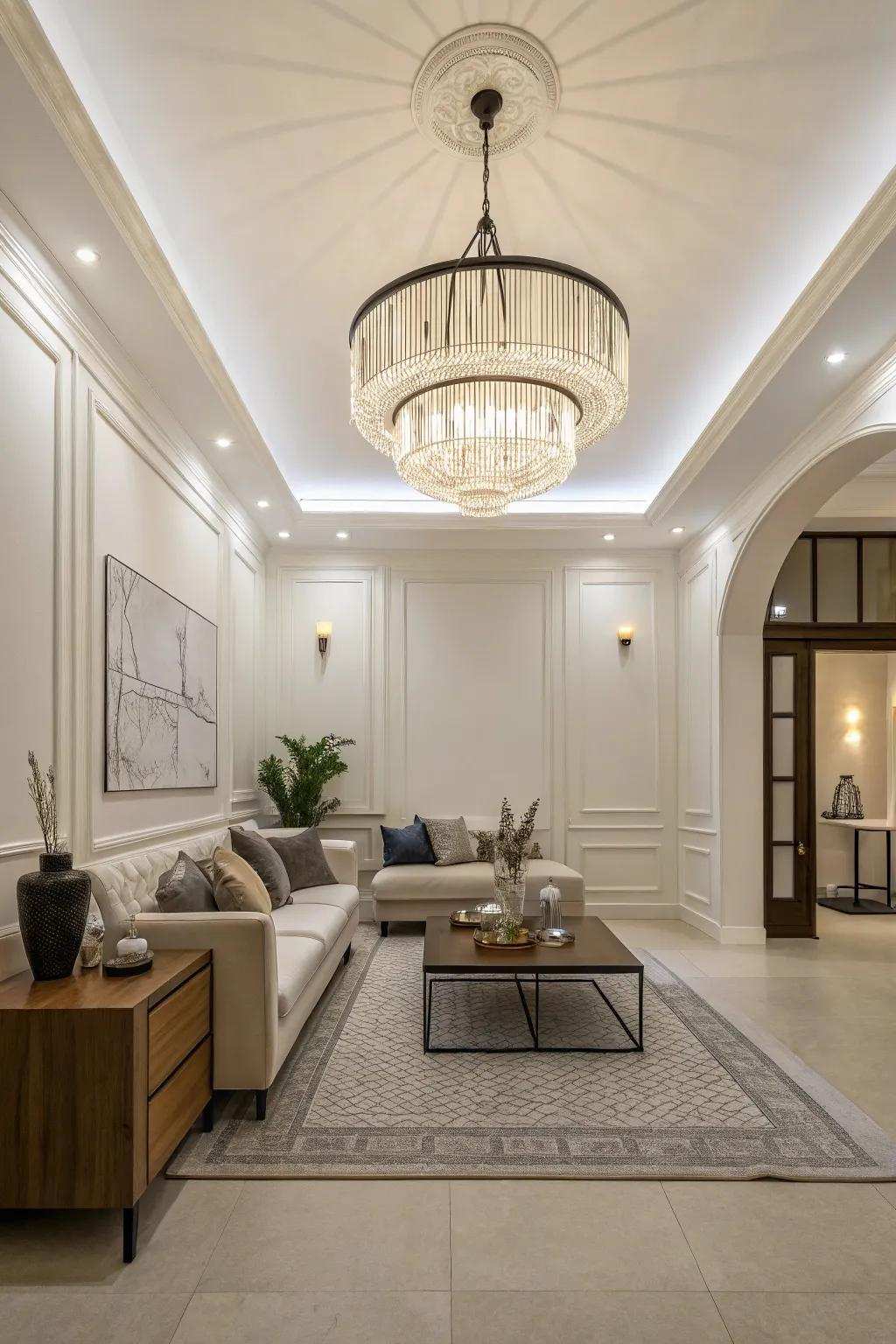
Cozy embellishments like gentle throws and cushions can transform a minimalist room into a snug retreat. A few well-placed items can render the space more alluring and inviting, creating a sense of warmth and comfort that’s perfect for relaxation.
Elevating Spaces with Light Installations
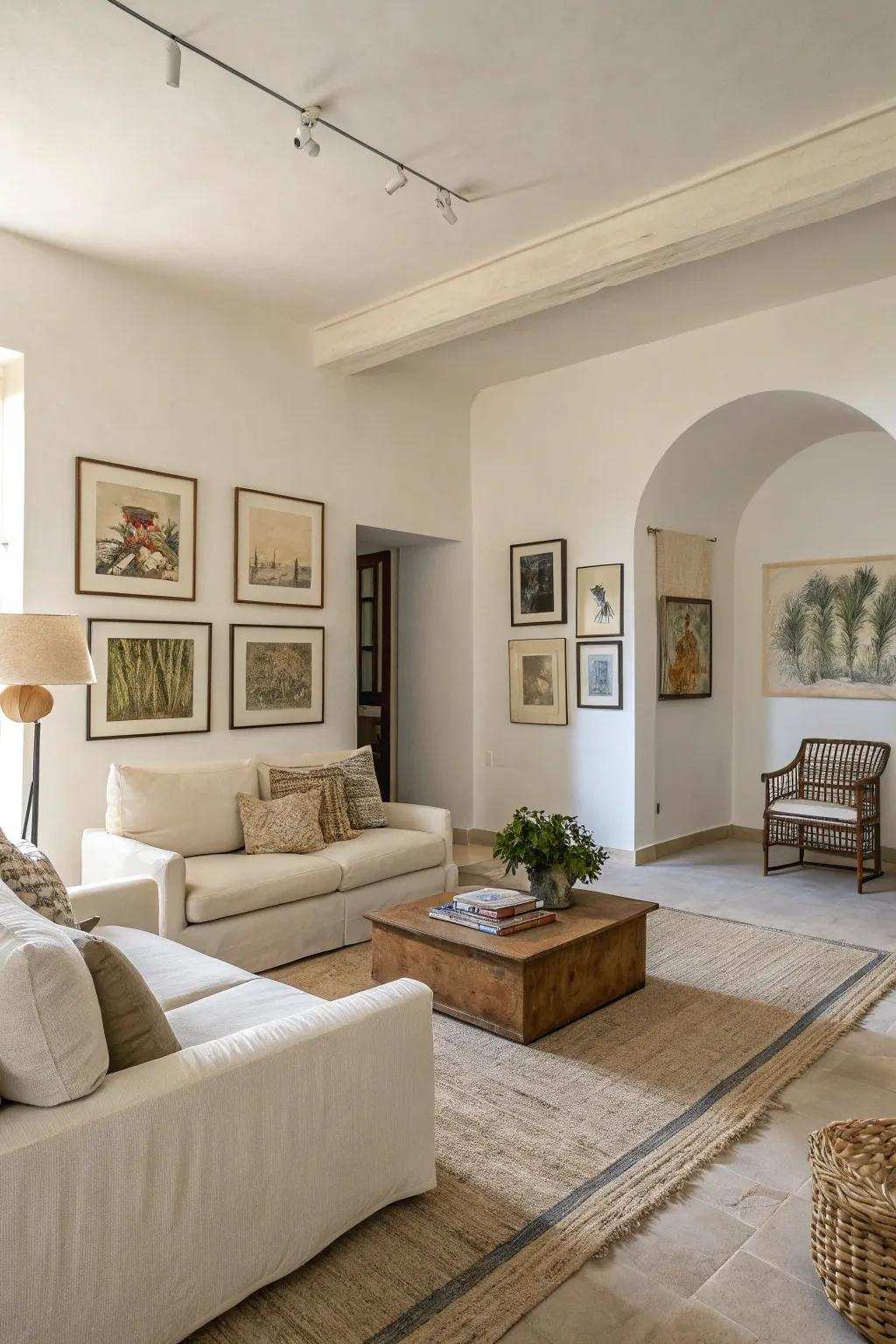
Well-planned light installations can not only provide functional illumination but also serve as striking works of art that amplify the minimalist aesthetic of a room. A thoughtfully chosen fixture can transform a space into a visually captivating and modern environment.
Streamlining Ornamentation
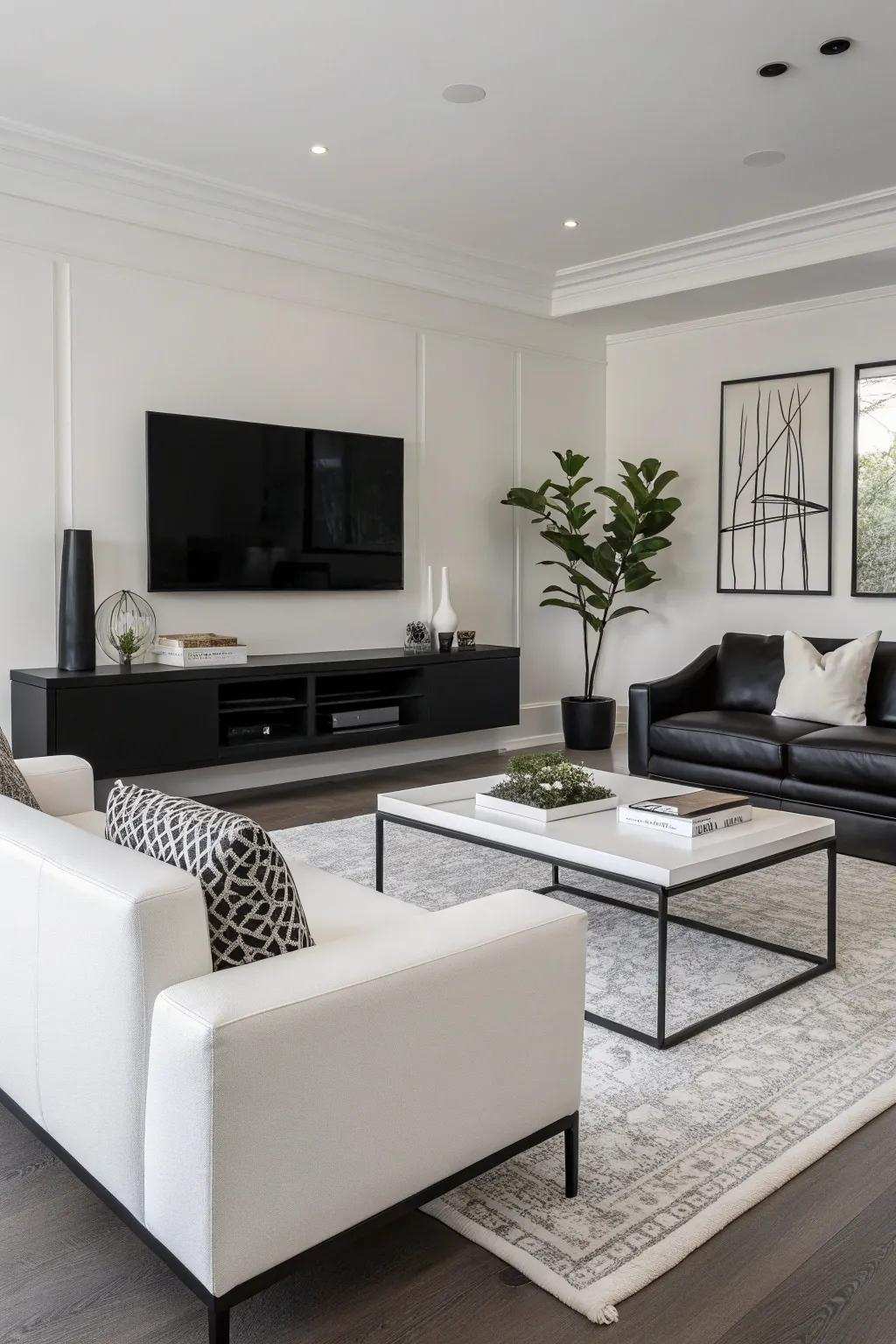
Minimalist ornamentation is key to maintaining a streamlined and clutter-free space. A curated selection of essential pieces, such as sleek vases or minimalist artwork, can significantly enhance the room’s overall aesthetic. Each item should be carefully chosen to complement the minimalist design scheme.
Achieving Visual Harmony with Monochrome
Embracing a monochrome color palette can create a sense of serenity and visual drama. By limiting the color options, homeowners can achieve a cohesive and harmonious look that reinforces the minimalist design principles. This approach can be particularly effective in creating a calming atmosphere.
Maximizing Space with Multifunctional Furnishings
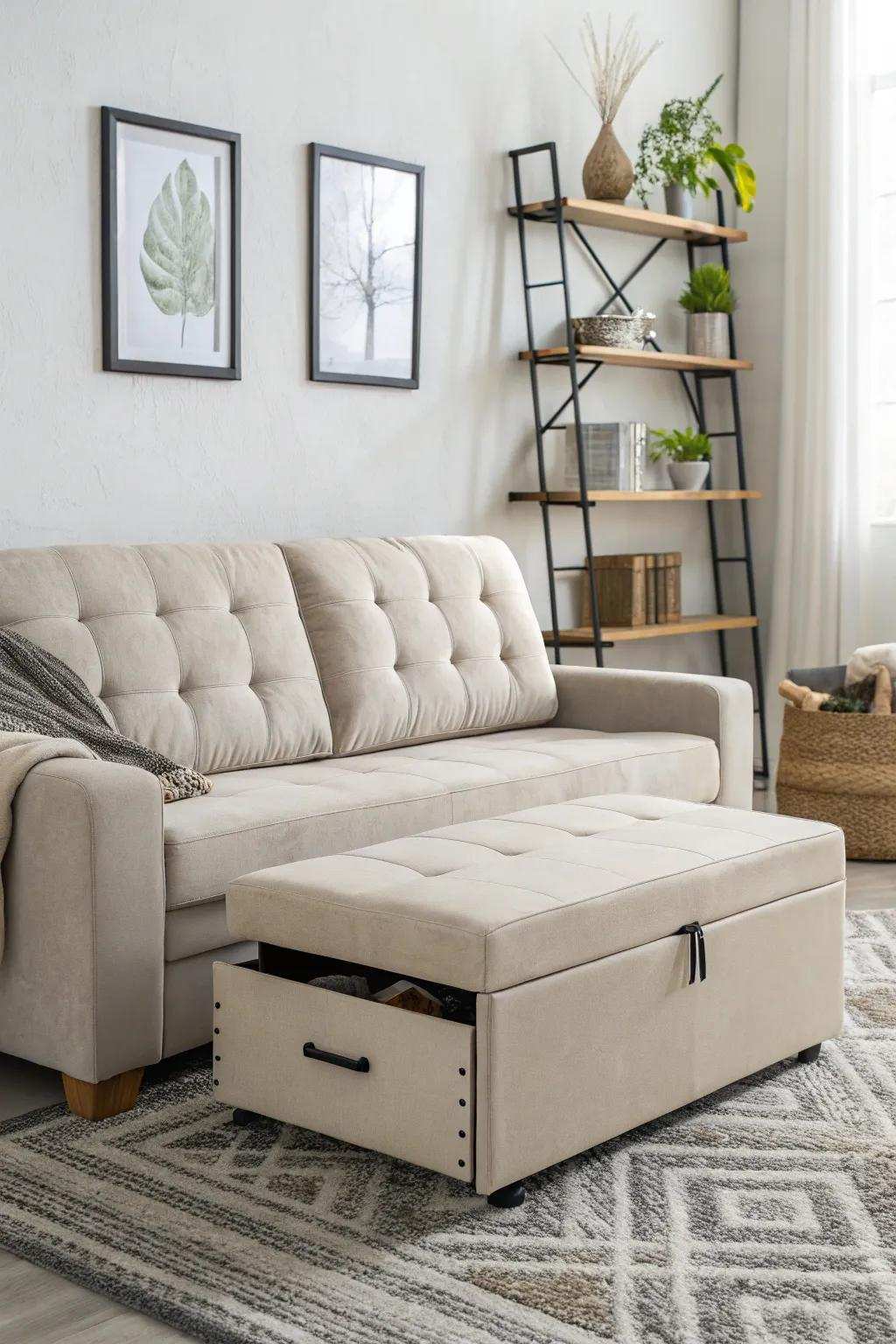
Multifunctional furnishings are an excellent way to optimize space and maintain a clutter-free environment. Items such as convertible sofas or storage chests can serve multiple purposes, thereby reducing visual clutter and maximizing spatial efficiency. This strategy is essential for creating a seamless and minimalist living space.
Highlighting Structural Features
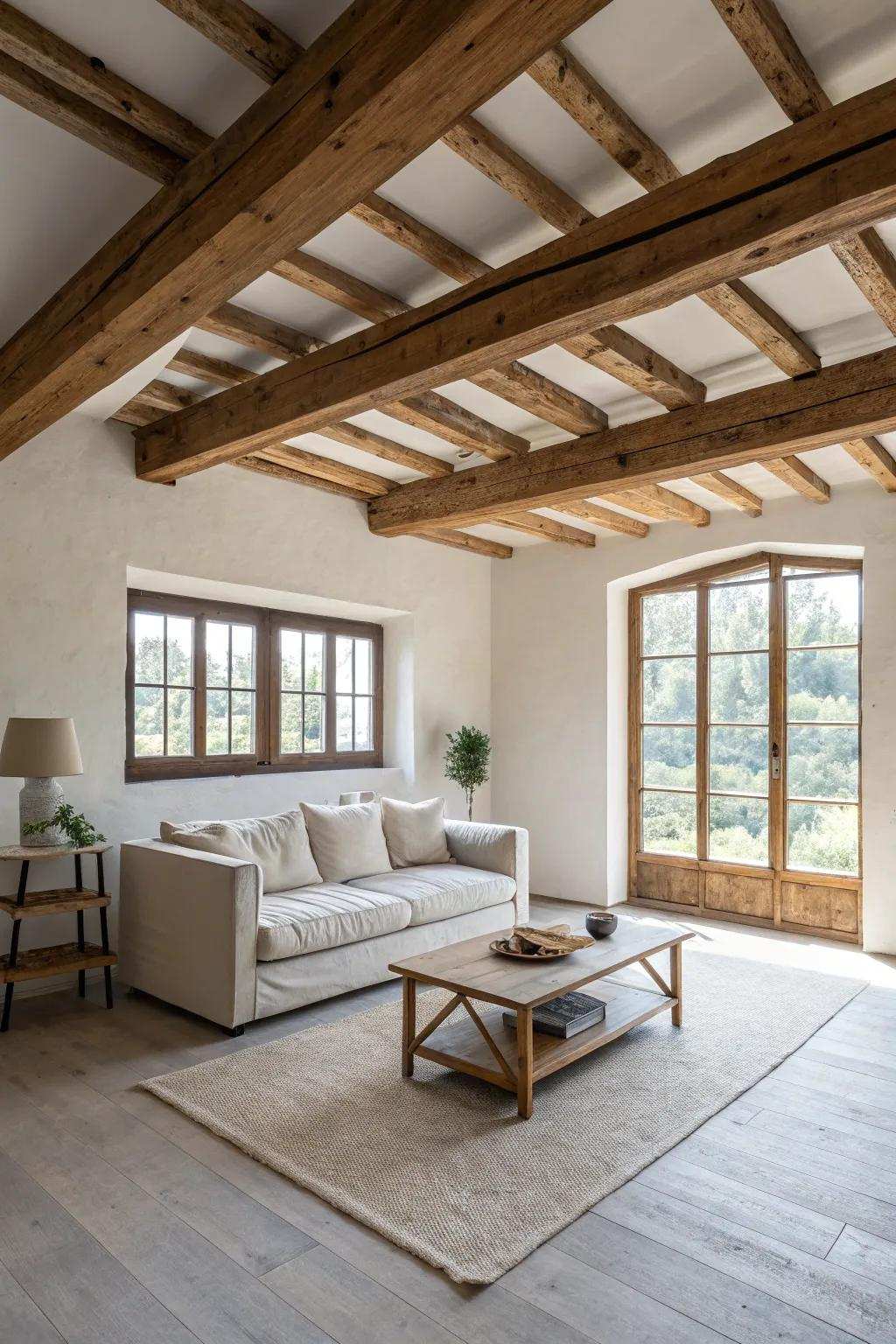
Exposed structural attributes like joists or uprights can add a touch of character to a room without overpowering the minimalist design. By showcasing these features, homeowners can inject a sense of history and authenticity into the space while maintaining a clean and uncluttered aesthetic.