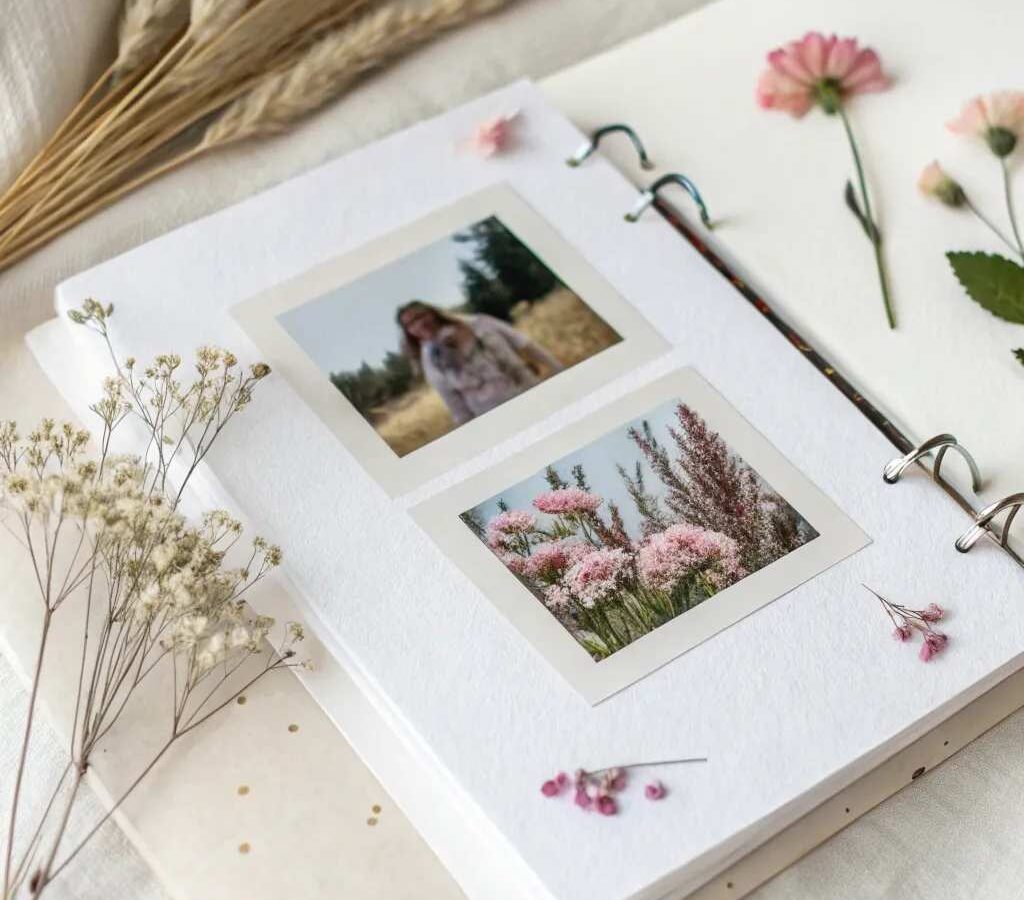
Preserving cherished memories in a scrapbook is a thoughtful approach that allows you to showcase your most treasured moments. The generous space of a 12×12 page offers an ideal canvas for unleashing your creativity and imagination. From seasoned scrapbooking enthusiasts to newcomers, these suggestions will spark your interest and empower you to craft unique, breathtaking pages that truly reflect your personality.
Organize with a Grid Design
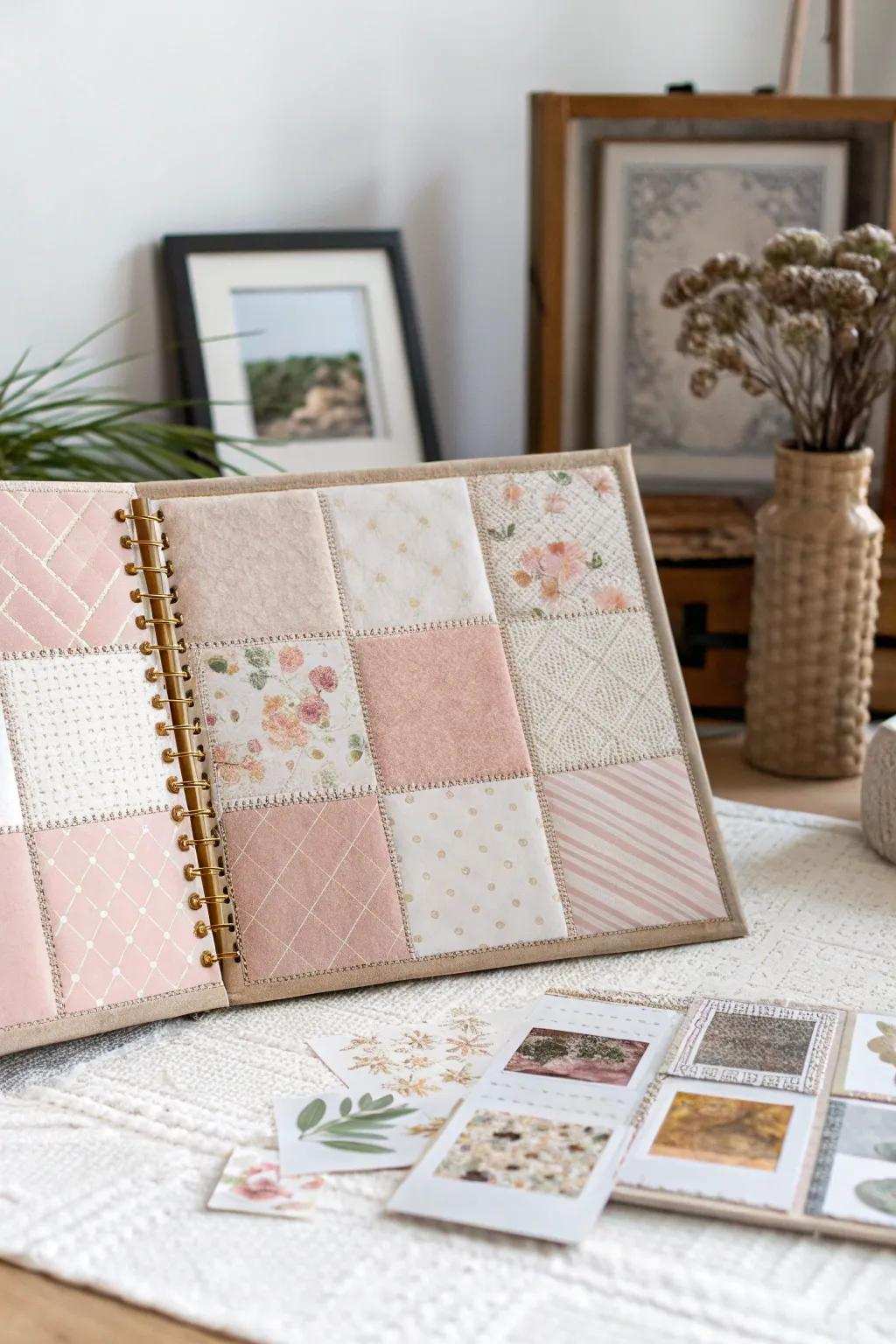
A well-planned grid layout enables photographers to showcase their photos in a clean and structured manner, adding a touch of sophistication to their visual storytelling. By using a grid, photographers can create a sense of order, allowing individual images to take center stage while maintaining a cohesive look.
Use See-Through Layers
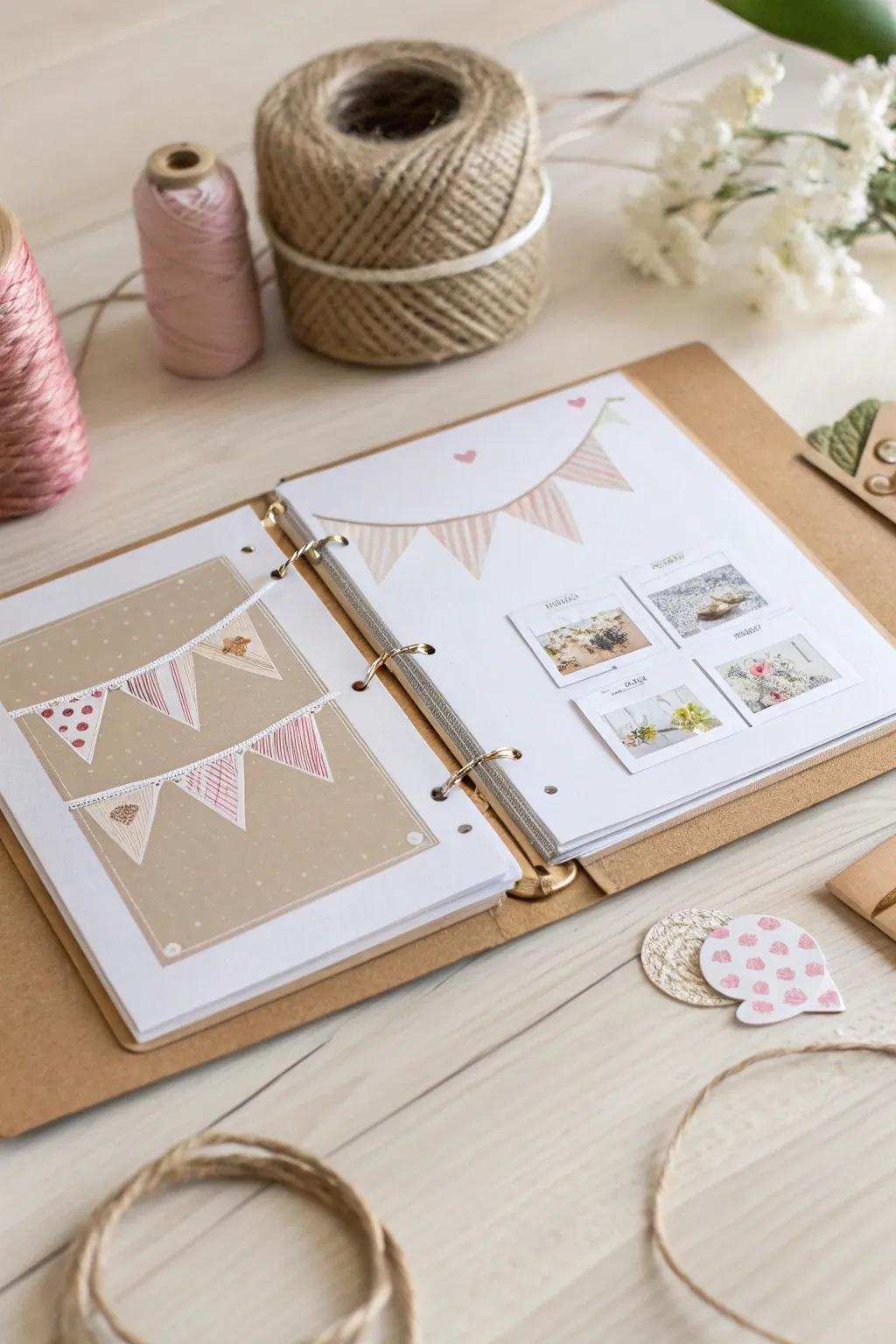
See-through layers, such as see-through paper or transparent overlays, can be used to add an air of intrigue to a design without overwhelming the senses. This subtle approach can add depth to a layout without detracting from its overall simplicity.
Use a Quilt-Like Background
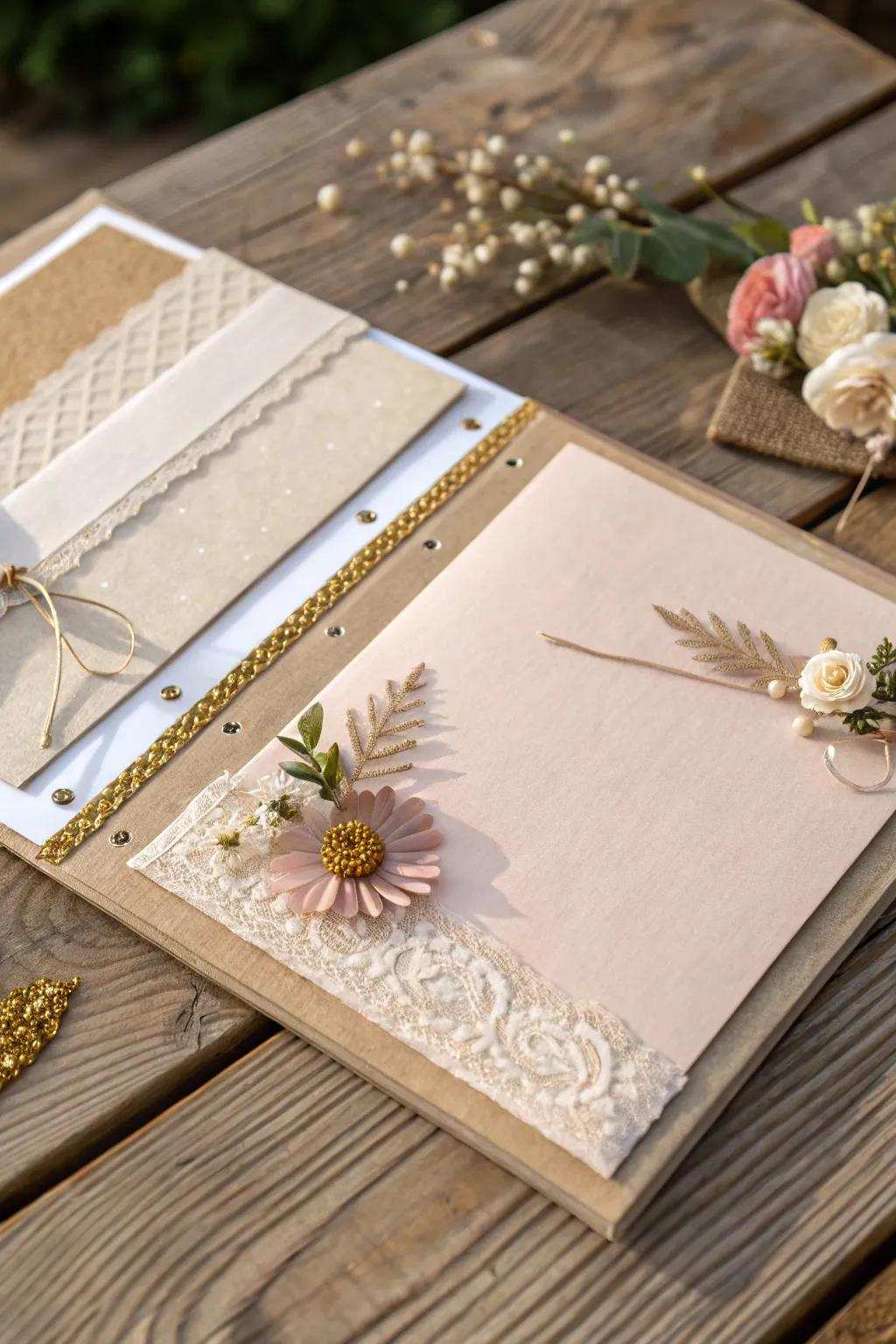
A patchwork background can be used to add texture and visual interest to a design. By combining different papers or materials, photographers can create a quilt-like effect that adds character to their visual narrative.
Add Decorations
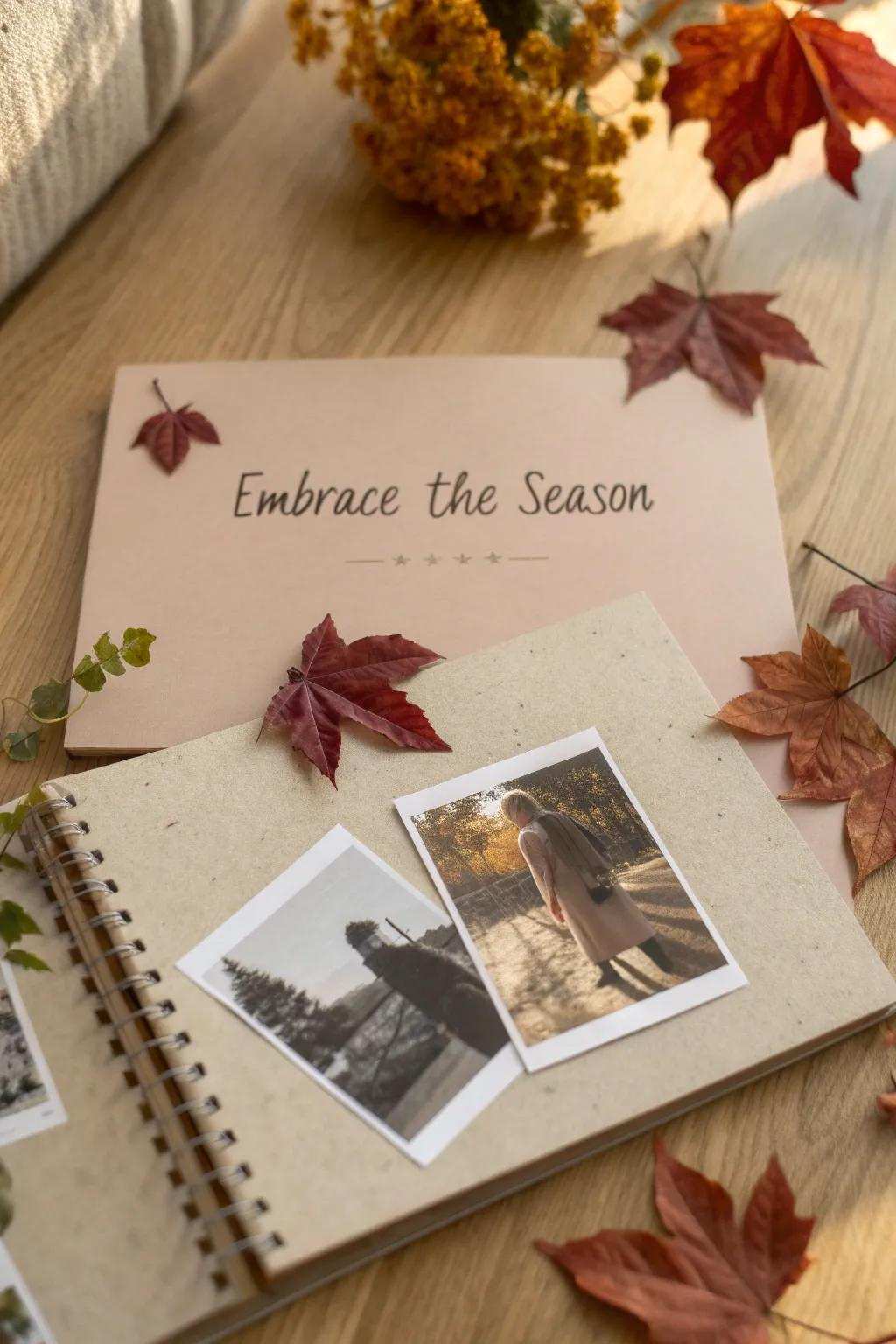
The strategic addition of decorations like banners, frames, and embellishments can elevate a design and give it a unique personality. By incorporating small charms and stickers, photographers can add a touch of whimsy to their pages, making each one a distinctive reflection of their creative vision.
Try Layering Effects
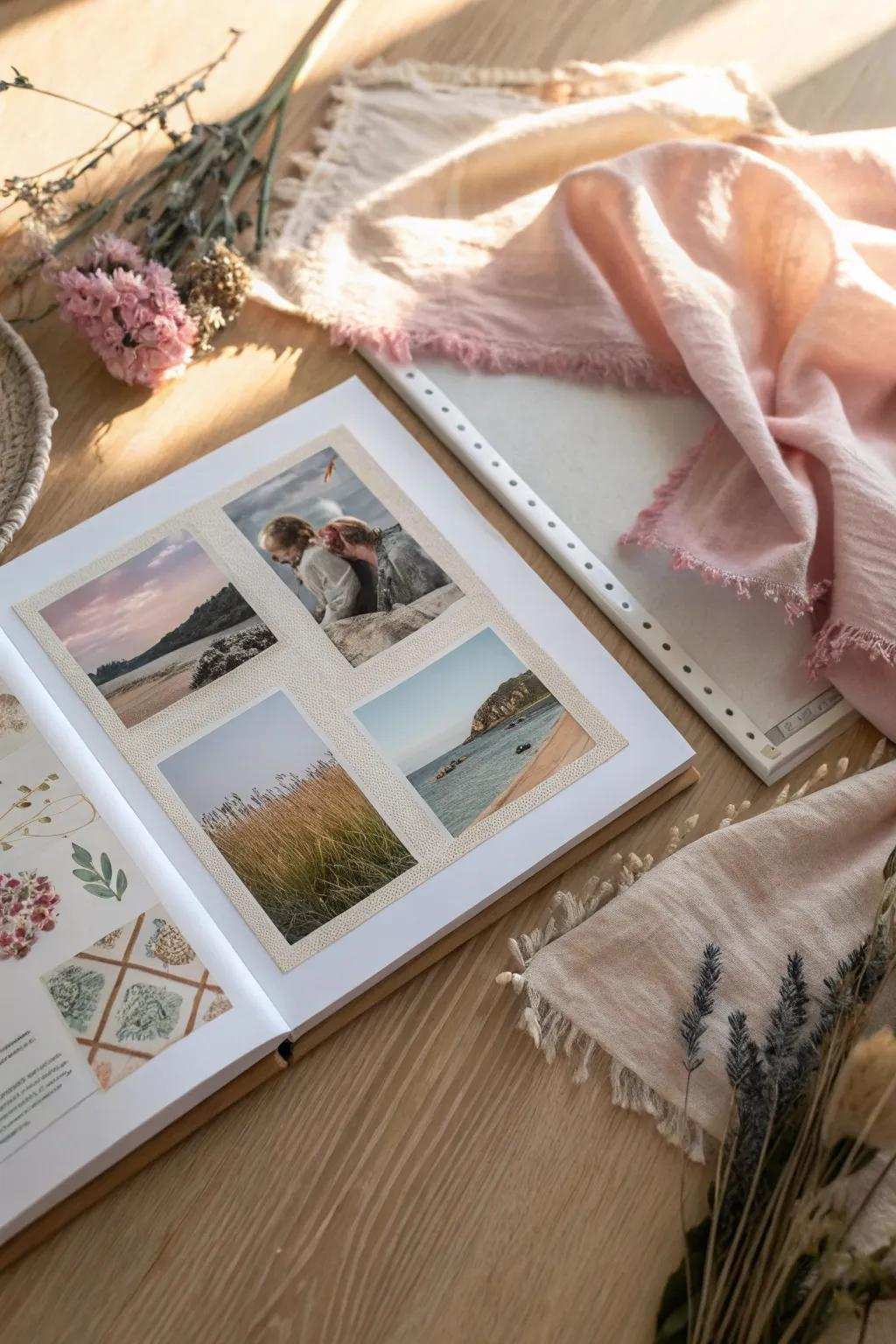
Layering paper and decorations can add a new dimension to a design, creating a sense of depth and visual interest. By experimenting with different materials, such as see-through paper and cardstock, photographers can create complex layered effects that add depth to their visual storytelling.
Go for Themed Layouts
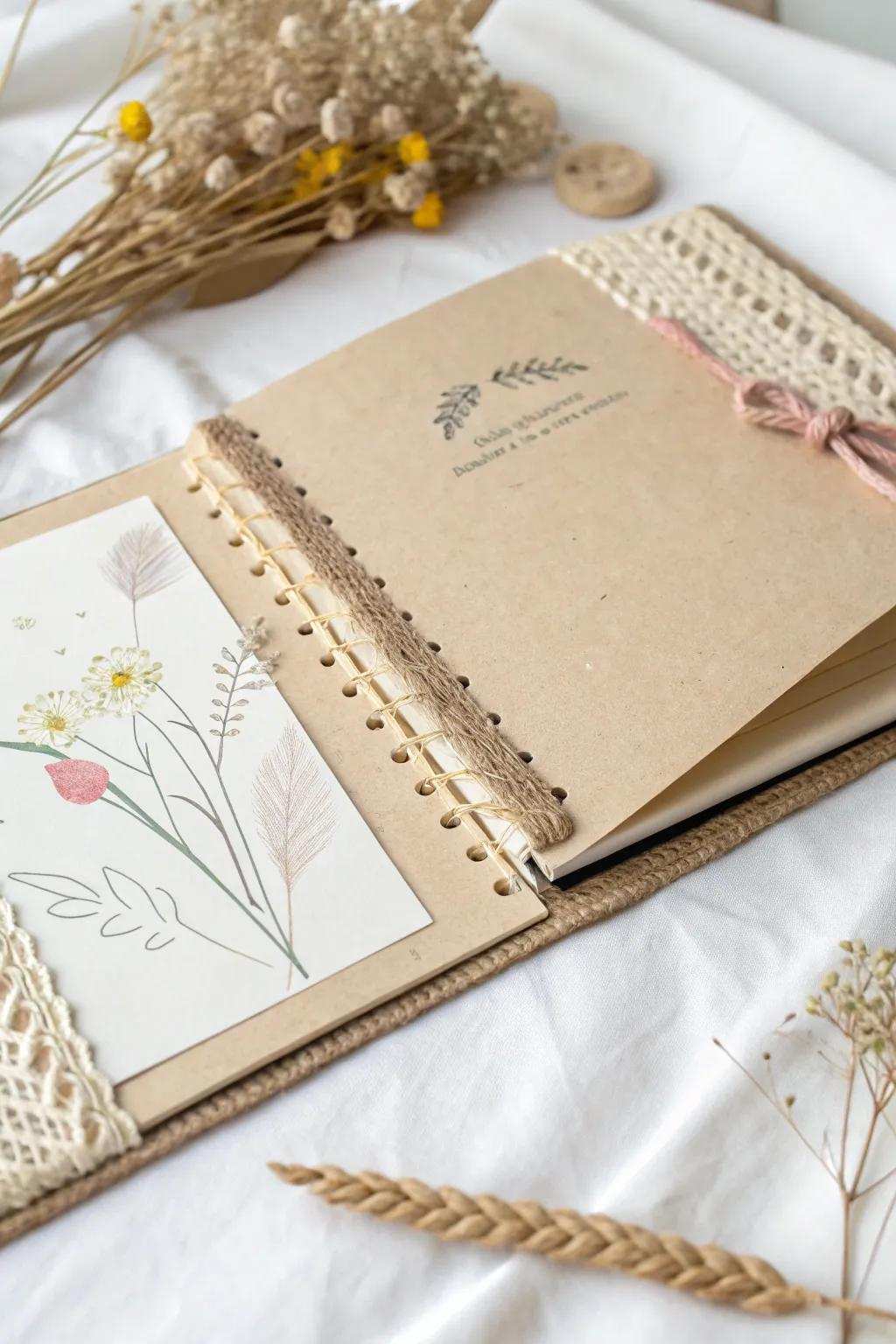
Creating a design centered around a specific theme, such as an old-fashioned or nature-inspired aesthetic, can help tie a layout together and create a cohesive visual narrative. By basing a design around a clear theme, photographers can convey their message more effectively and engage their audience on a deeper level.
Frame Photos with Material
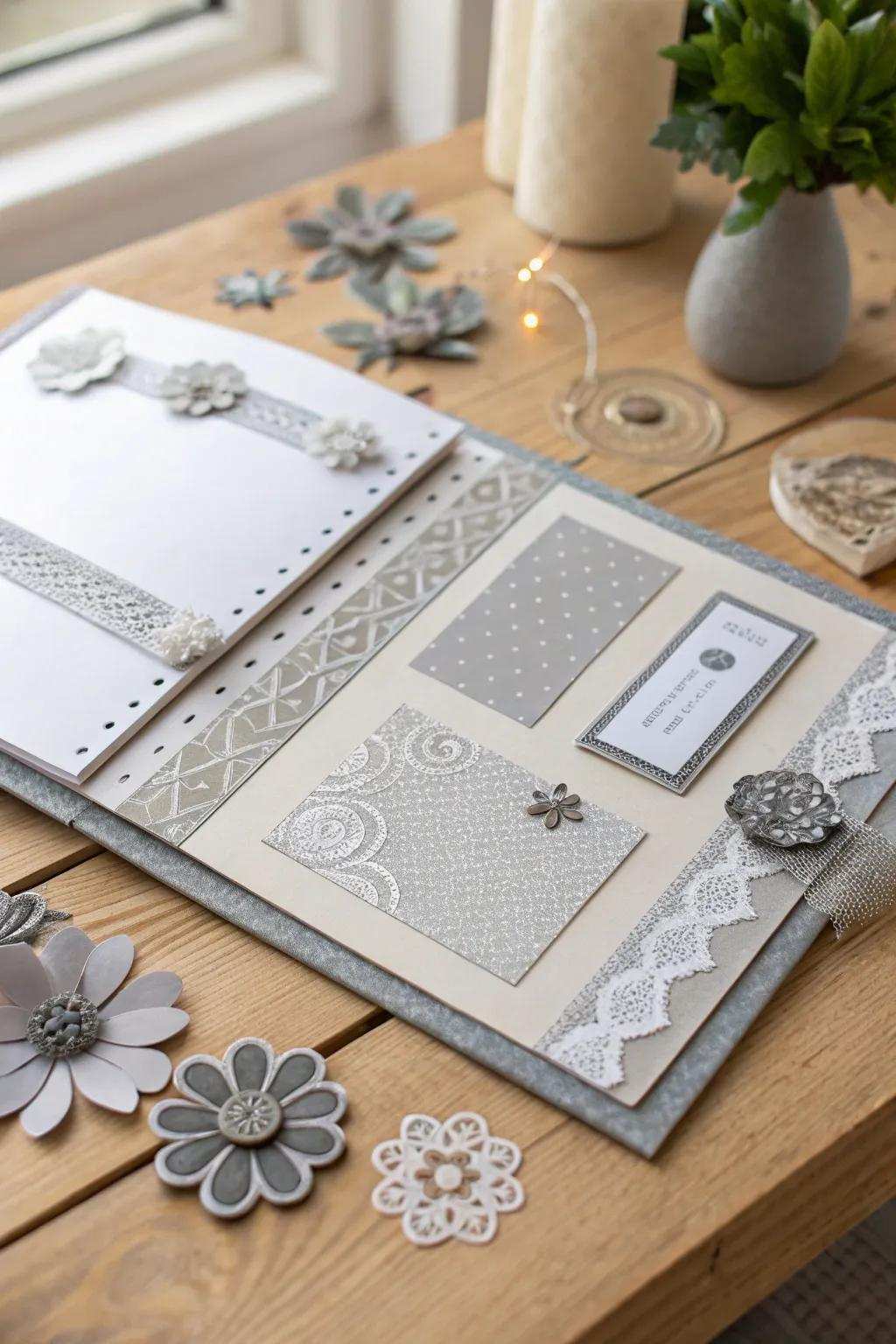
Using fabric pieces to frame photos can create a tactile experience for viewers, making the design more engaging and interactive. This approach is particularly useful for photographers who want to incorporate their love of fabric and textiles into their visual storytelling.
Include a Secret Spot
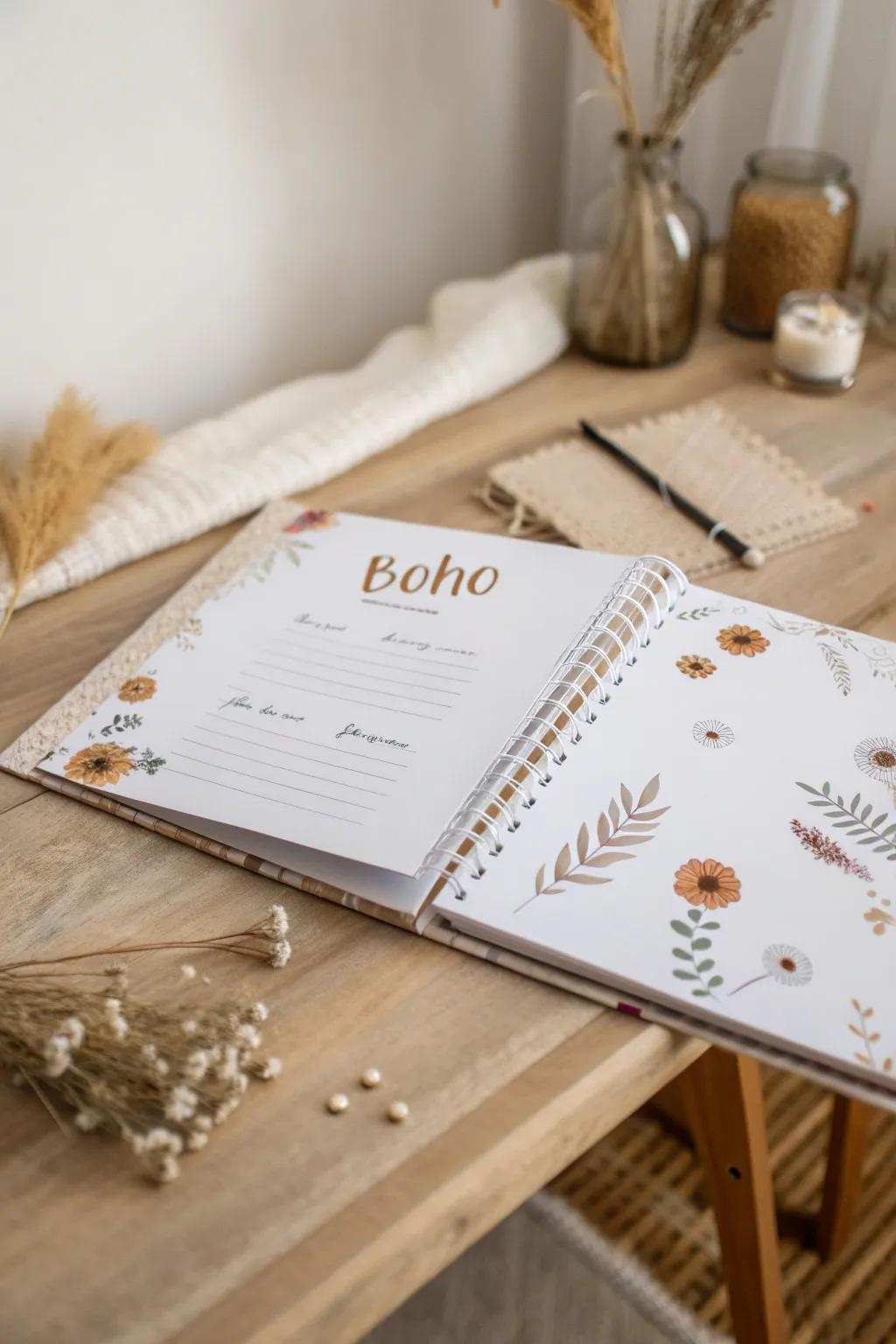
Including a secret spot or hidden compartment on a page can add a fun and interactive element to a scrapbook or photo album. This hidden space can be used to store extra photos, notes, or mementos, making the design more engaging and participatory.
Use One Color for Elegance
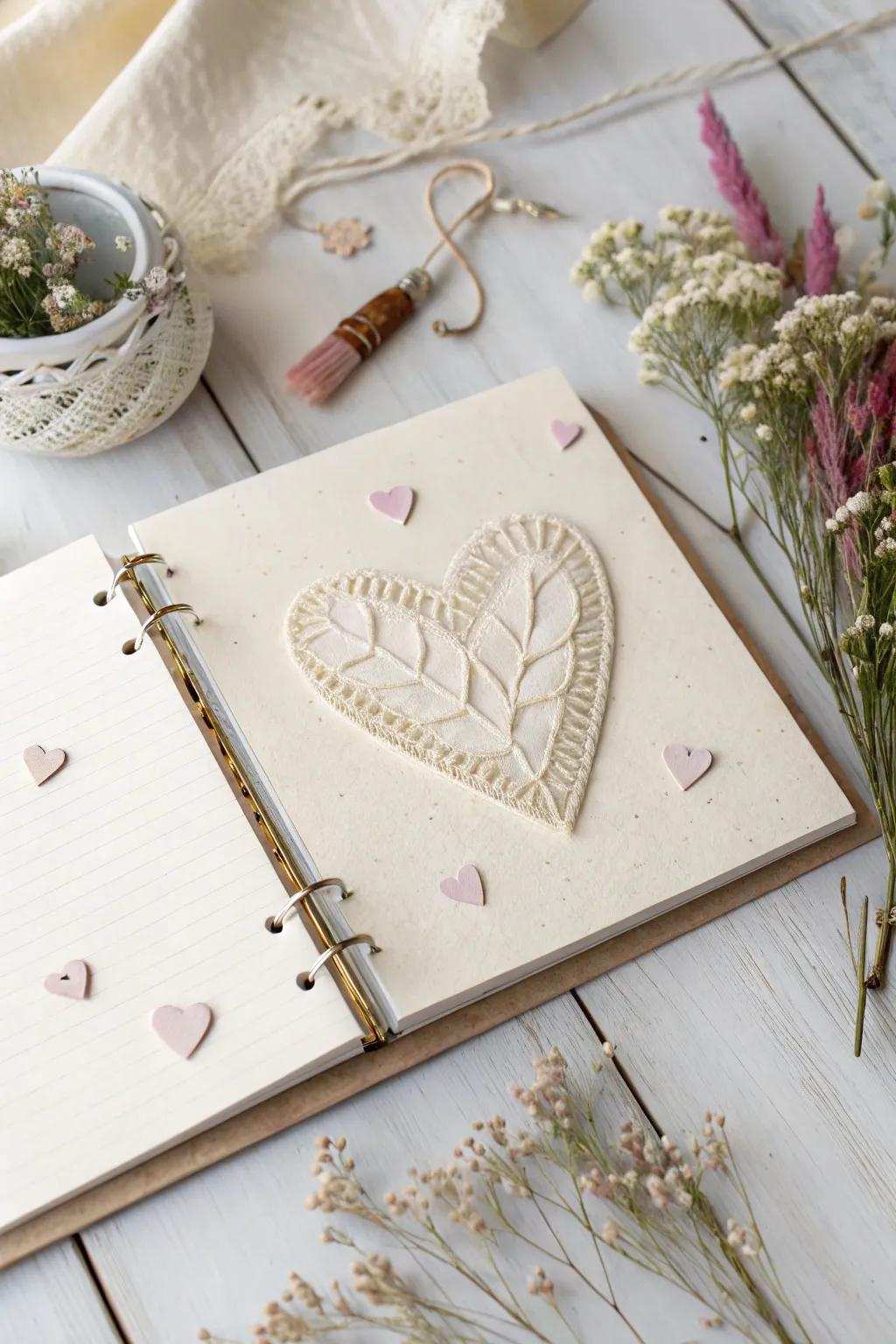
Using a single color scheme can create a sophisticated and elegant look, particularly when working with a variety of materials and textures. By sticking to shades of one color, photographers can maintain a sense of cohesion and focus in their visual narrative.
Include Handwritten Notes
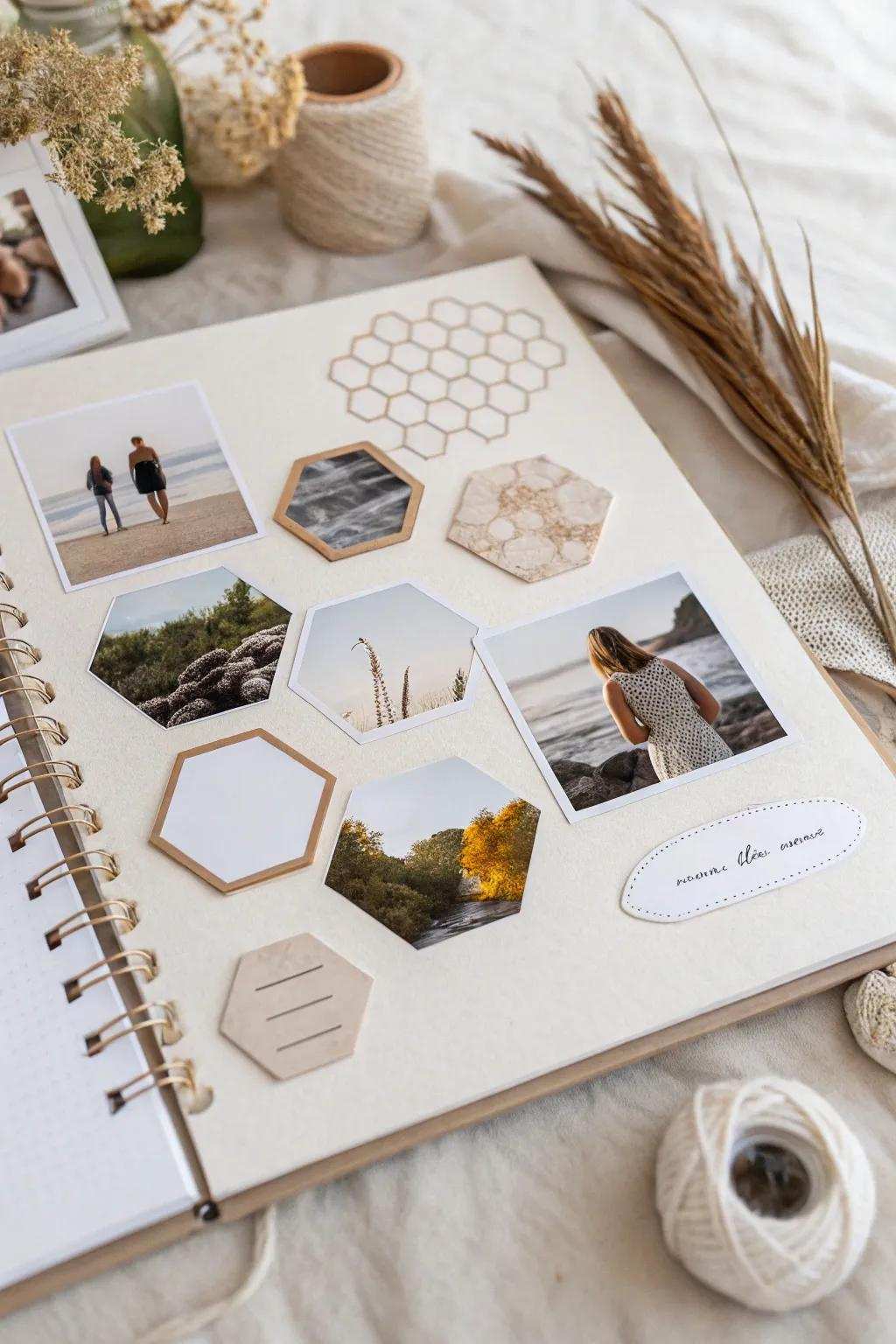
Handwritten notes and personal messages can add a warm and intimate touch to a design, making it more relatable and engaging. By incorporating handwritten notes, photographers can convey their emotions and thoughts more effectively, creating a stronger connection with their audience.
Add a Pop-Up Surprise
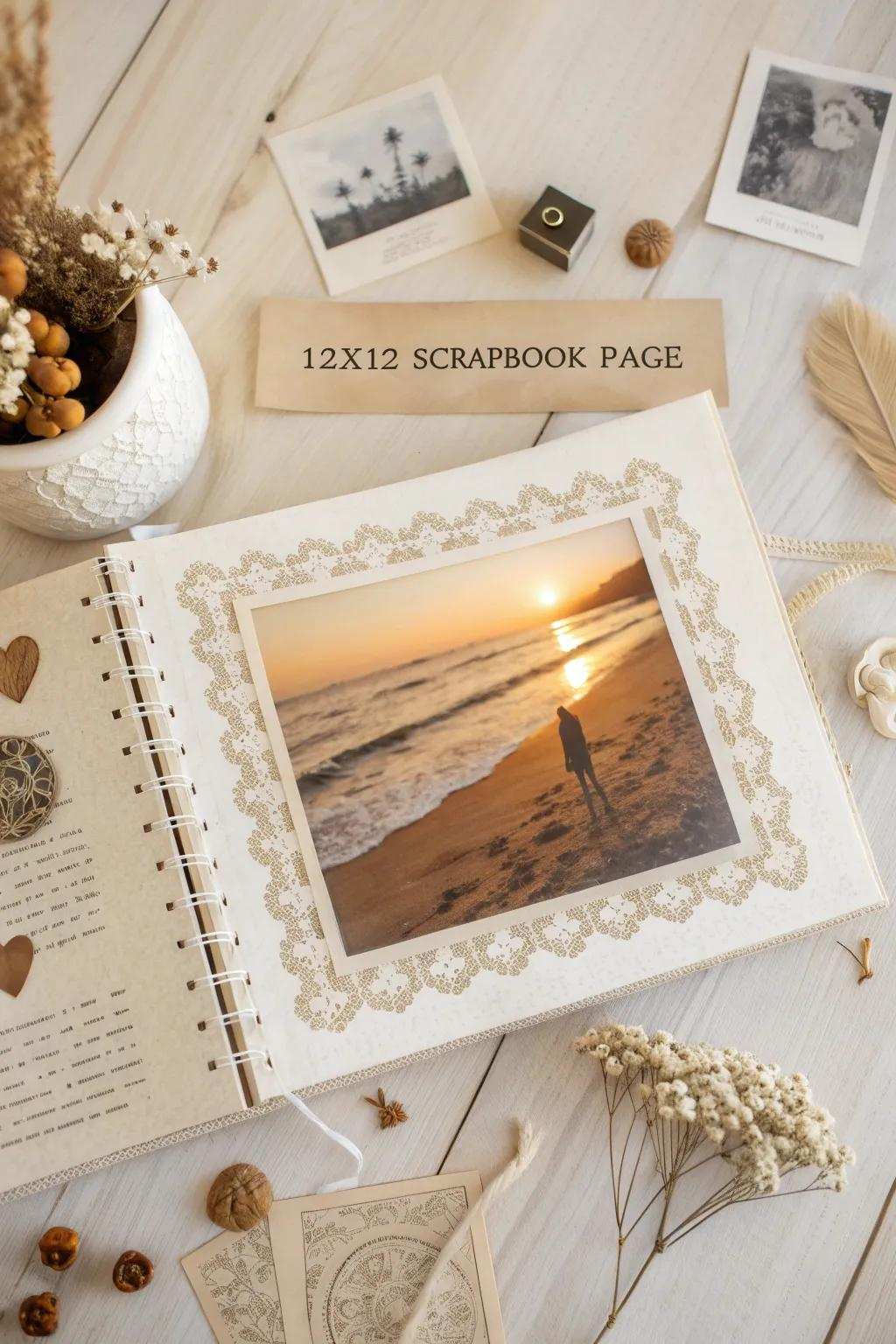
A pop-up item on a page can add a delightful surprise for viewers, making the design more engaging and interactive. By incorporating a pop-up element, photographers can create a sense of wonder and excitement, drawing their audience into the visual narrative.
Experiment with Shaped Photos
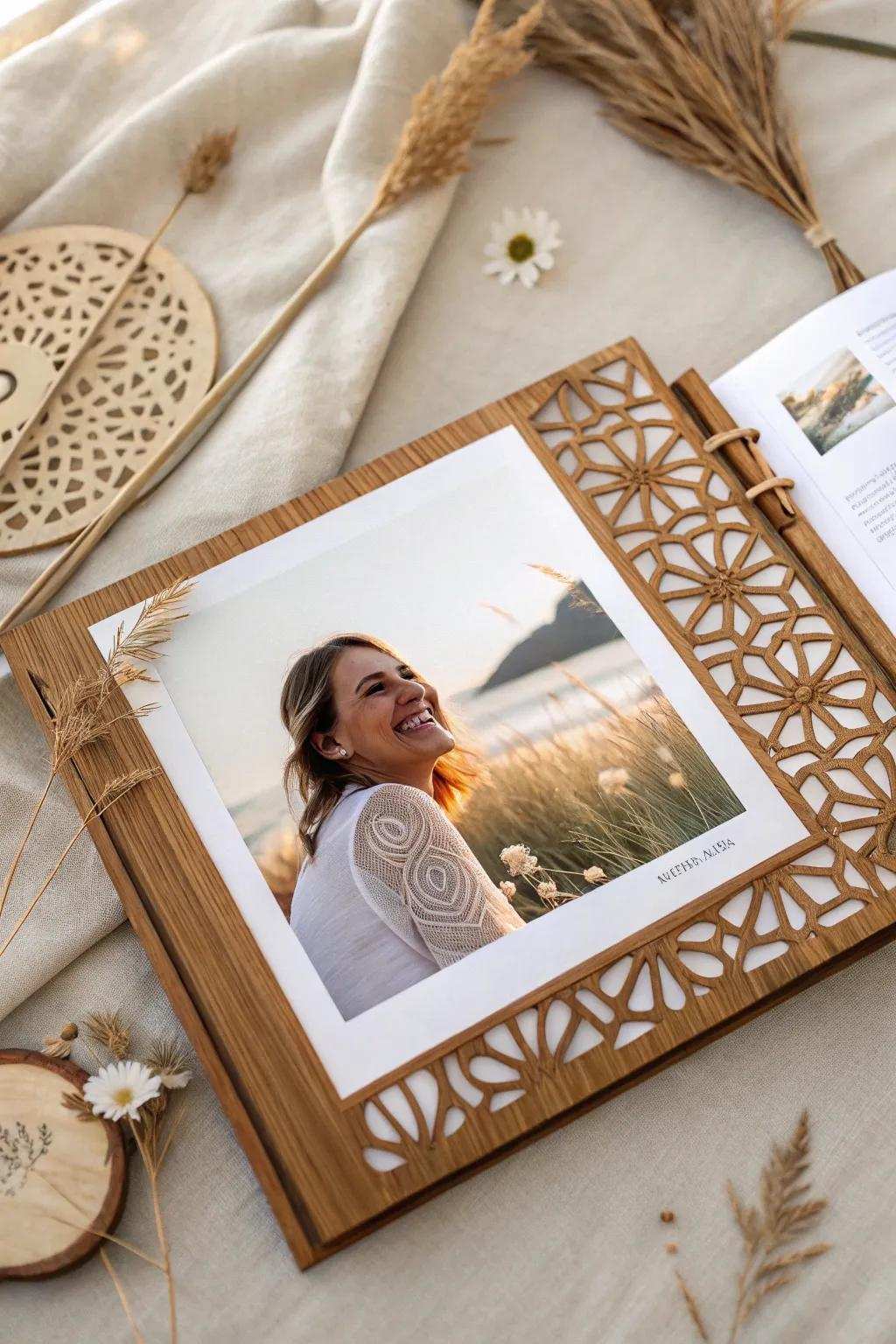
Using non-traditional photo shapes, such as circles or hexagons, can add a touch of creativity and visual interest to a design. By experimenting with different shapes and formats, photographers can create a more dynamic and engaging visual narrative.
Create a Classic Feel
Using vintage-inspired elements, such as lace and sepia-toned photos, can add a nostalgic charm to a design, creating a sense of timelessness and tradition. This aesthetic can evoke a sense of nostalgia and familiarity in viewers, making the design more relatable and engaging.
Create a Main Focus
By making one photo the main focus of a design, photographers can draw attention to a specific moment or memory. This can be achieved by using a larger photo, adding a special frame, or incorporating other visual elements to create a sense of emphasis.
Use Bold Colors
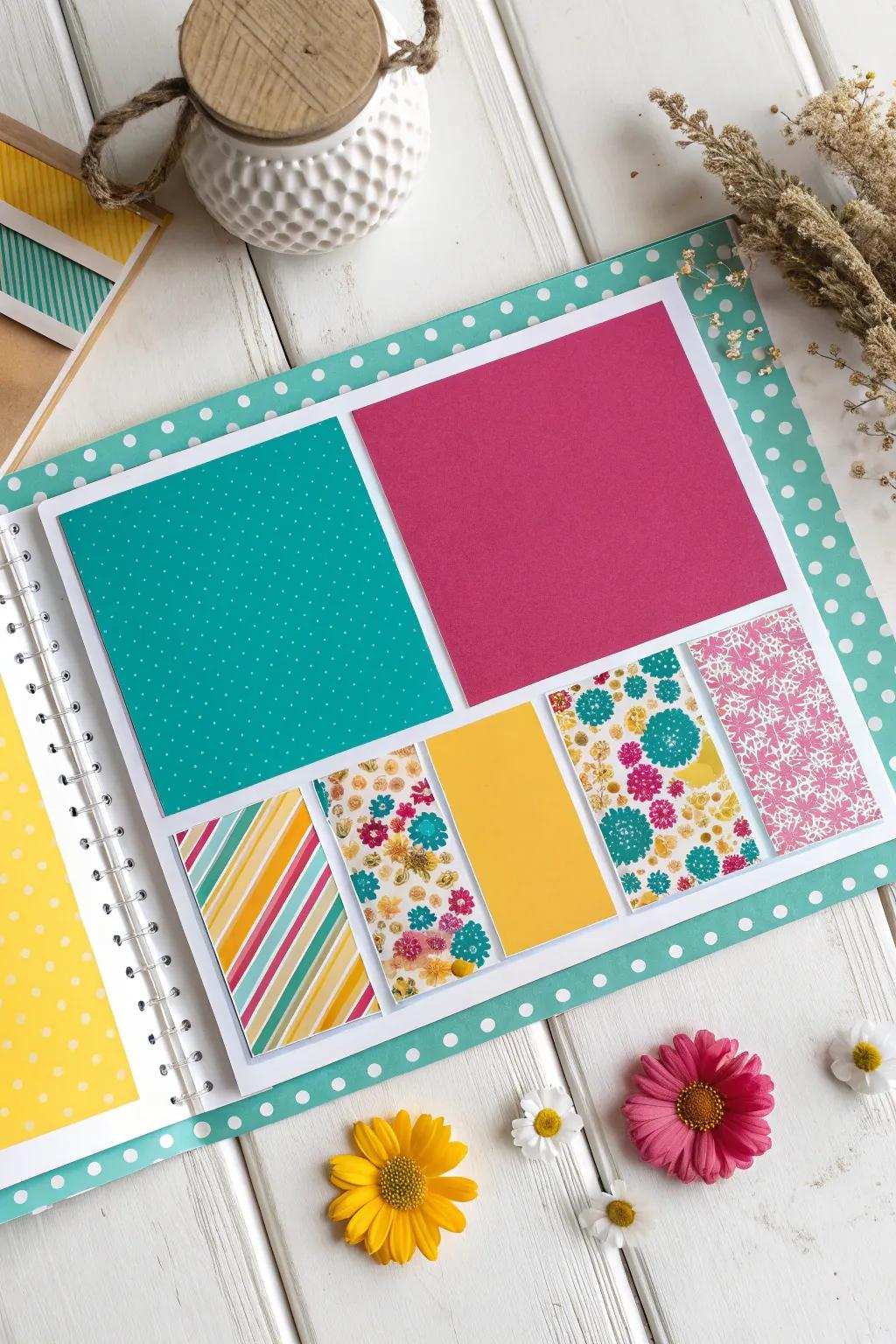
Bright and bold colors can add energy and vibrancy to a design, making it more engaging and attention-grabbing. By incorporating bold colors and patterns, photographers can create a lively and dynamic visual narrative that captures the viewer’s attention.
Include Different Shots
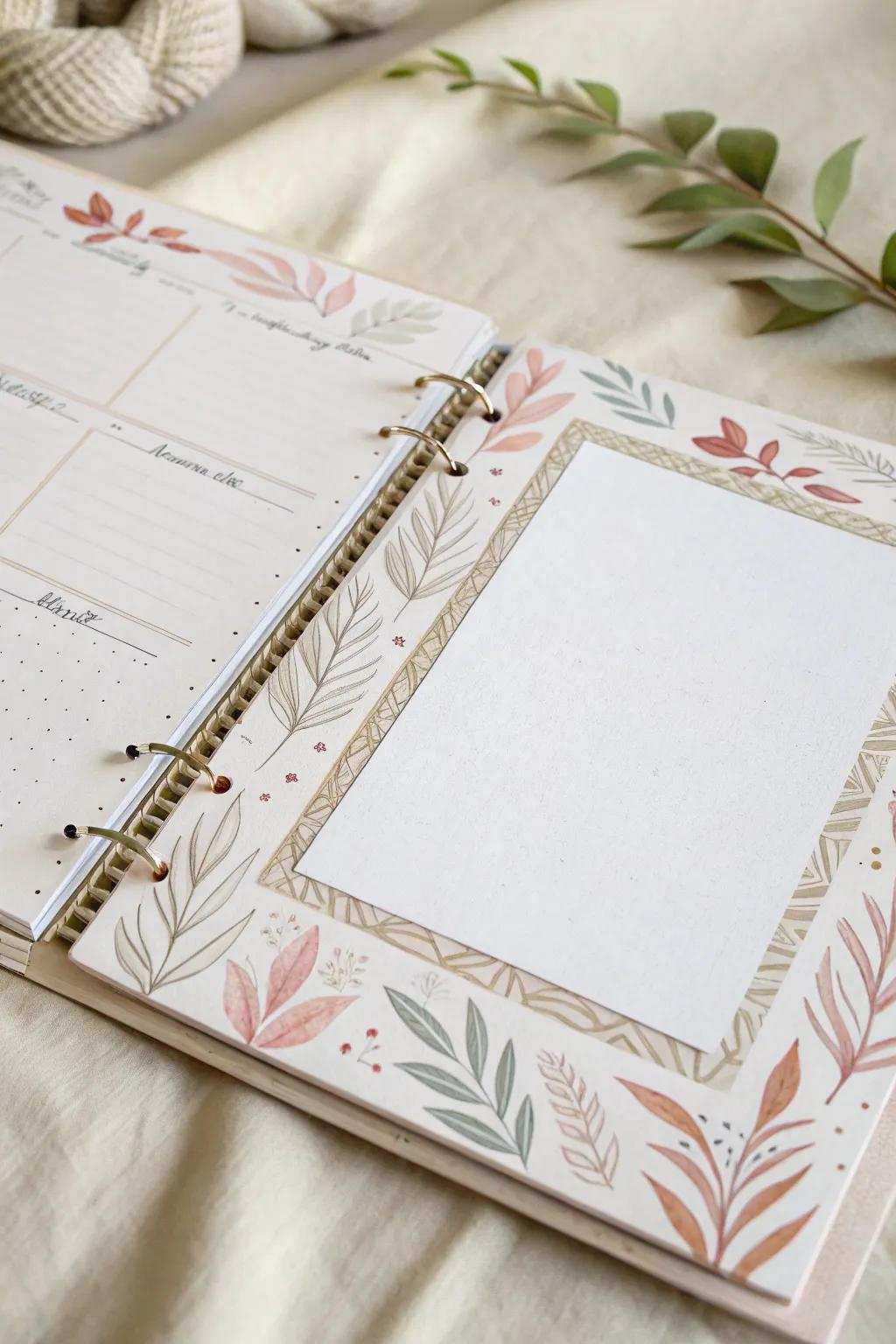
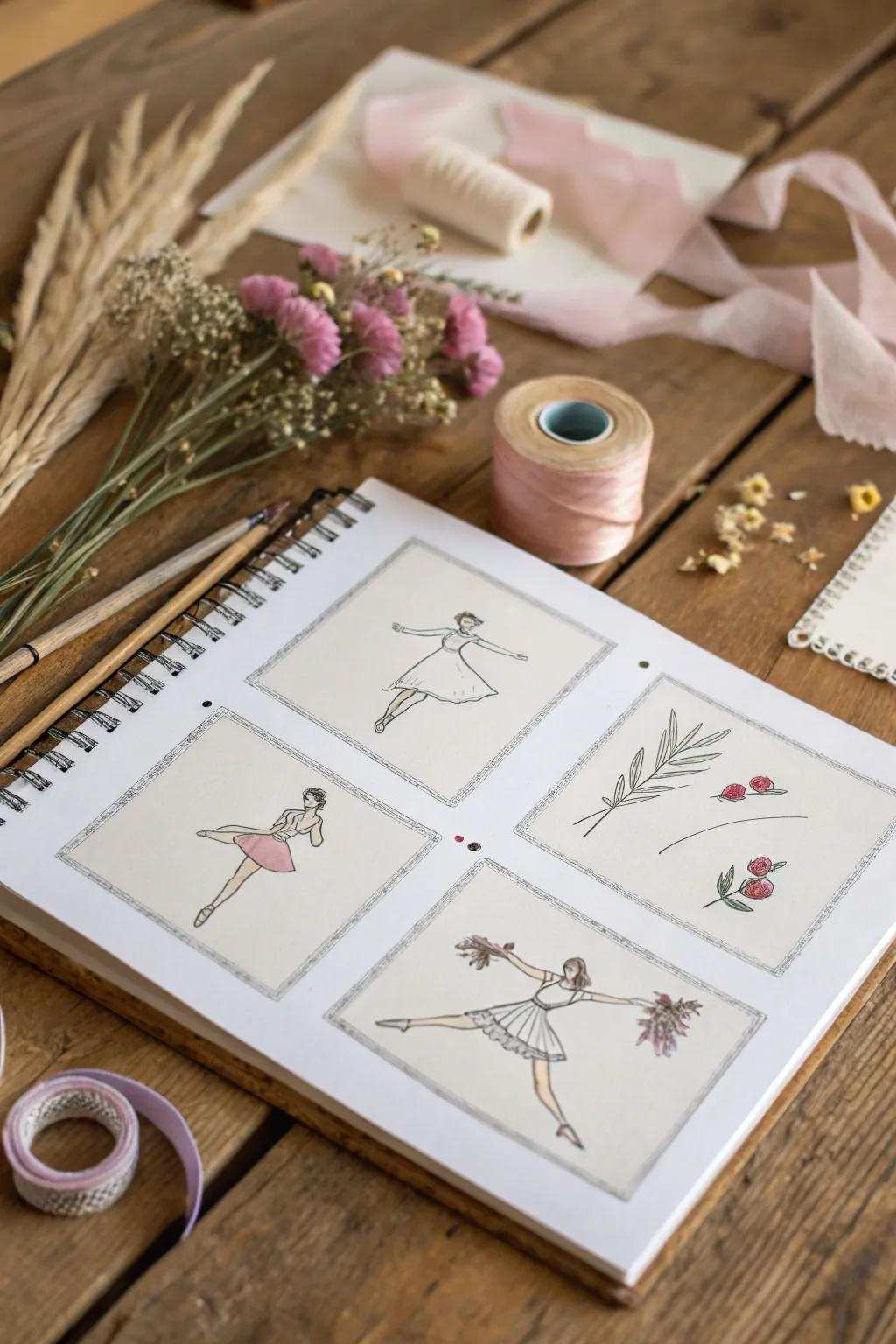
Capturing different shots within a design can help tell a more complete story, conveying the action, emotion, and movement of a moment. By incorporating a sequence of photos, photographers can create a more dynamic and engaging visual narrative that draws the viewer in.
Leave Space for Titles
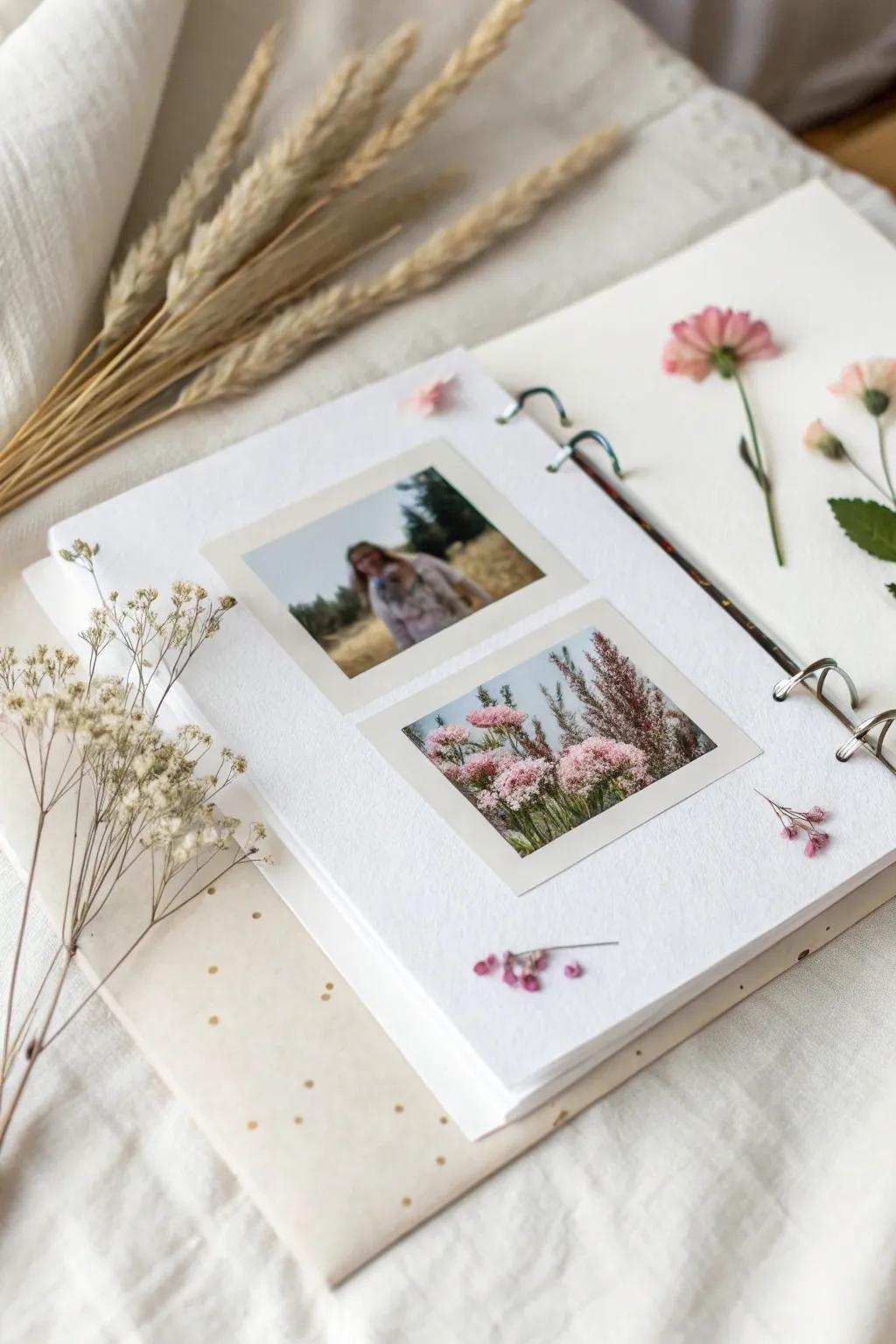
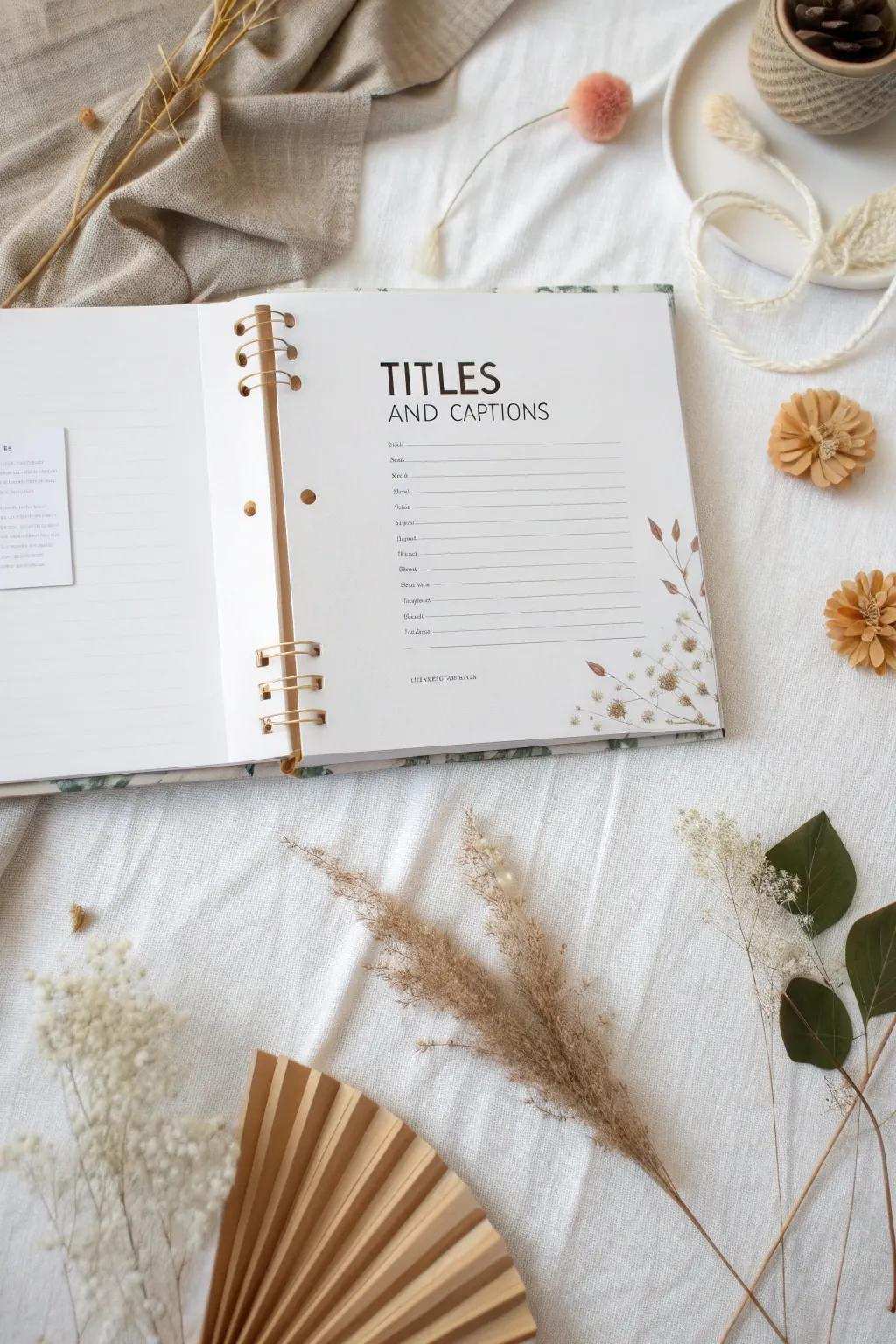
Providing a clear space for titles and captions is essential for effective visual storytelling, allowing photographers to convey their message and engage their audience. By incorporating bold lettering or fancy writing, photographers can make their titles stand out, creating a focal point for the design.
Enhance Visual Appeal with Decorative Elements
Enhancing the aesthetic of your photographs can be achieved by incorporating decorative borders that beautifully frame the images, drawing attention to the subject matter. Many photographers utilize decorative tape or hand-drawn edges to infuse a personal touch and create a unique visual identity.
Amplify Visual Impact with Overlapping Elements
By strategically overlapping photographs with other elements, such as flowers or foliage, you can draw the viewer’s eye to the focal point and create a sense of depth within the composition. This approach adds a dynamic layering effect to the layout, resulting in a visually appealing and engaging overall design.